
Last updated September 23, 2026
Free visual inspection and a written scope of work before any mitigation begins - photos, moisture readings, and drying logs go in your claim file
The scope we write is the scope we bill. Anything new gets shown to you, in writing, before we touch it.
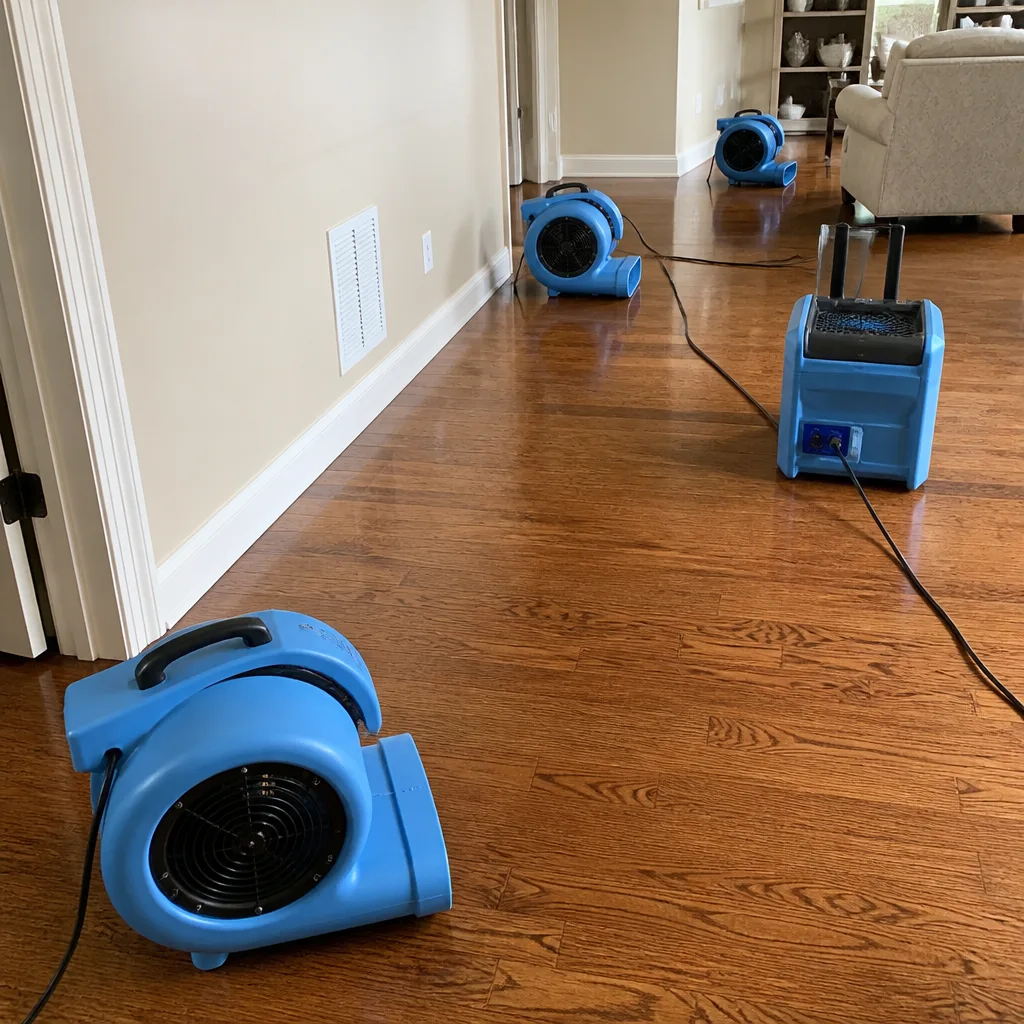
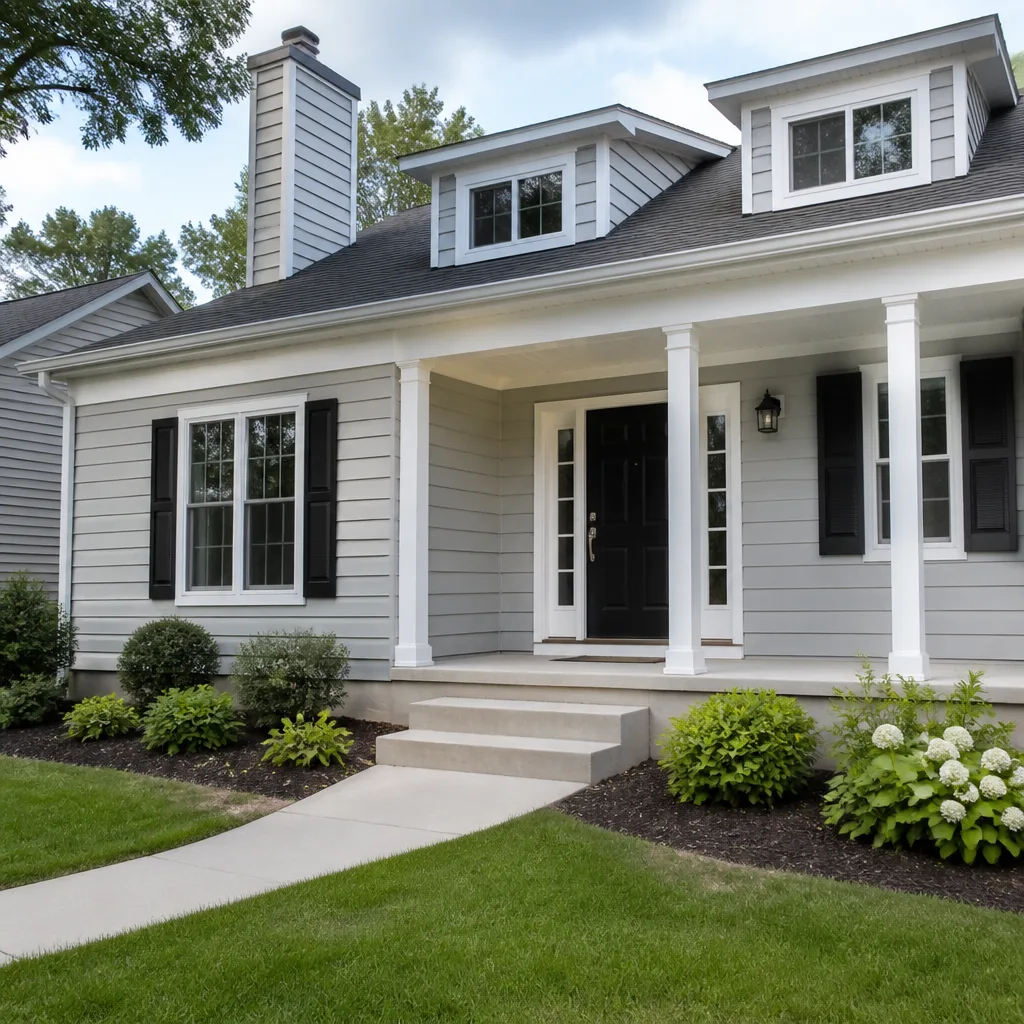
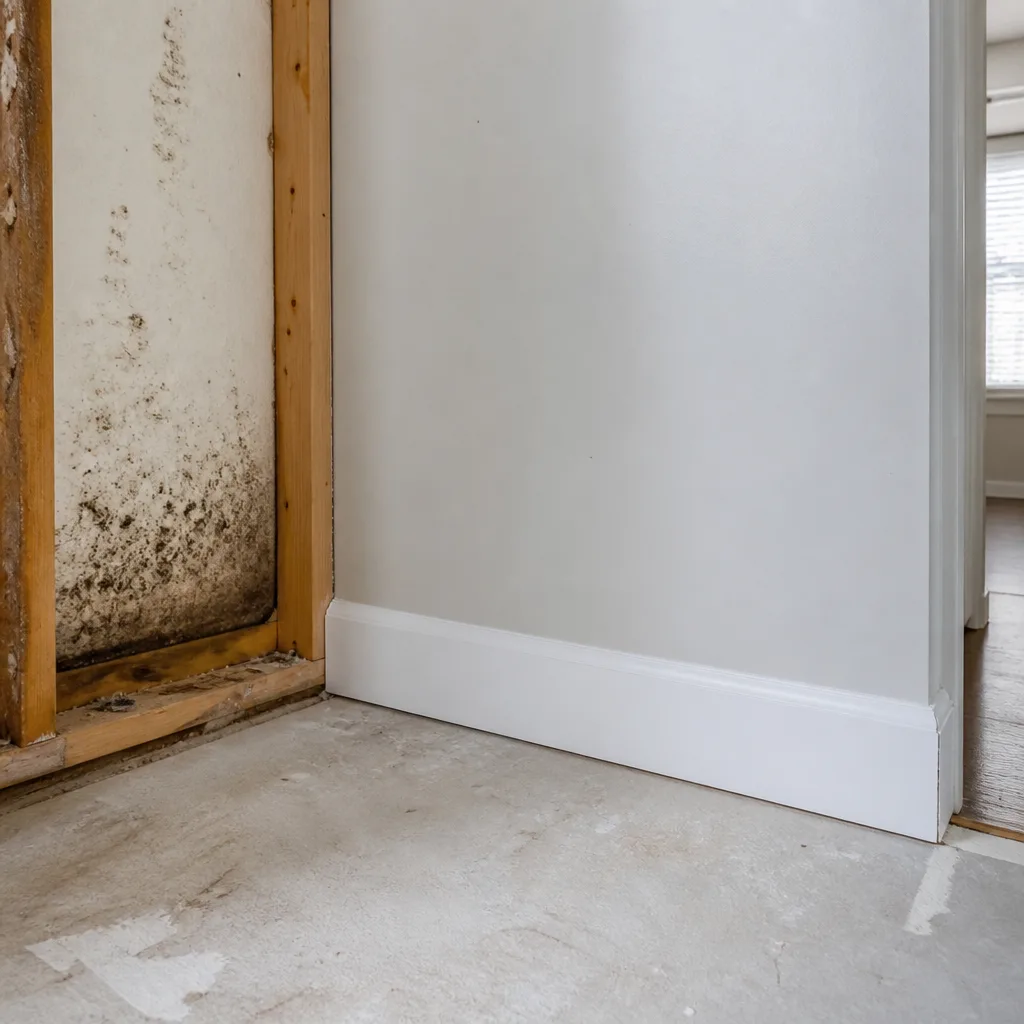

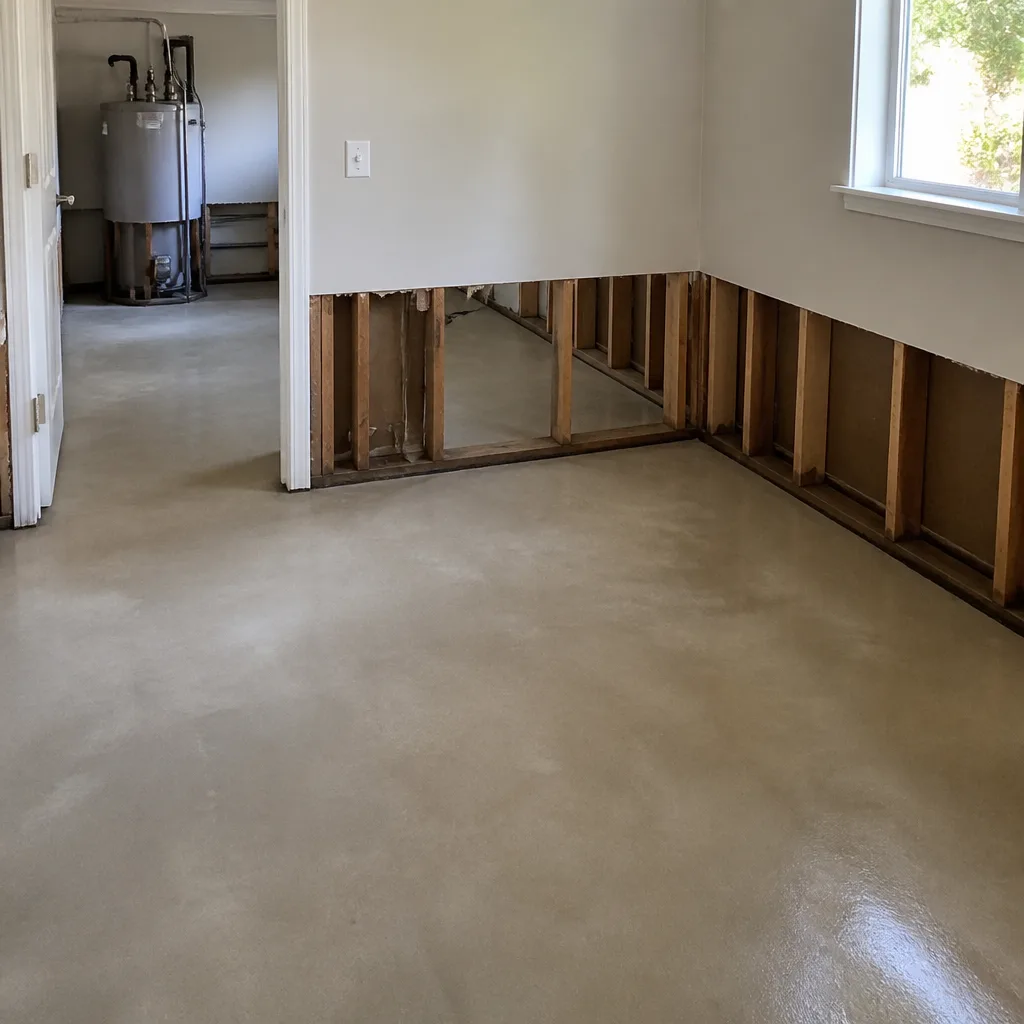

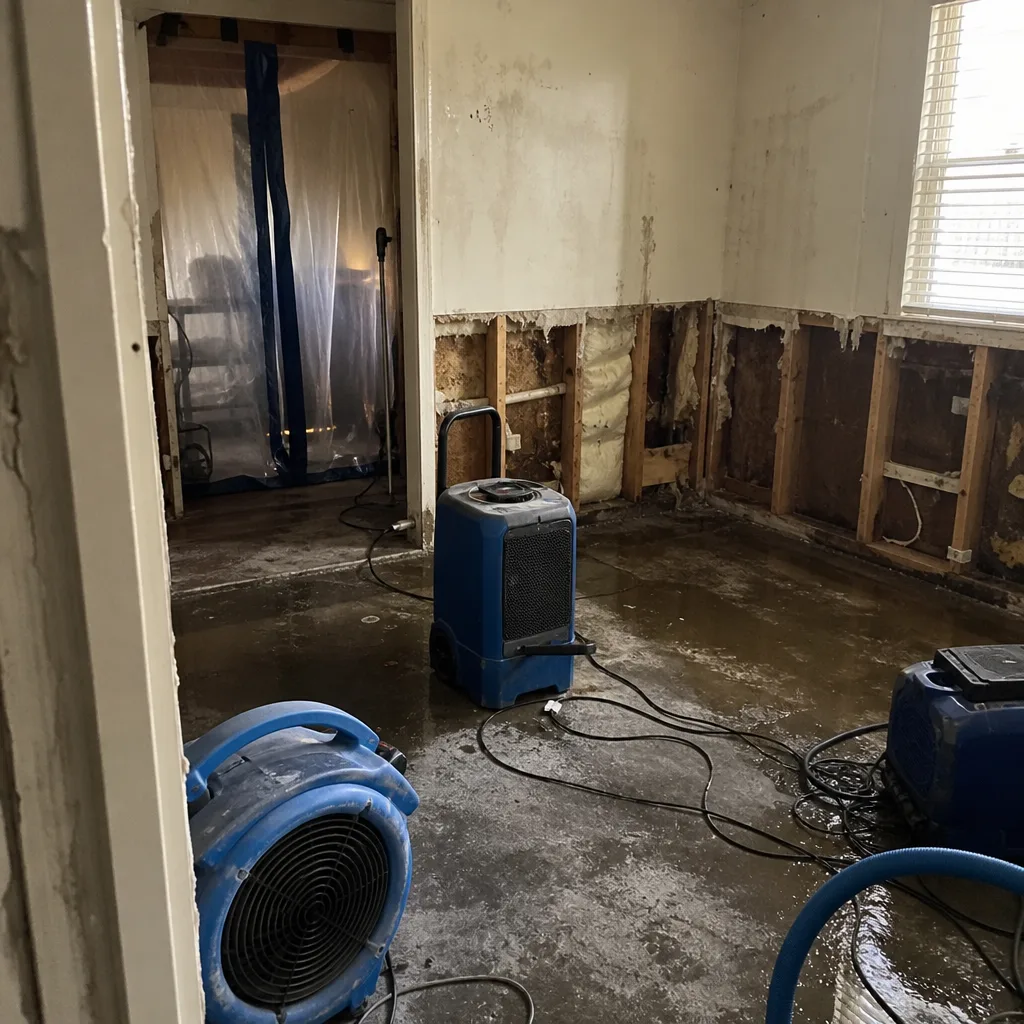 Before
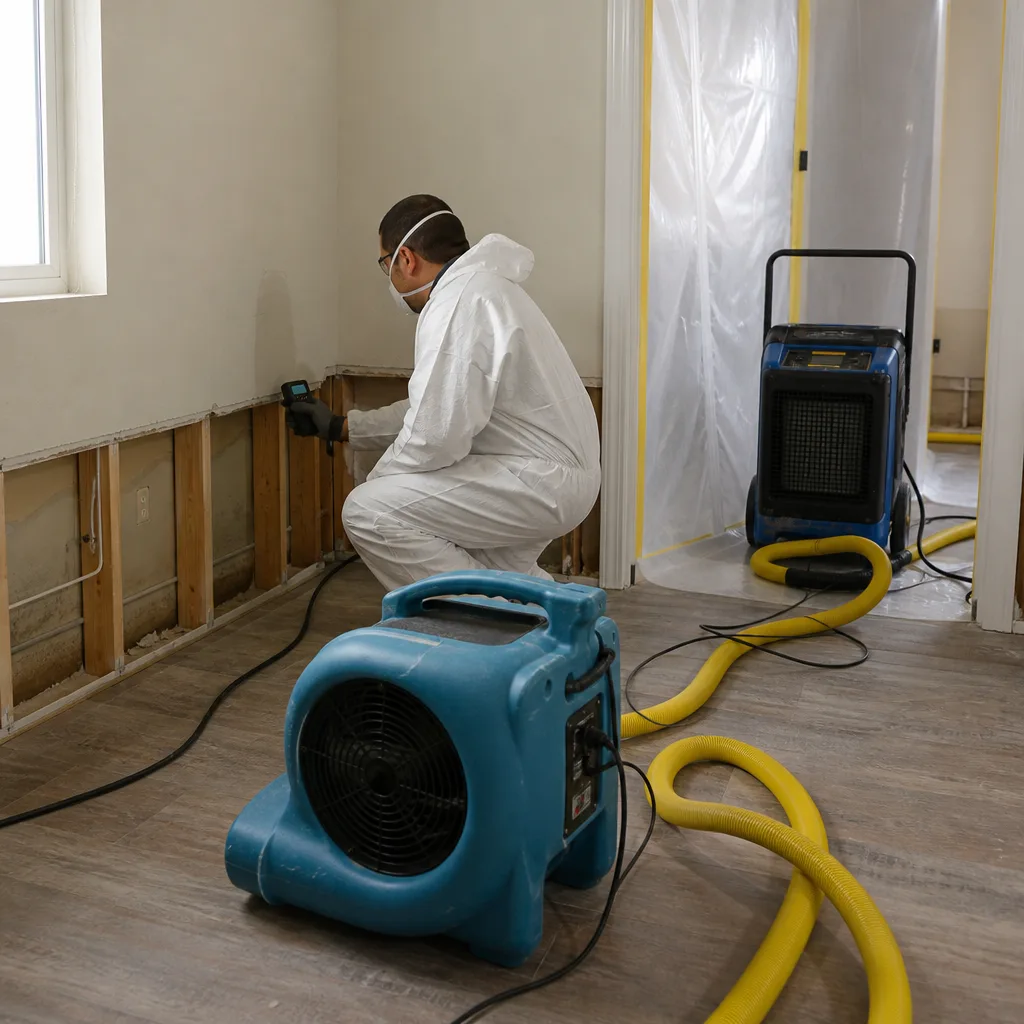 After
After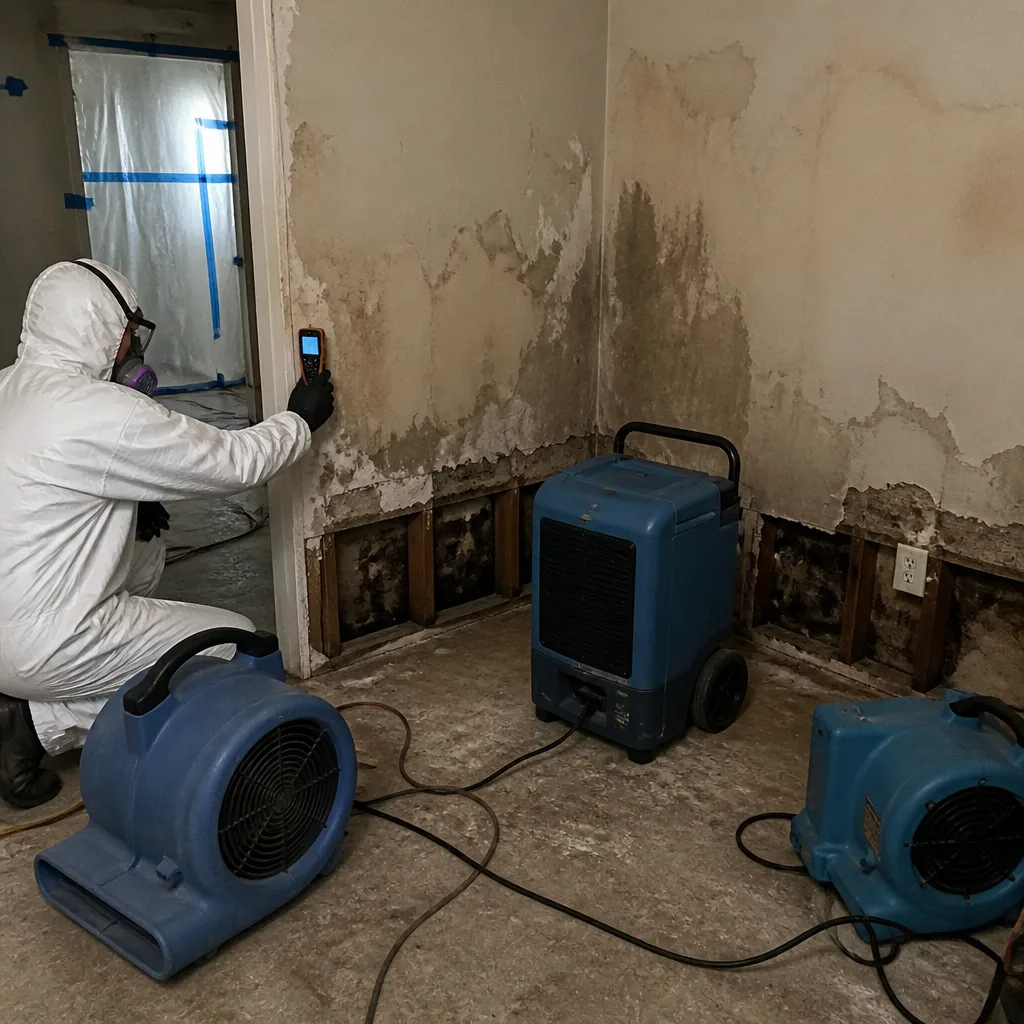 Before
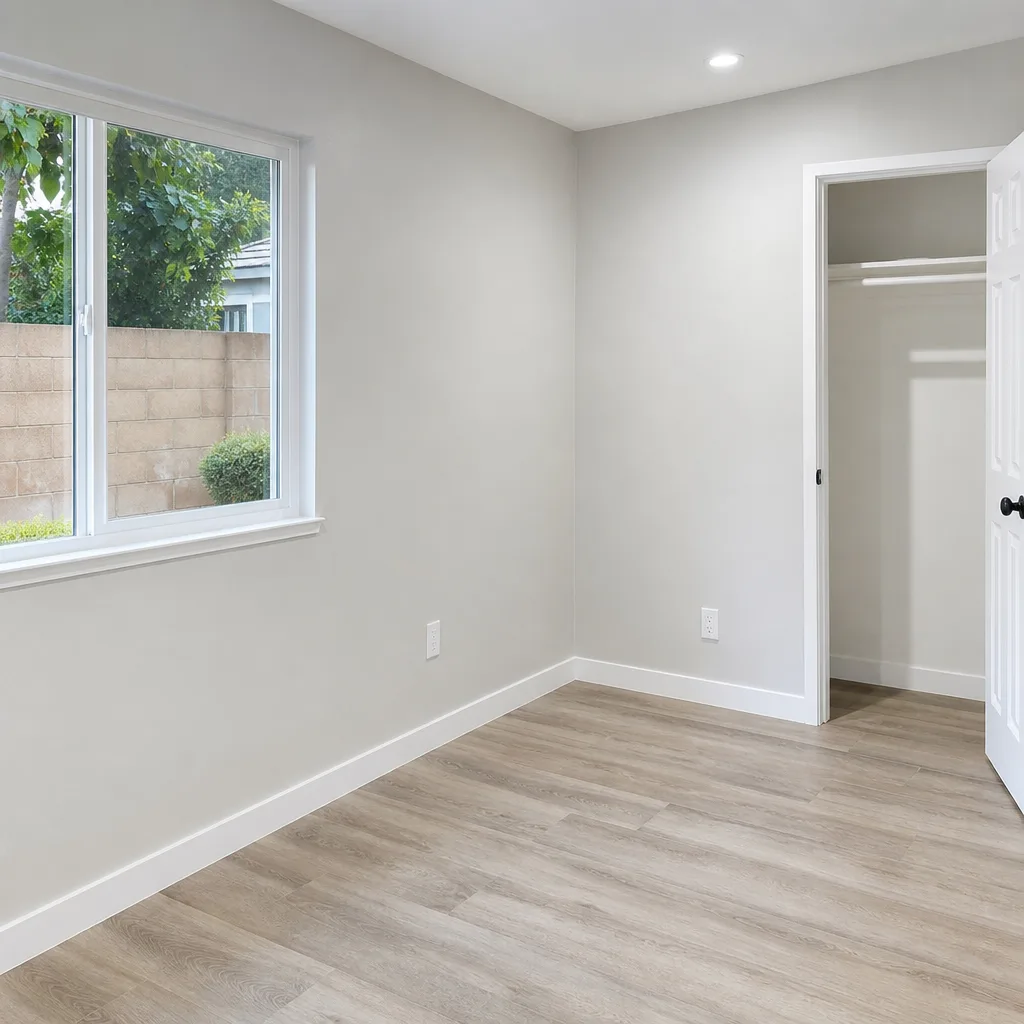 After
After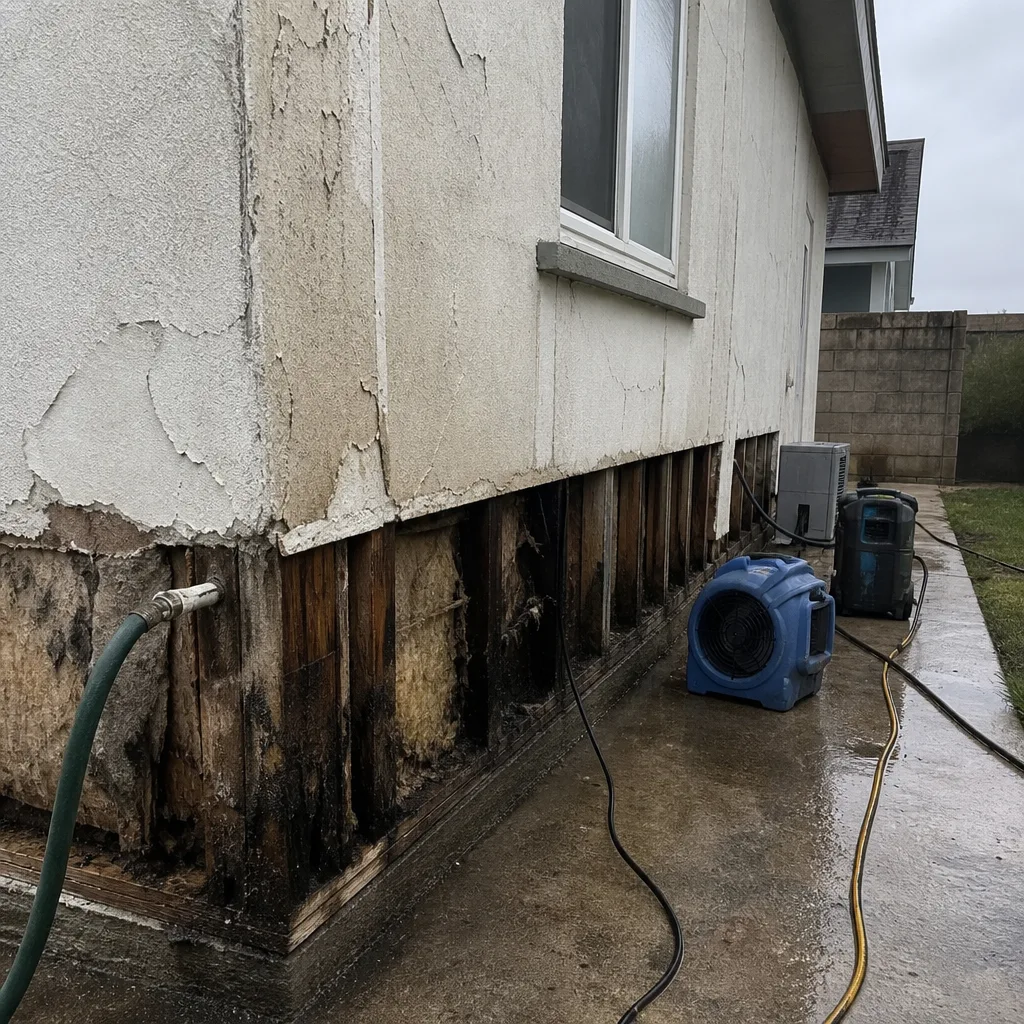 Before
 After
AfterDamage Restoration Warning Signs: A Santa Ana Homeowner’s Reference Guide
A musty odor in a Santa Ana home typically means mold colony growth is already 10-21 days old. By the time you can smell it, the remediation cost has often doubled compared to what early moisture detection would have triggered. In our experience across 12,000+ homes since 2011, the homeowners who save the most on restoration aren’t the ones who spot visible damage first. They’re the ones who know that a moisture reading of 16% in drywall is the threshold where preservation ends and demolition begins, and they catch it before the paint bubbles. This guide teaches you to read your home the way we read it on arrival: through measurable proxies, material-specific thresholds, and the early indicators that Santa Ana’s slab foundations and Mediterranean climate make uniquely urgent. For seasonal damage restoration care in Santa Ana: a year-round homeowner’s guide, see our companion resource.
Quick Answer
The critical warning signs of home damage in Santa Ana are measurable, not just visible: drywall moisture content above 16%, humidity differentials exceeding 10% between rooms, and surface changes like bubbling paint or soft spots that indicate trapped moisture behind the wall. For slab foundations, efflorescence on garage floors or stained grout joints signal sub-slab moisture migration that precedes structural damage by weeks. Catching these indicators early, before mold becomes detectable by smell, typically reduces remediation costs by 40-60% and preserves materials that late-stage detection would require demolishing.
Table of Contents
- Moisture Thresholds by Material: When Elevated Becomes Actionable
- Reading Surface Changes as Moisture Proxies
- Santa Ana Slab Foundation Warning Signs
- Spotting Category 2 and Category 3 Contamination
- How to Document Warning Signs for Maximum Claim Value
- Room-by-Room Inspection Checklist
- How Santa Ana’s Climate Accelerates Hidden Damage
- Common Mistakes to Avoid
- When to Call a Professional
- Frequently Asked Questions
BeforeAfterMoisture Thresholds by Material: When Elevated Becomes Actionable
Every material in your home has a documented moisture content (MC) range where it performs as designed, and a specific percentage where microbial growth becomes statistically likely. We use these thresholds on every job to decide whether drying can preserve the material or whether removal is the only IICRC-compliant path.
Drywall (gypsum wallboard): Normal equilibrium moisture content in Santa Ana’s inland climate runs 8-12%. At 16% MC, per IICRC S500 standards, drywall enters the “elevated” classification. Between 16% and 20%, we can often dry it in place using directed airflow and dehumidification. Above 20%, the paper facing becomes a nutrient source for mold, and demolition is typically required. We’ve seen Santa Ana homeowners in the Morrison Park area save entire walls by catching readings at 17% and calling before the weekend passed.
Wood framing (studs, sill plates): Softwood lumber in Southern California homes typically equilibrates at 10-14% MC. The actionable threshold is 20%. Below that, we deploy Injectidry systems with wall cavity drying tubes to pull moisture from enclosed spaces without opening the wall. Above 20%, structural integrity concerns and fungal growth potential make replacement the standard recommendation. In our work near Santiago Park, we’ve documented studs at 24% MC that appeared completely dry from the exterior because the moisture was trapped behind intact paint.
Concrete slab: This is where Santa Ana homeowners face a unique challenge. Concrete itself can hold elevated moisture indefinitely without visible damage, but the materials above it cannot. We measure slab relative humidity (RH) per ASTM F2170, with 75% RH as the flooring manufacturer’s typical maximum for installation. Readings above 80% RH indicate active moisture migration that will eventually compromise adhesives, warp engineered wood, or trigger mold in carpet padding. The warning sign most homeowners miss: a garage floor that stays damp-looking days after rain, or a patio slab with persistent dark patches.
Subfloor materials: OSB and plywood subfloors hit the actionable range at 18% MC. In Santa Ana’s older homes near downtown, we’ve found original redwood subfloors that tolerate slightly higher readings due to natural decay resistance, but the modern OSB used in post-1990 construction fails quickly. A soft, springy feel under tile or laminate is often the first detectable proxy for subfloor moisture above 20%.
The tool that makes these readings possible is a pin-type moisture meter, available for under $60 at hardware stores. We recommend homeowners in high-risk areas, particularly those near the Santa Ana River corridor with its elevated water table, keep one accessible. Take baseline readings in known-dry areas of your home now, before any incident, so you have comparison data when something changes.
Reading Surface Changes as Moisture Proxies
Most homeowners don’t own moisture meters. Until you do, your walls and surfaces are telling you what a meter would confirm, if you know how to read the language.
Bubbling paint: Latex paint forms a vapor barrier as it cures. When moisture accumulates behind it, the paint film detaches from the substrate and fills with water vapor. Small bubbles, under ¼ inch, typically indicate localized moisture in the 18-22% range in the substrate behind. Large bubbles or continuous blistering, especially if the paint feels cool to the touch, suggest readings above 25% and active water intrusion. The bubble’s location matters: bubbles near the baseboard almost always indicate slab or plumbing line issues in Santa Ana’s slab-on-grade construction.
Sheen changes: Flat paint that develops satin-like patches, or satin paint that turns glossy, is showing surfactant leaching. This occurs when moisture carries water-soluble compounds from the paint film to the surface. It’s not just cosmetic; it’s evidence that moisture has cycled through that wall section multiple times. In Santa Ana’s heat, these patches may dry and disappear by afternoon, then return with evening humidity. That cycling is accelerating material degradation.
Soft spots: Press firmly on drywall with your palm. A sound surface feels solid and returns immediately. A soft spot has give, sometimes with a slight crunch from degraded gypsum core. Soft spots correspond to moisture content above 22% in the affected area. Map the boundaries with a pencil; expansion of that map over 48 hours indicates active, ongoing intrusion rather than a single past event.
Crown molding and baseboard separation: Wood trim swells as it absorbs moisture, then shrinks as it dries. Repeated cycles cause nails to back out and joints to open. A gap appearing between crown molding and the ceiling, or baseboard pulling from the wall, often means the framing behind has cycled through moisture events while the visible wall appeared normal. We’ve documented this in Santa Ana’s Floral Park neighborhood, where 1950s-era plaster-over-wire-lath construction hides moisture movement that would be visible earlier in modern drywall homes.
Tile grout changes: In bathrooms and kitchens, grout that darkens permanently or develops a powdery surface indicates efflorescence from moisture moving through the assembly. The darkening is often organic growth in the grout pores; the powder is mineral salts deposited as water evaporates. Both mean the waterproofing membrane has failed or was never present, and the substrate is wet.
Santa Ana Slab Foundation Warning Signs
Santa Ana’s housing stock is overwhelmingly slab-on-grade, built on soils that range from sandy loam near the river to expansive clay in the hills. This construction method creates specific vulnerability patterns that homeowners in other regions rarely encounter.
Efflorescence patterns: The white, crystalline deposit that appears on concrete surfaces is calcium carbonate and other salts carried by moisture moving through the slab’s capillary structure. In Santa Ana, we see two distinct patterns. “Ponding efflorescence” forms irregular, map-like patches where moisture is migrating up through random cracks or pour joints. “Linear efflorescence” follows control joints or the perimeter where slab meets foundation wall, indicating systematic hydrostatic pressure or perimeter drainage failure. Linear patterns are more structurally concerning; they suggest ongoing pressure rather than a single moisture event.
Grout joint staining: In homes with tile directly bonded to slab, watch for grout that turns dark at the perimeter of rooms first, then progresses inward. This pattern indicates sub-slab moisture is entering at the edges, where the slab is most exposed to exterior moisture conditions. In the Delhi neighborhood and other areas with older landscaping and irrigation systems, we’ve traced this pattern to broken lateral lines that saturate soil against the foundation.
Floor covering failures: Vinyl plank that bubbles, laminate that cups at the edges, or carpet with persistent dampness at the tack strip all indicate slab moisture above the flooring’s tolerance. These failures often appear first in north-facing rooms or areas with minimal HVAC airflow, where evaporation is slowest. The moisture reading may be identical to a south-facing room, but the symptoms appear where drying is inhibited.
Threshold elevation changes: A door that suddenly sticks, or a threshold that feels raised underfoot, can indicate slab heave from expansive soil wetting. Santa Ana’s clay soils, particularly in the foothill areas, can lift a slab edge by ½ inch or more during a single wet season. This is structural movement, not just moisture damage, and it requires both restoration and engineering evaluation.
For slab homes built before 1980, we recommend annual inspection of the garage floor, typically the largest exposed concrete surface. Seal any cracks with polyurethane sealant, then monitor for new efflorescence on the sealed surface. New deposits mean active moisture movement that bypassed your seal.
Spotting Category 2 and Category 3 Contamination
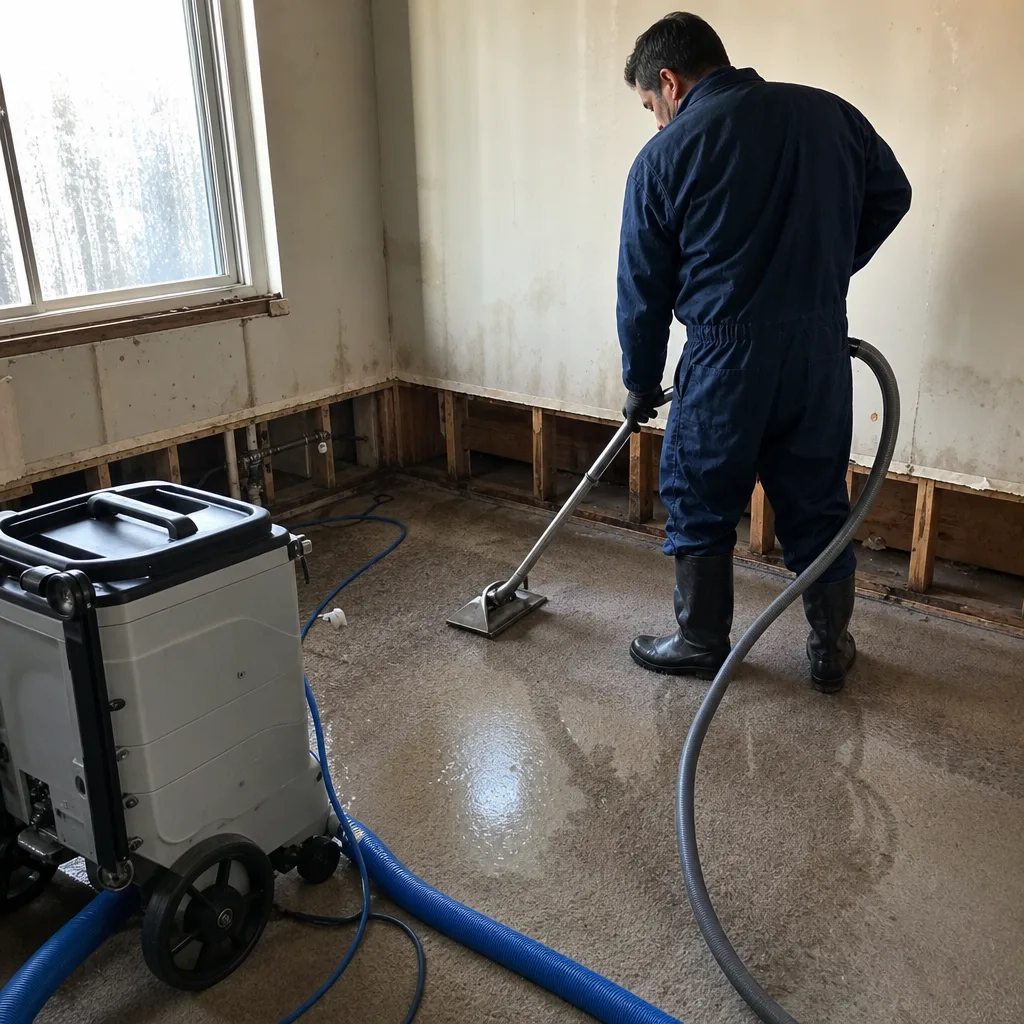
Not all water damage is equal in restoration terms. IICRC S500 defines three categories of water that determine safety protocols, disposal requirements, and whether materials can be salvaged. Homeowners who can identify contamination category before calling get faster, more accurate response. If you’re weighing whether to handle cleanup yourself, read our DIY vs Professional Damage Restoration: The Santa Ana Homeowner’s Decision Guide first.
Category 1 (Clean Water): Originates from a sanitary source. Broken supply lines, sink overflows with no contaminants, melting ice, or rainwater intrusion. Category 1 can become Category 2 or 3 if it contacts contaminated surfaces or sits for more than 24-48 hours. In Santa Ana’s summer heat, that timeline compresses; microbial amplification begins sooner above 80°F.
Category 2 (Gray Water): Contains significant contamination and has potential to cause discomfort or sickness. Sources include dishwasher discharge, washing machine overflow, toilet overflow with urine but no feces, and sump pump failures. The warning sign homeowners miss: water that came from “clean” source but passed through a contaminated area. A supply line break in a crawlspace that floods across soil and rodent droppings before entering the living space is Category 2, regardless of the pipe’s contents.
Category 3 (Black Water): Grossly contaminated, including pathogenic or toxigenic agents. Sewage backup, flooding from rivers or seawater, and water from Category 2 sources that has sat long enough for microbial amplification. In Santa Ana, Category 3 events often involve:
- Toilet overflows with fecal matter, particularly on upper floors where contamination travels through wall cavities to floors below
- HVAC condensate pan overflows that have harbored Legionella or other pathogens in the stagnant water
- Any water intrusion that includes soil from landscaping treated with fertilizers or pesticides, common in the city’s older neighborhoods with mature gardens
- Water that has contacted the slab in homes with known rodent activity in crawlspaces or wall voids
How to identify category from warning signs:
- Odor: Category 1 is odorless or smells like the source (chlorine from supply lines, for example). Category 2 has a musty, organic, or slightly sour smell. Category 3 smells distinctly of sewage, decay, or sharp ammonia.
- Color: Category 1 is clear to slightly cloudy. Category 2 is gray to dark gray, sometimes with visible particles. Category 3 is brown, black, or contains visible solids.
- Source proximity: Water appearing below a bathroom, especially near the toilet flange, is Category 2 or 3 until proven otherwise. Water below a kitchen sink is Category 2 if the dishwasher drain is involved. Water entering from exterior at grade level during rain is Category 1 initially, but becomes Category 3 if it backflowed from a compromised sewer lateral.
- Time factor: Any water that sat for more than 48 hours in Santa Ana’s climate, or 24 hours in summer, should be treated as at least Category 2 regardless of source.
The documentation standard changes by category. Category 1 drying logs record moisture readings and equipment placement. Category 2 and 3 jobs require antimicrobial application records, disposal manifests for contaminated materials, and post-remediation verification sampling. We document all of this to IICRC, RIA, and IFA standards, with photo records on every visit, because insurers scrutinize Category 2 and 3 invoices more closely and deny claims where documentation is incomplete.
How to Document Warning Signs for Maximum Claim Value
A documented warning sign is a payable claim. An undocumented one is a negotiation. After 12,000+ homes, we’ve learned that the photos a homeowner takes before we arrive often determine whether the adjuster approves full scope or demands depreciation.
Step 1: Establish scale and location. Every photo needs a reference object. A ruler or coin for small damage, a yardstick for larger areas, or your hand for context. Include a piece of paper with the date, room name, and your initials in the frame. Smartphone date stamps are useful but can be disputed; a physical note in the image is harder to challenge.
Step 2: Shoot the progression, not just the damage. For water stains or moisture marks, photograph:
- The widest view showing the damage in room context
- A medium shot showing the damage relative to fixed features (baseboard height, outlet location, window frame)
- A close-up of the most affected area with scale reference
- The suspected source area (the window above, the pipe chase, the exterior grade)
- Any collateral damage: warped flooring, swollen trim, affected contents
Step 3: Record environmental conditions. Note the temperature, relative humidity if you have a meter, and whether HVAC was running. In Santa Ana’s dry summer heat, an adjuster may argue that conditions were favorable for rapid drying; your note that the HVAC was off for 72 hours during a vacation establishes why moisture persisted.
Step 4: Written narrative. For each photo set, write one paragraph: date first noticed, changes observed since, any actions taken (towels, fans, plumber called), and current status. Email this to yourself with the photos attached, creating a contemporaneous record with timestamp.
Step 5: Preserve physical evidence. If a pipe fitting failed, save it. If a washing machine hose burst, photograph the model and part number before disposal. Insurers sometimes pursue subrogation against manufacturers, and your preserved evidence may support your claim if liability is disputed.
When DryMark Restoration Santa Ana arrives, we supplement your documentation with our own photo record, moisture mapping, and written scope. Our DryMark Restoration Santa Ana home process includes delivering that documentation to you and your adjuster as a standard deliverable, not an upsell. The combination of your early documentation and our professional record creates the evidence package that turns restoration invoices into payable claims.
Room-by-Room Inspection Checklist
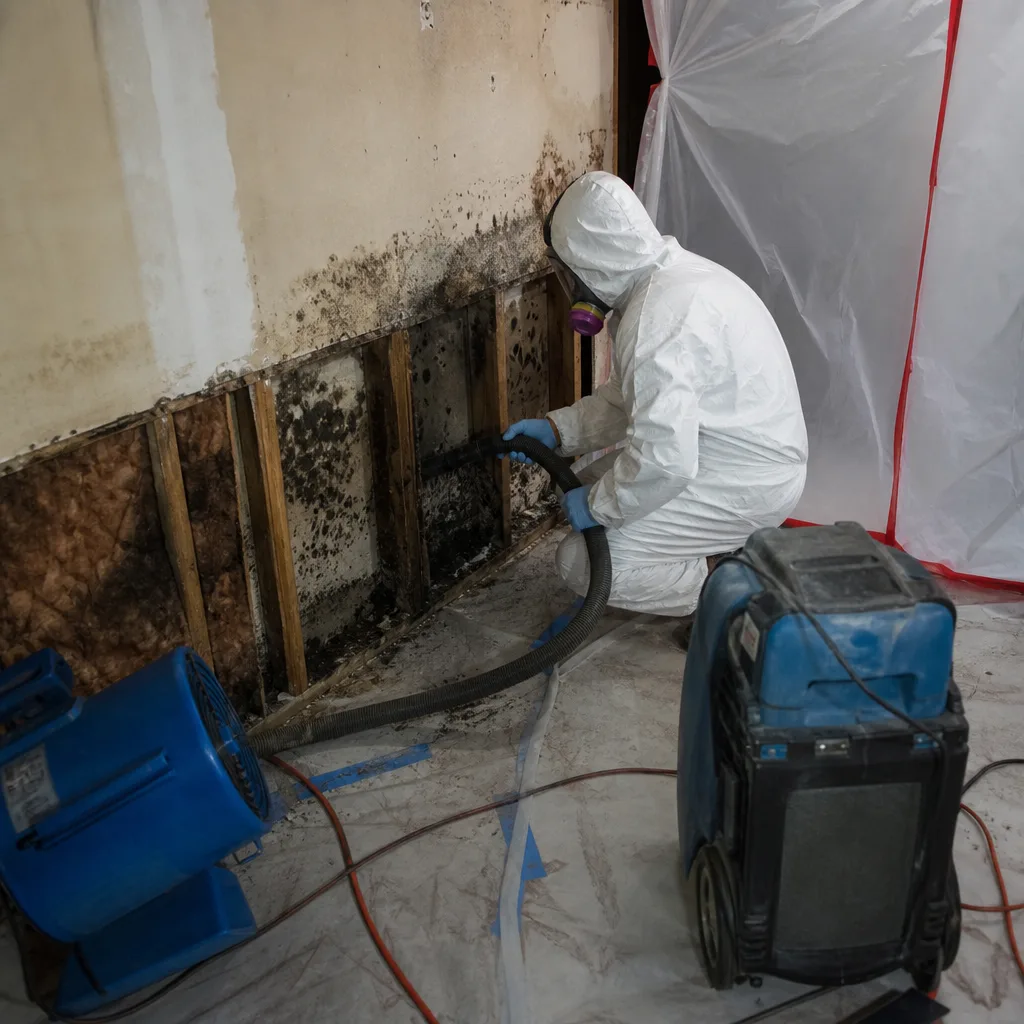
Systematic inspection catches what casual observation misses. We recommend Santa Ana homeowners complete this checklist seasonally, in spring after the rainy period and in fall before winter storms. For help selecting qualified help, see How to Hire a Damage Restoration Contractor in Santa Ana: A Step-by-Step Guide.
Kitchen:
- Under-sink cabinet: press on the cabinet floor near the back wall. Softness indicates past or active supply line or drain leak.
- Dishwasher: check for water stains or mineral deposits on the adjacent cabinet base, especially on the hinge side where the supply line enters.
- Refrigerator: pull forward and inspect the copper or plastic supply line for kinking, and the floor beneath for staining from the icemaker valve.
- Range hood: verify that exhaust duct is intact to exterior, not terminated in attic space where moisture accumulates.
Bathrooms:
- Toilet base: rock the bowl gently. Movement indicates wax ring failure; staining at the base confirms it.
- Shower/tub surround: grout integrity at the curb and corners. Missing grout allows water into the wall assembly.
- Fan operation: hold a tissue to the grille. It should draw firmly. Weak suction means duct blockage or fan failure, and the moisture that should exhaust stays in the room.
- Cabinet under lavatory: same as kitchen, with additional attention to the pop-up drain linkage where corrosion commonly causes slow leaks.
Laundry:
- Washer hoses: bulging, cracking, or rust at the connector. Replace rubber hoses with braided stainless every 5 years regardless of appearance.
- Drain standpipe: water marks on the wall behind indicate overflow events.
- Dryer vent: lint accumulation at exterior termination reduces airflow and creates fire hazard; moisture from inadequate exhaust damages surrounding materials.
Living areas and bedrooms:
- Window sills and jambs: discoloration at the bottom corners indicates seal failure or flashing deficiency.
- Exterior wall outlets: remove cover plates and inspect for staining on the drywall edge, a proxy for wall cavity moisture.
- Ceiling fixtures: water marks around recessed cans indicate roof leak or condensation from inadequate insulation contact.
Garage:
- Slab surface: efflorescence patterns, as detailed above.
- Water heater: rust on the platform, corrosion on connections, and the age of the tank (replacement at 10 years regardless of appearance).
- HVAC air handler if located here: condensate pan integrity and drain line flow.
Exterior:
- Grade against foundation: soil should slope away 6 inches in 10 feet. Santa Ana’s occasional heavy rains pool against flat or negative grade.
- Downspout termination: extend 6 feet from foundation, not discharging against the slab edge.
- Irrigation spray patterns: adjust heads that wet stucco or foundation walls; saturated stucco wicks moisture into wall cavities.
How Santa Ana’s Climate Accelerates Hidden Damage
Santa Ana’s climate creates specific conditions that mask early damage and accelerate late-stage damage. Understanding these patterns helps interpret warning signs correctly.
The Santa Ana wind effect: These hot, dry winds drop relative humidity to 10% or below and create rapid surface drying. A wall that reads dry to touch may still hold 20% moisture at the studs, but the surface feels normal because the wind has desiccated the outer ⅛ inch. We see this most in homes near the foothills where wind exposure is highest. The danger: homeowners delay calling because “it dried out,” while mold establishes in the still-moist core.
Inland heat amplitude: Santa Ana’s summer highs regularly exceed 90°F, with attic temperatures reaching 140°F. This drives moisture into vapor form, increasing vapor pressure that pushes water through materials it wouldn’t penetrate at moderate temperatures. A small roof leak that would cause localized damage in San Francisco can saturate an entire attic insulation layer here as vapor migrates across the hot surface.
Winter rain concentration: Most annual precipitation falls in December through March, often in intense, short-duration events. Homes with deferred maintenance experience sudden failure: clogged gutters overflow, cracked stucco admits concentrated flow, and flat roof drains back up. The warning signs from these events may not appear until April or May, when residual moisture triggers mold growth in warming temperatures.
Slab thermal mass: Concrete slabs stay cooler than ambient air for hours after sunset. In Santa Ana’s dry climate, this creates a condensation surface when humid air contacts the slab, particularly in spring and fall when overnight lows drop below the dew point of afternoon air. This “sweating” slab is often mistaken for sub-slab moisture intrusion. The distinction: condensation patterns are uniform across the surface and disappear as the slab warms. Intrusion patterns are localized and persistent. A moisture meter resolves the question in seconds.
For homes in the Water Damage Restoration in Santa Ana service area, we maintain climate-adjusted drying protocols. Our Phoenix and XPOWER dehumidification systems are sized for the vapor load these conditions create, not for moderate-climate assumptions that leave moisture behind.
Common Mistakes to Avoid
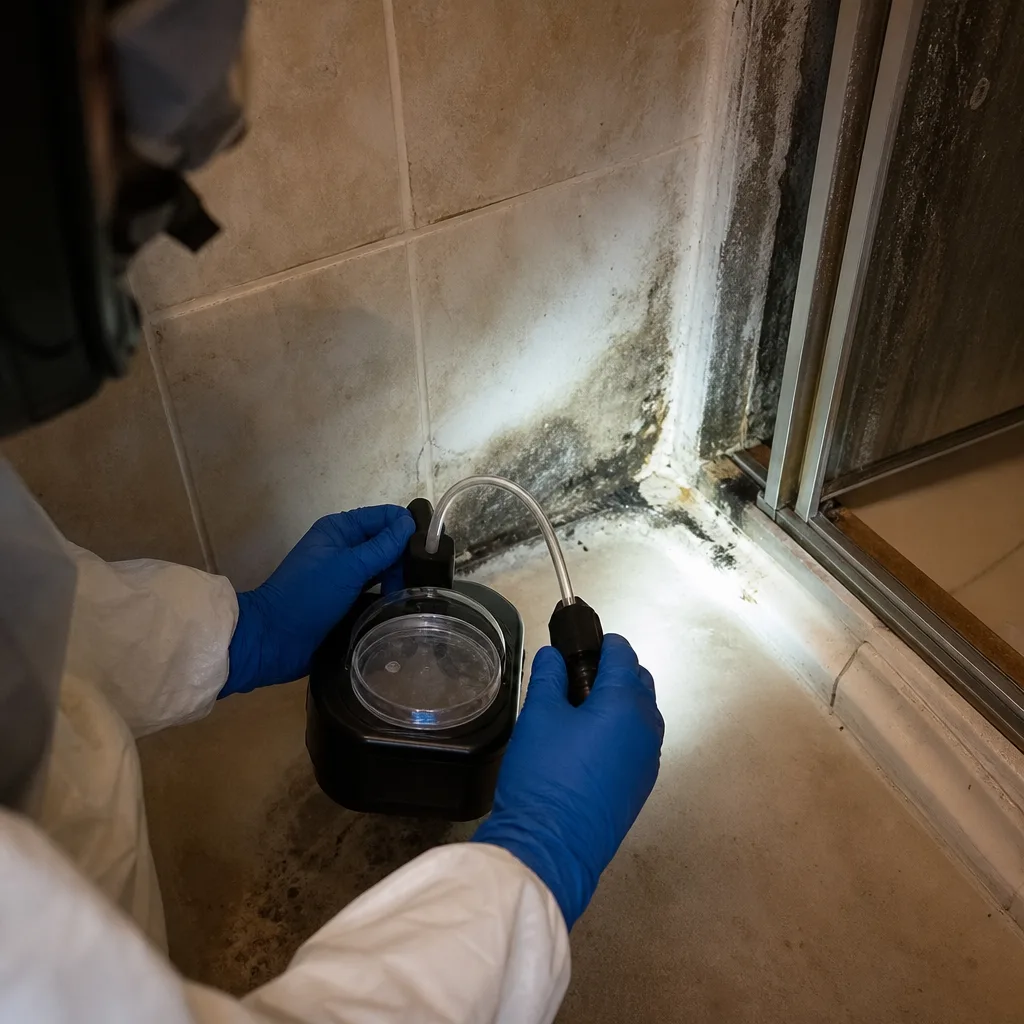
- Waiting for visible mold. Mold requires 24-48 hours of moisture to establish and 10-21 days to become visible or odorous. By then, remediation costs have typically doubled. In Santa Ana’s Flower Street corridor, we’ve seen homeowners wait for “proof” while colonies spread through HVAC ductwork.
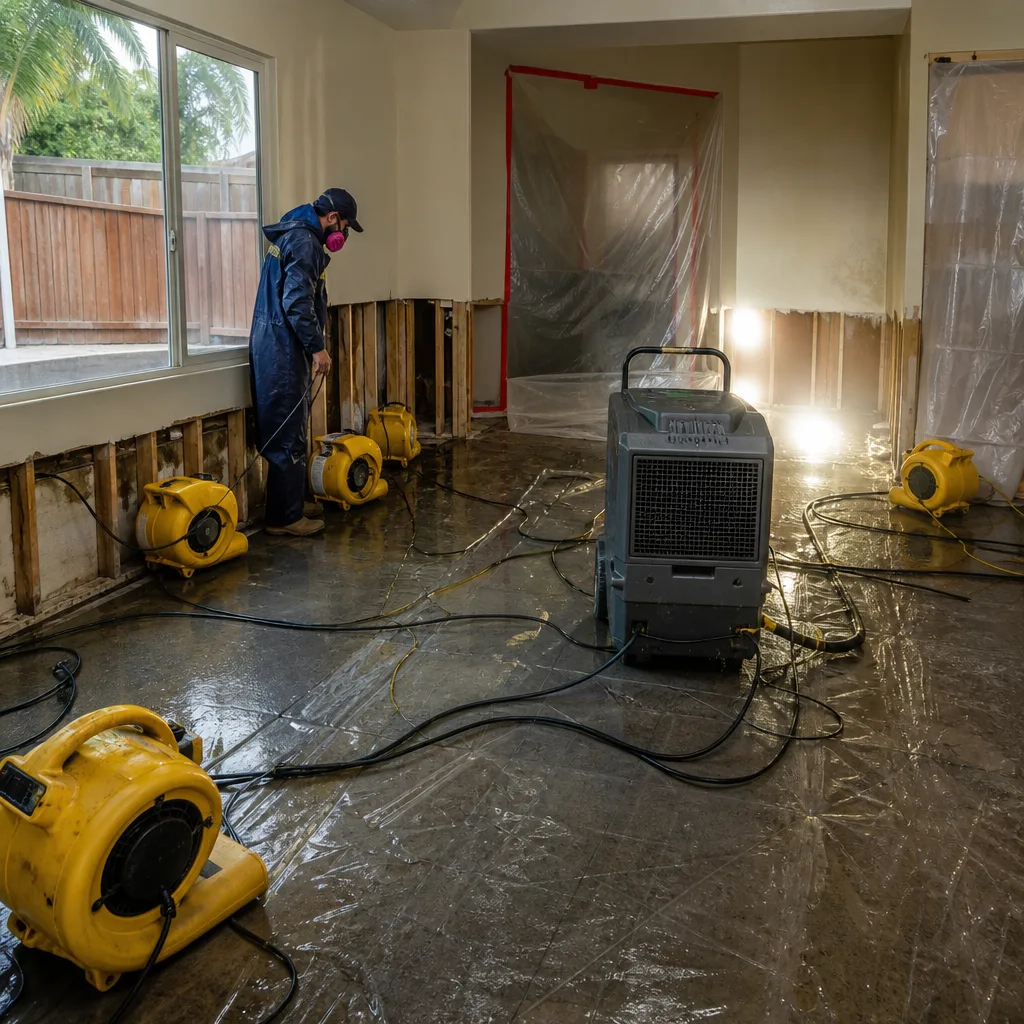
- Using household fans on Category 2 or 3 water. Air movement aerosolizes contaminants. A sewage backup ventilated with a box fan distributes bacteria throughout the home. Contaminated water requires containment and negative air pressure, not improvisation.
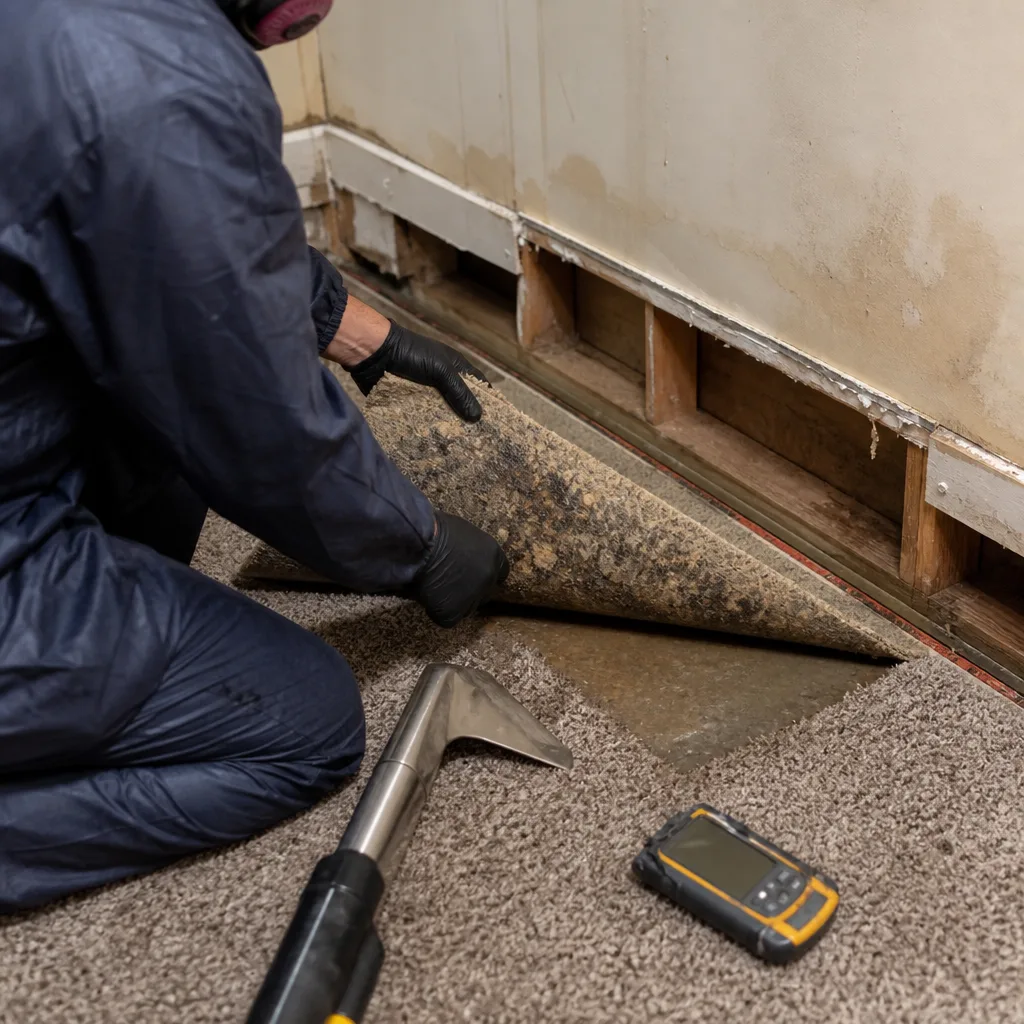
- Trusting touch as a moisture test. Drywall can feel dry at the surface while holding 25% moisture at the core. We use pin meters that penetrate to the core, or thermal imaging that detects evaporative cooling behind the surface.
- Ignoring seasonal patterns. That stain that “appears every winter and dries by summer” is not harmless. It’s evidence of a leak that activates under specific conditions, and each wet-dry cycle degrades the material further. In Santa Ana’s climate, three cycles often destroy drywall integrity.
- Documenting without scale or date. Photos of damage without reference objects or timestamps are nearly useless in claim disputes. A photo of a water stain is evidence; a photo of a water stain with a ruler, dated note, and room identifier is proof.
- Assuming insurance covers all categories equally. Most policies cover sudden and accidental water damage but exclude long-term leakage, mold from deferred maintenance, and Category 3 events without specific endorsement. Documentation that establishes the event date and category protects your coverage.
- DIY demolition without moisture mapping. Removing visibly damaged material while leaving adjacent, elevated-but-not-yet-failing material creates a future claim. We map the full extent of the moisture perimeter before any demolition, ensuring the scope addresses the complete affected area.
When to Call a Professional
Call when a moisture meter reads above 16% in drywall or 20% in wood, regardless of visible damage. Call when you detect any odor of mold or mildew, even without visible source. Call for any water intrusion that involves a toilet, washing machine drain, or exterior flooding. Call when efflorescence appears on your slab, when grout joints darken persistently, or when a previously stuck door frees itself without explanation (possible slab heave resolving).
For Category 2 or 3 contamination, call immediately; these require specialized containment, PPE, and disposal protocols that homeowners cannot safely replicate. For Category 1 events, you have a narrow window, typically 24-48 hours in Santa Ana’s climate, before microbial amplification changes the category and the required response.
DryMark Restoration Santa Ana offers free estimates in Santa Ana. We’ll bring calibrated moisture meters, thermal imaging, and the documentation protocol that turns your warning signs into a payable claim. Explore more guides & resources on our blog. Call (657) 300-9903. Our live dispatch answers 24 hours a day, 7 days a week, with no voicemail on emergency lines. Every estimate is delivered in writing before work begins, per Haven Standard, Clause 1.
Frequently Asked Questions
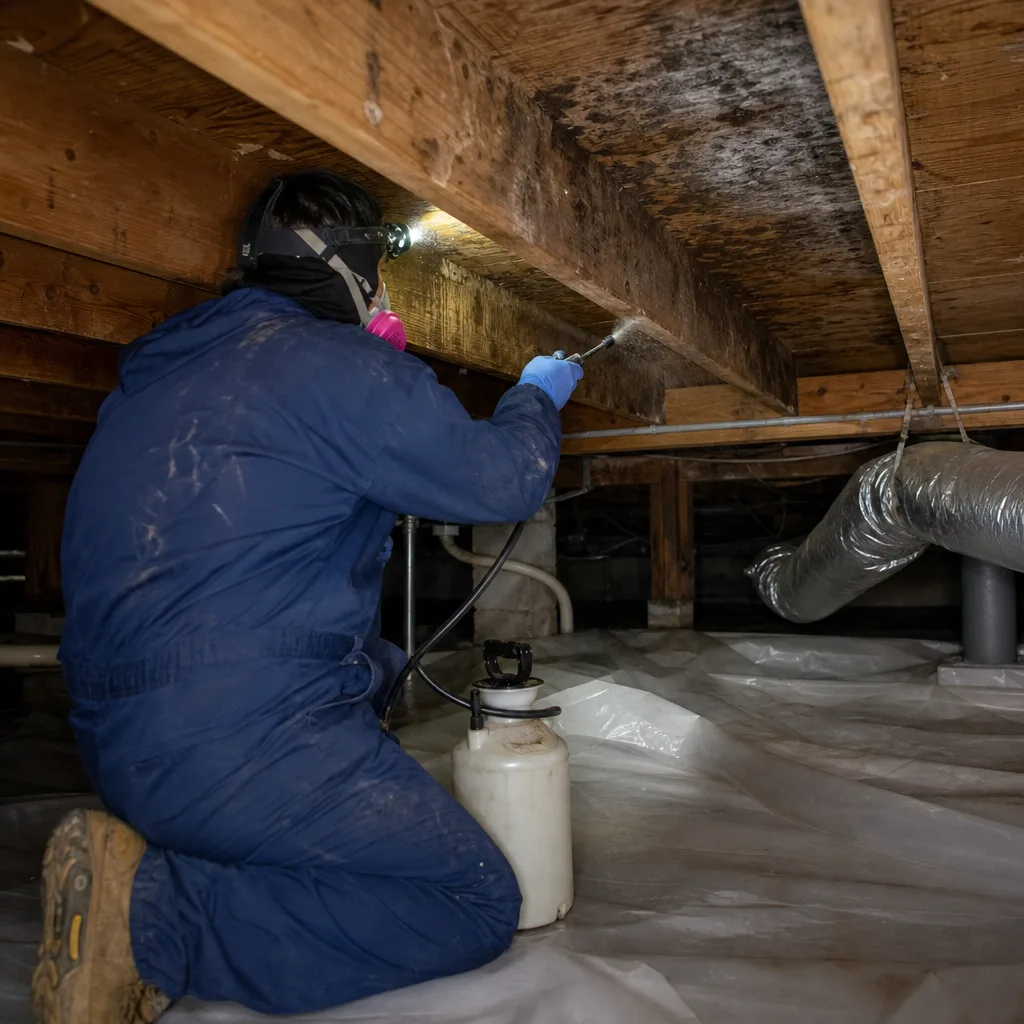
Most restoration companies, including DryMark Restoration Santa Ana, provide initial moisture mapping and detection at no charge with a written estimate. Independent moisture inspection services typically range $150-$350 for residential properties. We recommend investing in a personal pin-type moisture meter for $40-$80 for ongoing monitoring, and calling us for professional-grade thermal imaging and psychrometric analysis when readings exceed thresholds. Call (657) 300-9903 for an exact quote - estimates are free.
Coverage depends on whether the damage is determined “sudden and accidental” or “long-term” under your policy language. Most standard HO-3 policies cover sudden events but exclude damage from leaks that persisted over 14 days or more. Your documentation of when warning signs first appeared, and what you did upon noticing them, directly affects this determination. Photo records with dates, written notes, and prompt professional assessment strengthen your position. We coordinate directly with adjusters and provide the documented moisture logs that establish timeline. Call (657) 300-9903 to discuss your specific situation.
Our live dispatch answers every call, 24 hours a day, 7 days a week, with no voicemail on emergency lines. For active water intrusion and Mold Remediation in Santa Ana emergencies, we typically arrive within 60-90 minutes during normal dispatch hours. Response time depends on current event volume and your location within the service area. Reconstruction and non-emergency assessment are scheduled, not dispatched, and include a written scope and price before work begins per Haven Standard, Clause 1.
Surface cleaning of mold without addressing moisture source and airborne spore load typically worsens the problem by disturbing colonies and distributing spores. IICRC S520 guidelines require containment, negative air pressure, and post-remediation verification for any contamination exceeding 10 square feet. DIY cleaning also creates documentation gaps that insurers use to deny related claims. Our remediation includes source elimination, containment, HEPA filtration, and clearance sampling that creates the record your claim requires.
Shut off the water main if the source is plumbing-related; the valve is typically at the front of the house near the street or in the garage. Do not enter standing water if electrical outlets may be submerged. Photograph everything before moving or removing anything. Call our live dispatch at (657) 300-9903; we can guide you through immediate steps while en route. For Category 2 or 3 water, avoid contact entirely and wait for trained technicians with appropriate PPE.
We provide direct adjuster coordination as a standard service, not an upsell. Every job includes a photo record on every visit, daily drying logs with psychrometric data, and a written scope before work begins. These documents are formatted for adjuster review and submitted with the invoice. Our documentation-first approach, developed from founder Alicia Brennan’s background in claims adjustment, means fewer disputes, faster payment, and no scope-creep additions once work is underway. Haven Standard, Clause 1: written price before work begins, every time.
The Bottom Line
The warning signs that matter are measurable, not dramatic. A moisture reading of 16% in drywall. A humidity differential of 10% between rooms. Efflorescence following a control joint, not random surface dust. These are the thresholds where preservation is still possible and demolition is still avoidable. In Santa Ana’s slab-on-grade, Mediterranean climate, the margin between early detection and major remediation is often a single weekend of delay. Document what you find with scale, date, and location. Know your contamination category before you call. And understand that the documentation you create, combined with the professional record we provide, is what transforms a restoration invoice from a disputed line item into a paid claim.
Written by Alicia Brennan, Owner at DryMark Restoration Santa Ana, serving Santa Ana since 2011.