
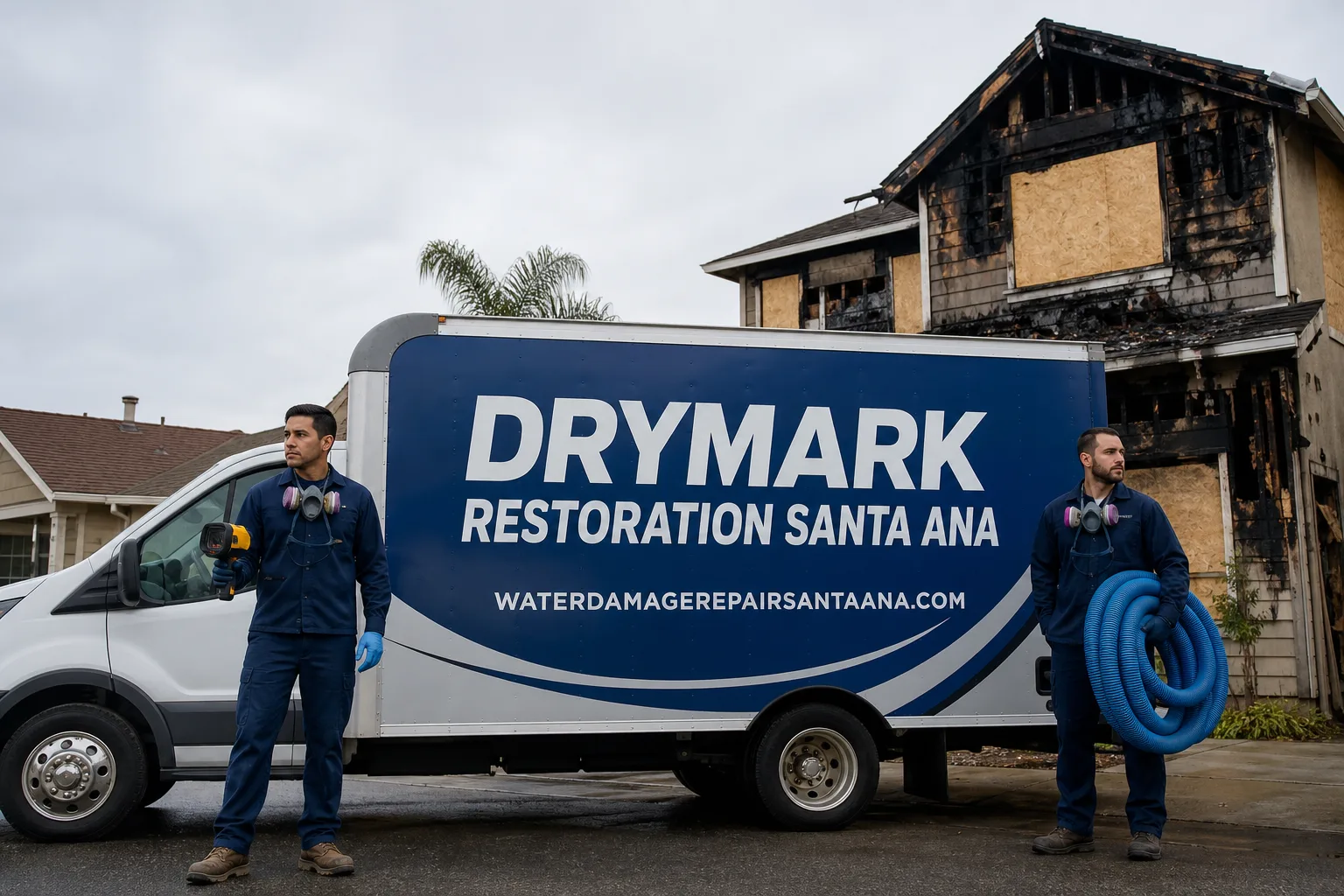
Free visual inspection and a written scope of work before any mitigation begins - photos, moisture readings, and drying logs go in your claim file
The scope we write is the scope we bill. Anything new gets shown to you, in writing, before we touch it.
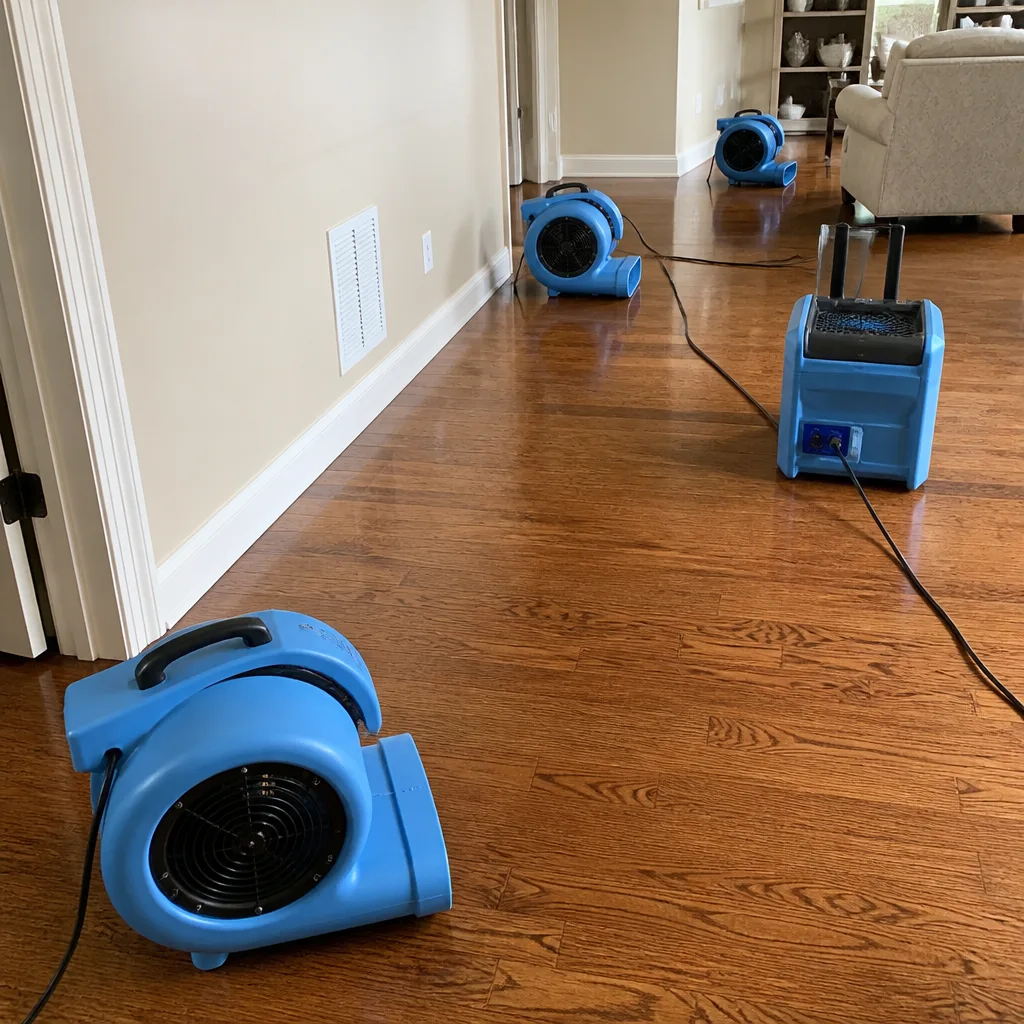
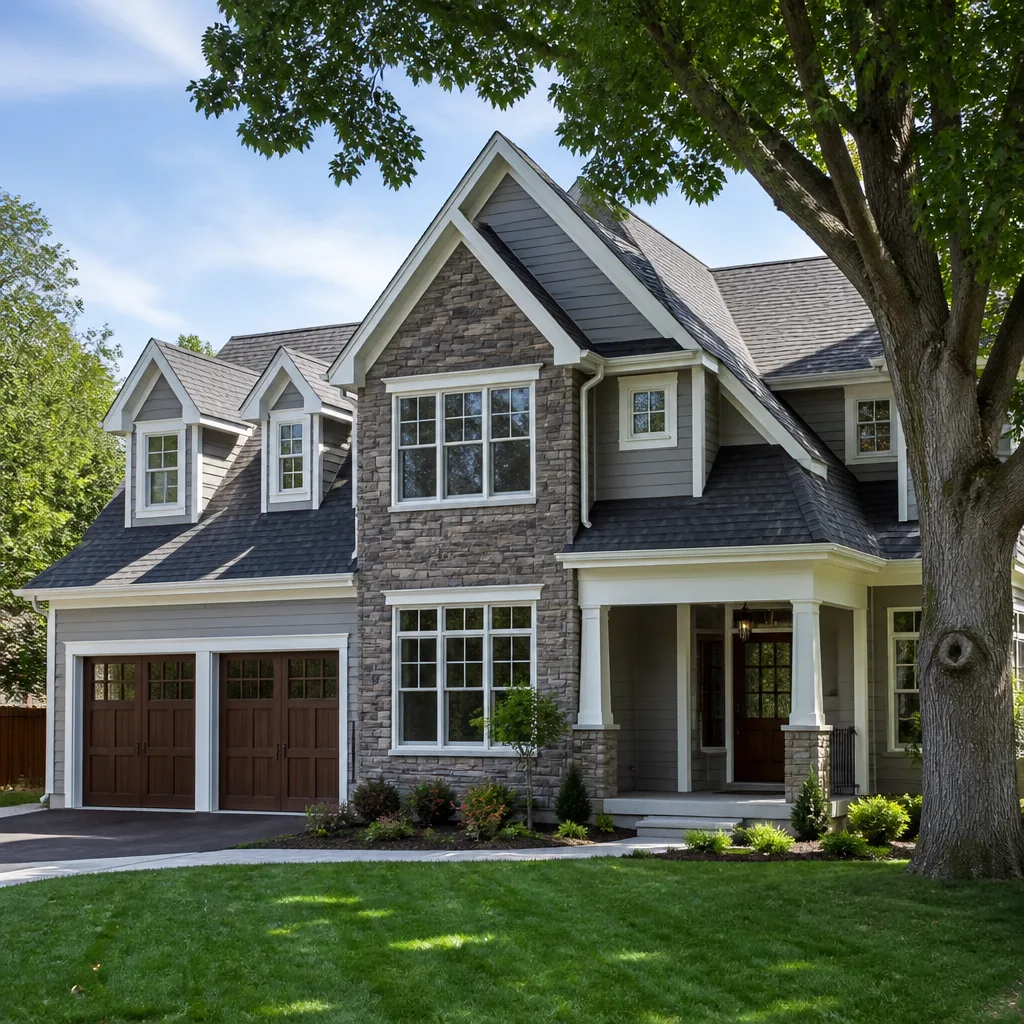
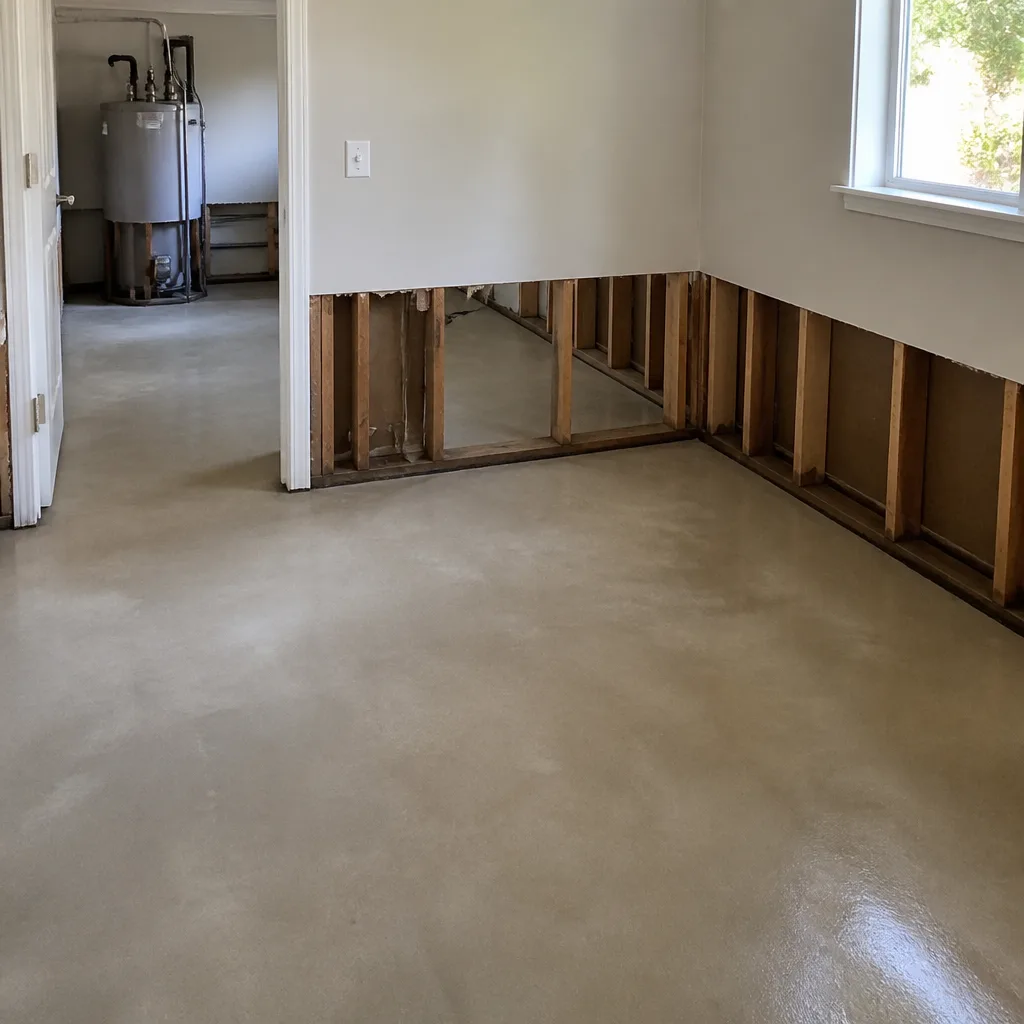

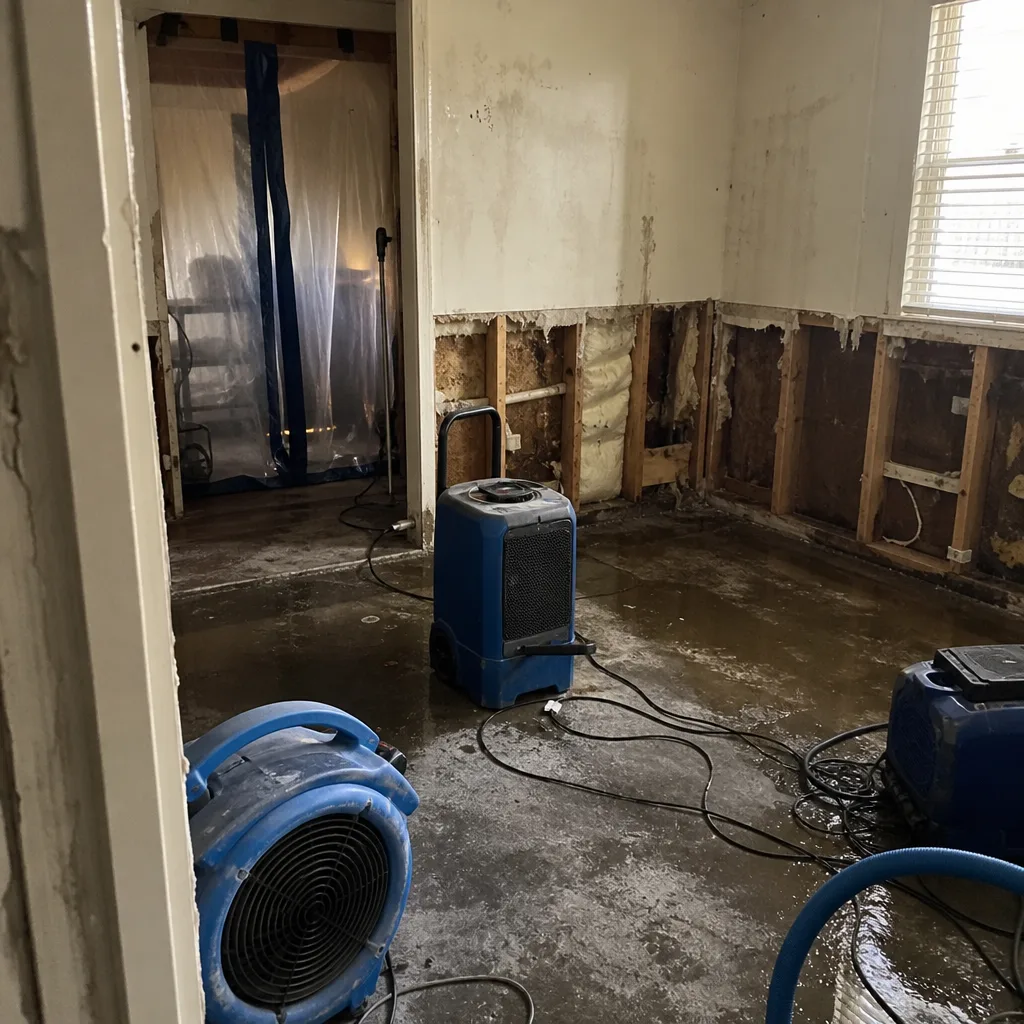 Before
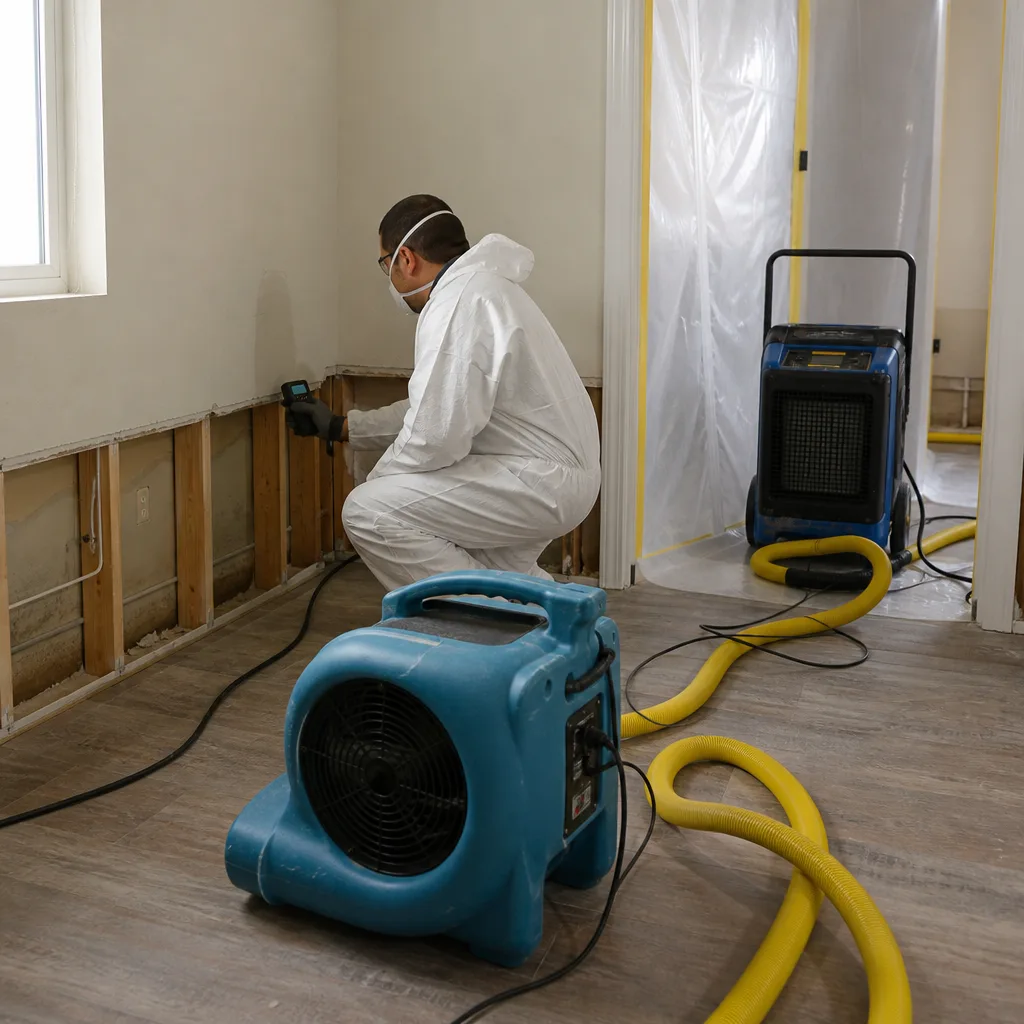 After
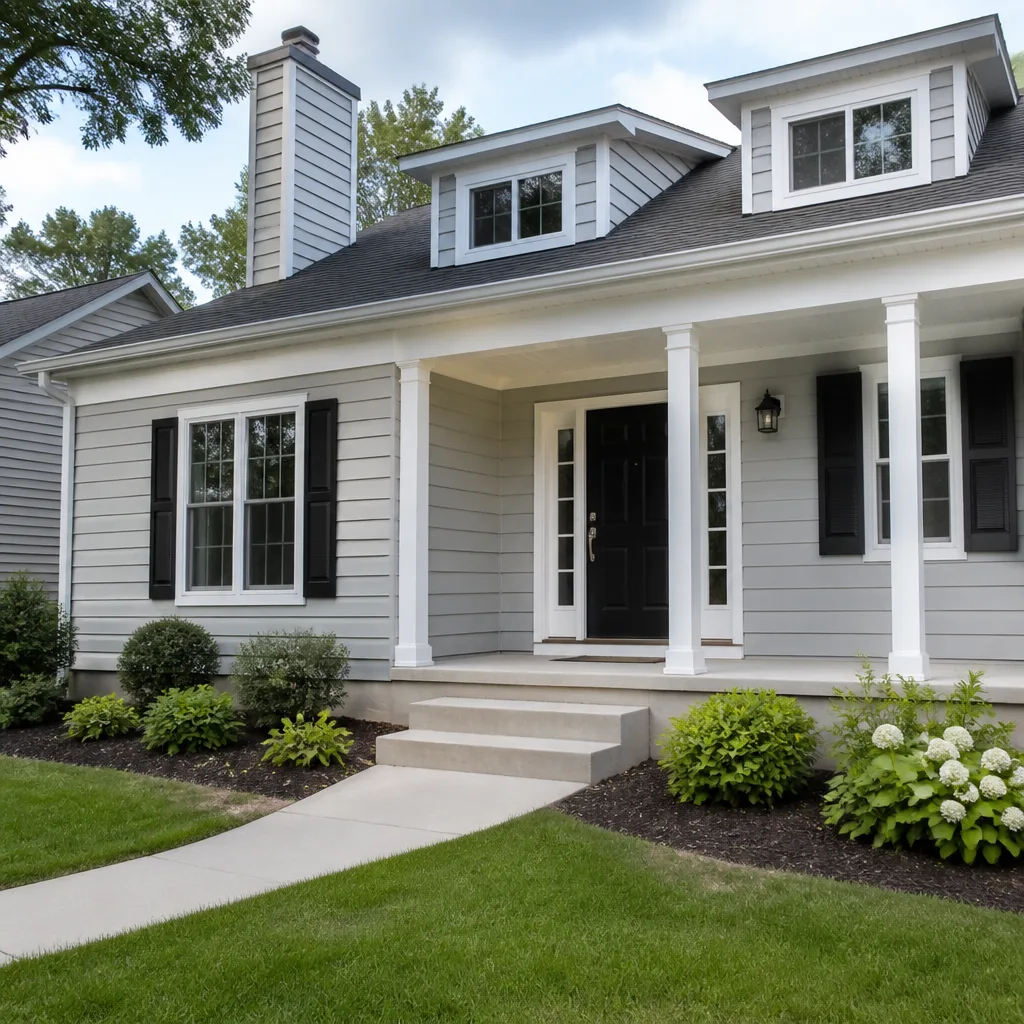
After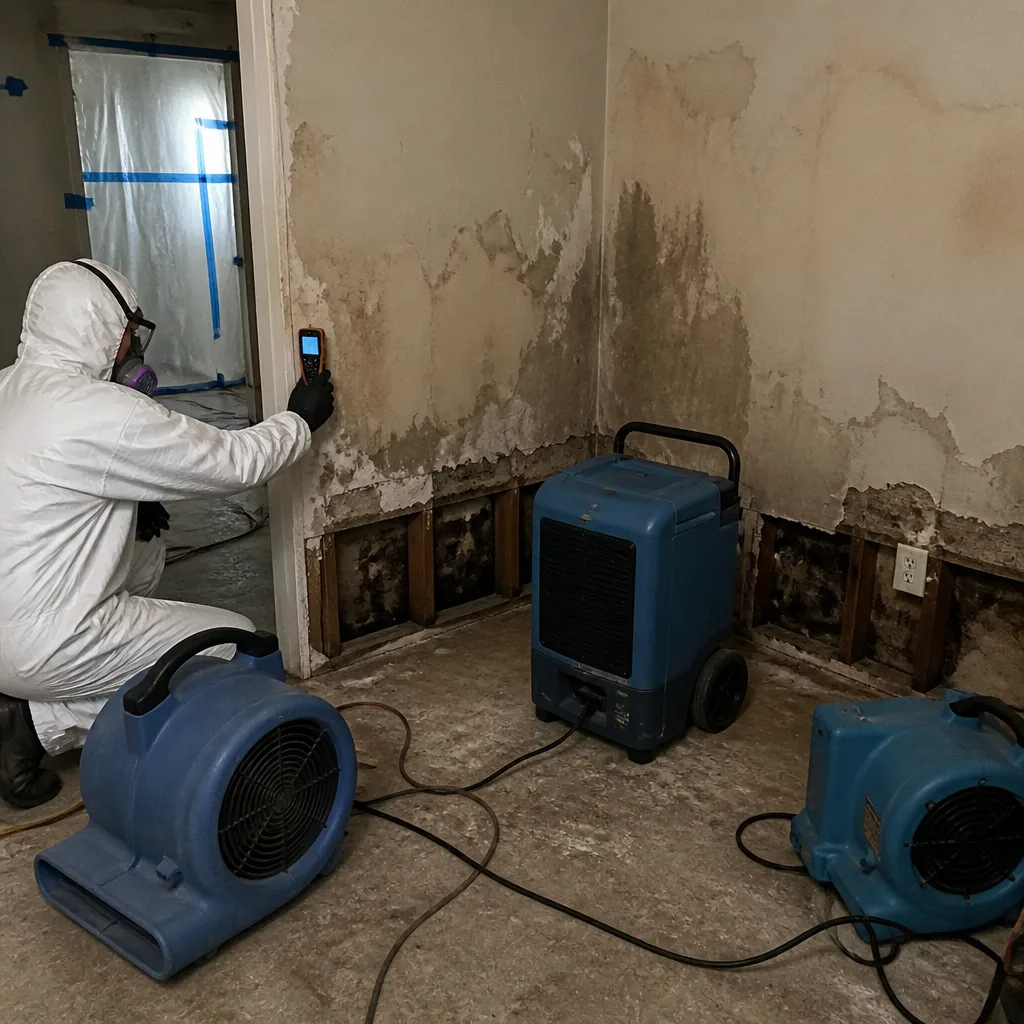 Before
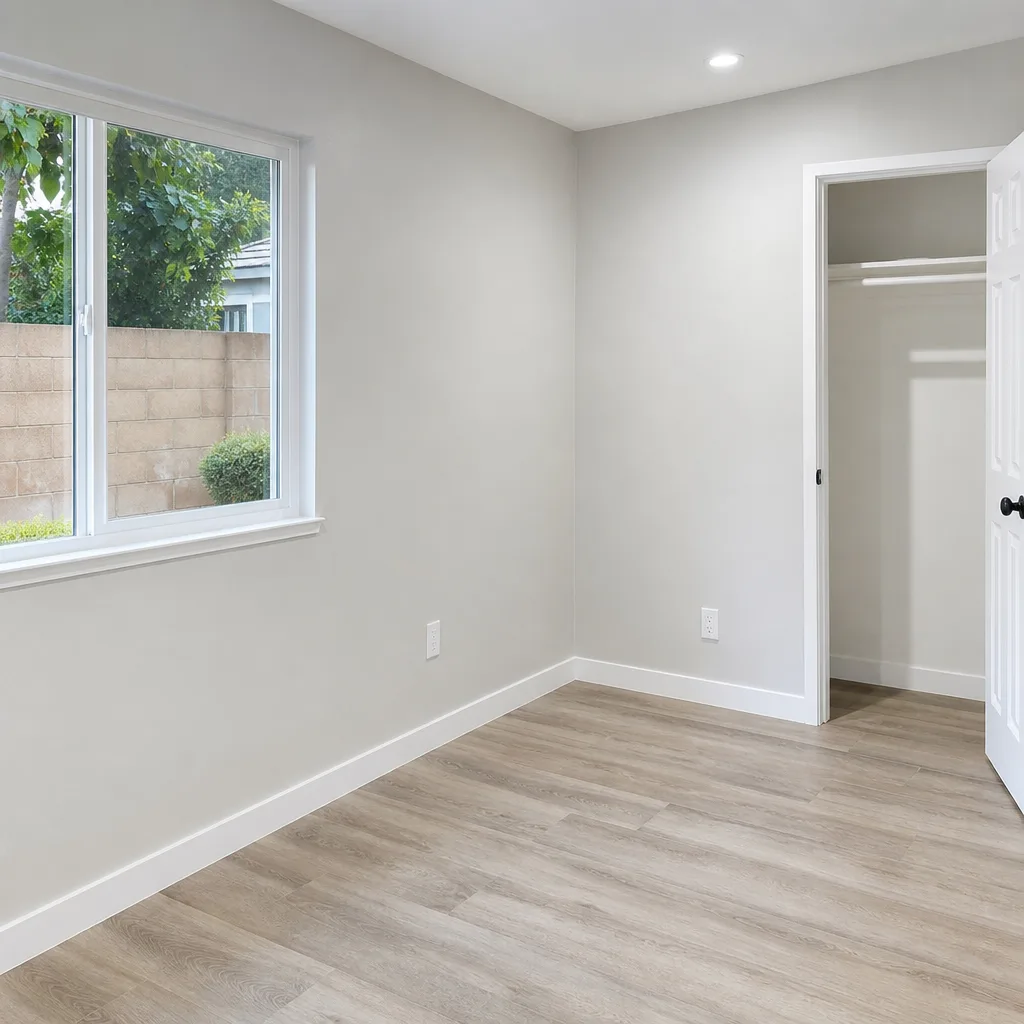 After
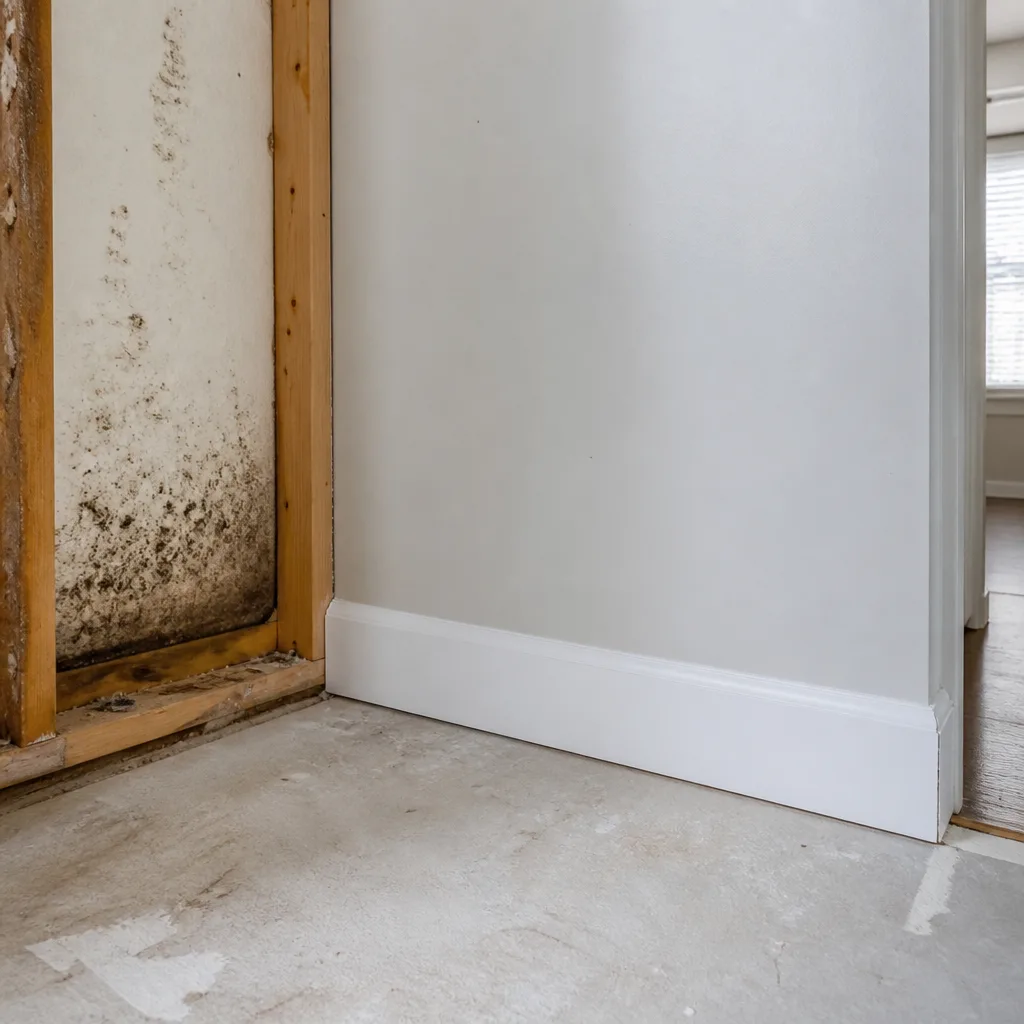
After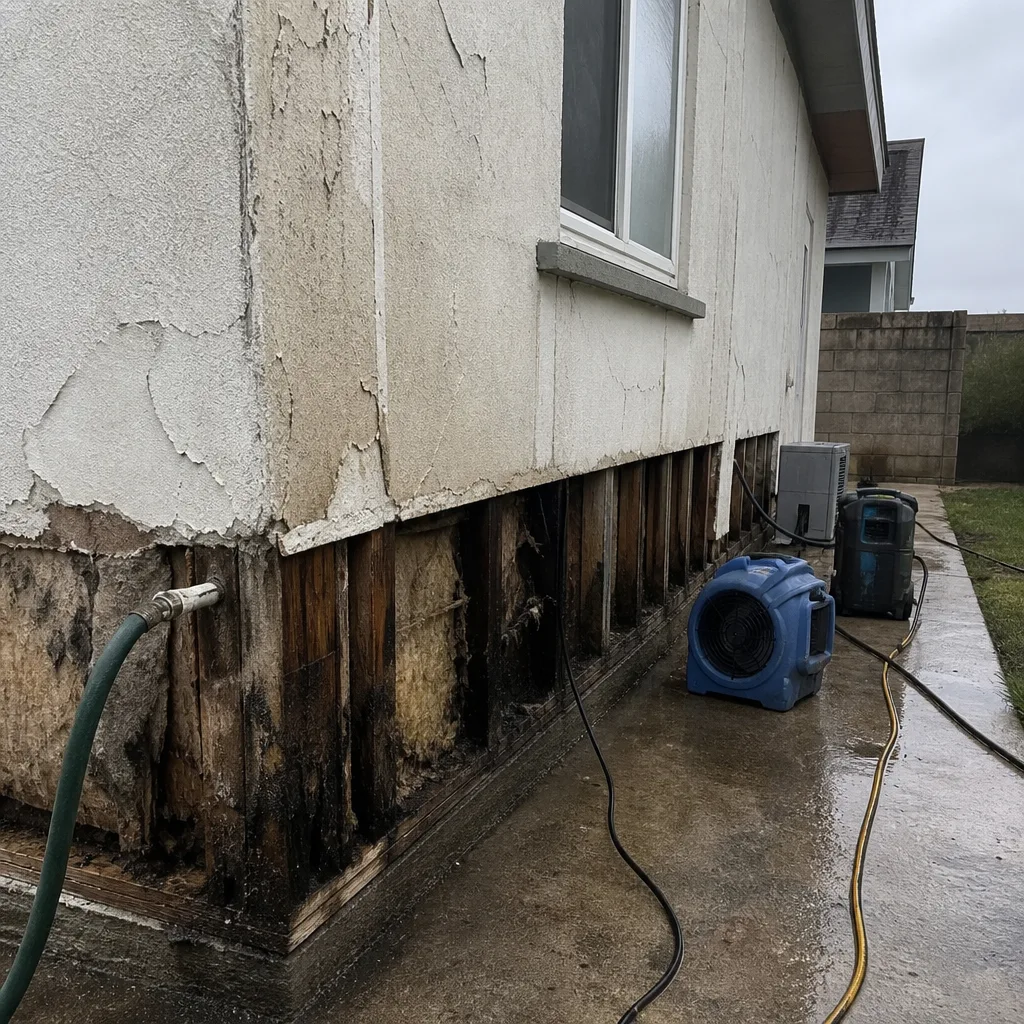 Before
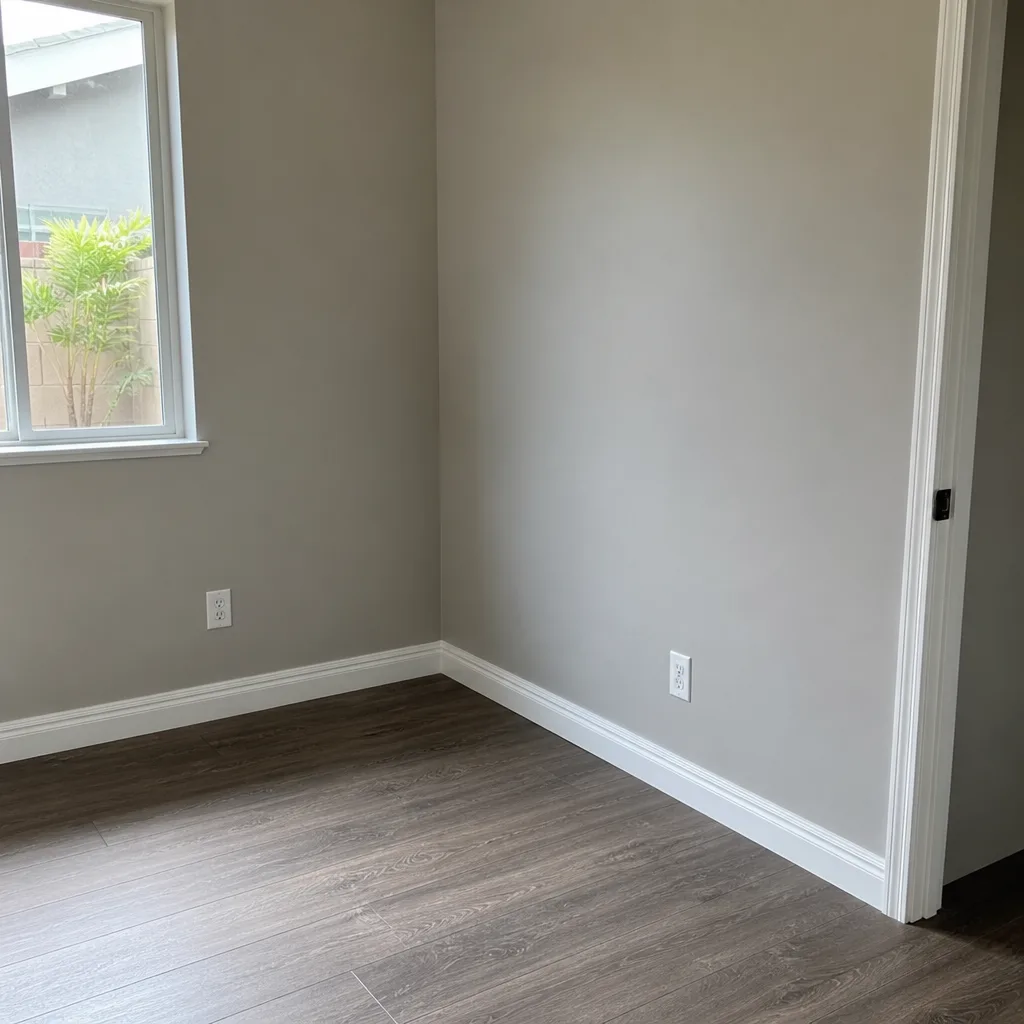 After
AfterFast, Reliable Mold Remediation Across Santa Ana
Mold remediation in Santa Ana typically runs $1,200-$4,500 for contained residential jobs, with full-structure treatments reaching $8,000-$15,000 in pre-1970 multi-unit buildings where asbestos and lead-paint protocols apply. Most inspection calls in Santa Ana are scheduled within 4 hours, and our crews carry the containment and air-scrubbing equipment needed for the tight alley-loaded townhomes and courtyard apartments that make up much of the city’s housing stock.
We know Santa Ana’s buildings. The 1920s Craftsman bungalows in Floral Park, the 1950s stucco tract homes near Memorial Park, the courtyard apartment blocks off West Civic Center Drive - each carries a different mold risk profile based on age, wall construction, and how moisture moves through shared plaster-and-lath assemblies. Our Mold Remediation team maps every job to the actual structure, not a generic protocol. Dispatch and scheduling are coordinated from our Los Angeles office; crews serve Santa Ana locally and carry the documentation systems that turn restoration invoices into payable claims.
Call (657) 300-9903 for a written estimate before any work begins. Haven Standard, Clause 1.
Why DryMark Restoration Santa Ana Is Santa Ana’s Preferred Mold Remediation Company
We’ve restored homes in Santa Ana since our founding in 2011 - over 12,000 properties across our service area, every one with a written price before work started and a documented photo record when the crew left. Alicia Brennan built this company around the documentation gap she saw as a claims adjuster: sloppy moisture logs and missing photos that cost homeowners their insurance settlements. We don’t repeat that mistake.
Our Santa Ana customers find us because they read the three-star reviews. They want to know what happens when something goes wrong, and they want to see how a company responds. Our answer is in the file: daily drying logs, room-by-room moisture readings, a photo record on every visit, and a 365-Day Done Right Promise backed by The Haven Standard - not a verbal assurance, a signed guarantee.
Response time to Santa Ana averages under 4 hours for inspection calls. Emergency lines are answered by a live person 24 hours a day, 7 days a week - no voicemail trees, no next-business-day callbacks while moisture is still moving through walls. For Mold Remediation in Santa Ana, that speed matters because the city’s long dry stretches suppress visible mold growth while cavity colonization advances unchecked.
Local knowledge that saves money: Santa Ana’s pre-1970 housing stock triggers asbestos and lead-paint testing requirements before any structural demo can proceed. We pull samples on the first visit, not mid-mitigation when the job stalls and costs balloon. Crews in newer Irvine subdivisions don’t face this timeline; we do, and we build it into the scope from day one.
Our Mold Remediation Services in Santa Ana
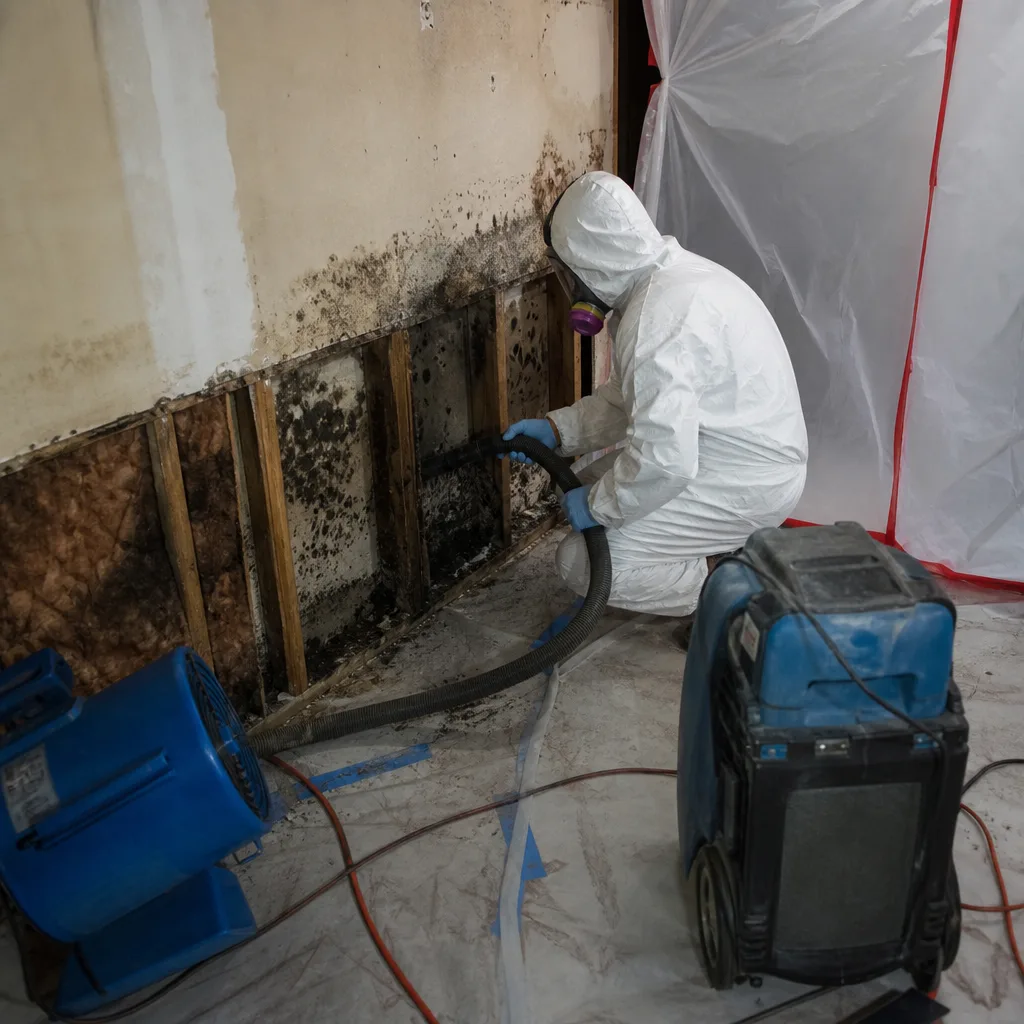
Mold Inspection & Testing
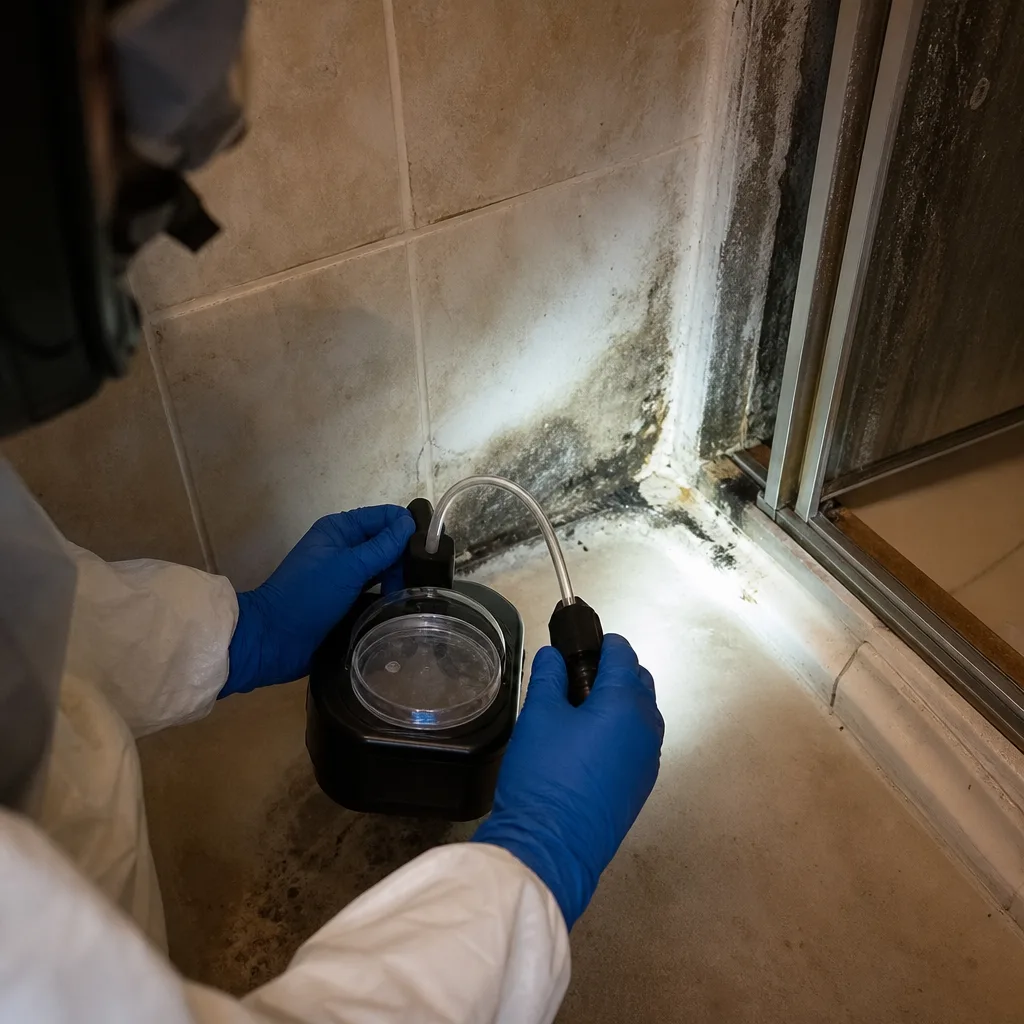
Every Santa Ana inspection starts with a written scope of work, not a verbal guess. We document pre-loss condition with moisture readings, thermal imaging, and air quality sampling - because Santa Ana’s long dry periods suppress visible mold while cavity growth continues. In Floral Park bungalows and west-side courtyard buildings, we test for asbestos and lead paint before any invasive inspection, since disturbing pre-1970 materials without clearance stalls the job and creates liability. Typical inspection and testing in Santa Ana: $350-$750 for residential, $800-$1,400 for multi-unit buildings requiring expanded sampling.
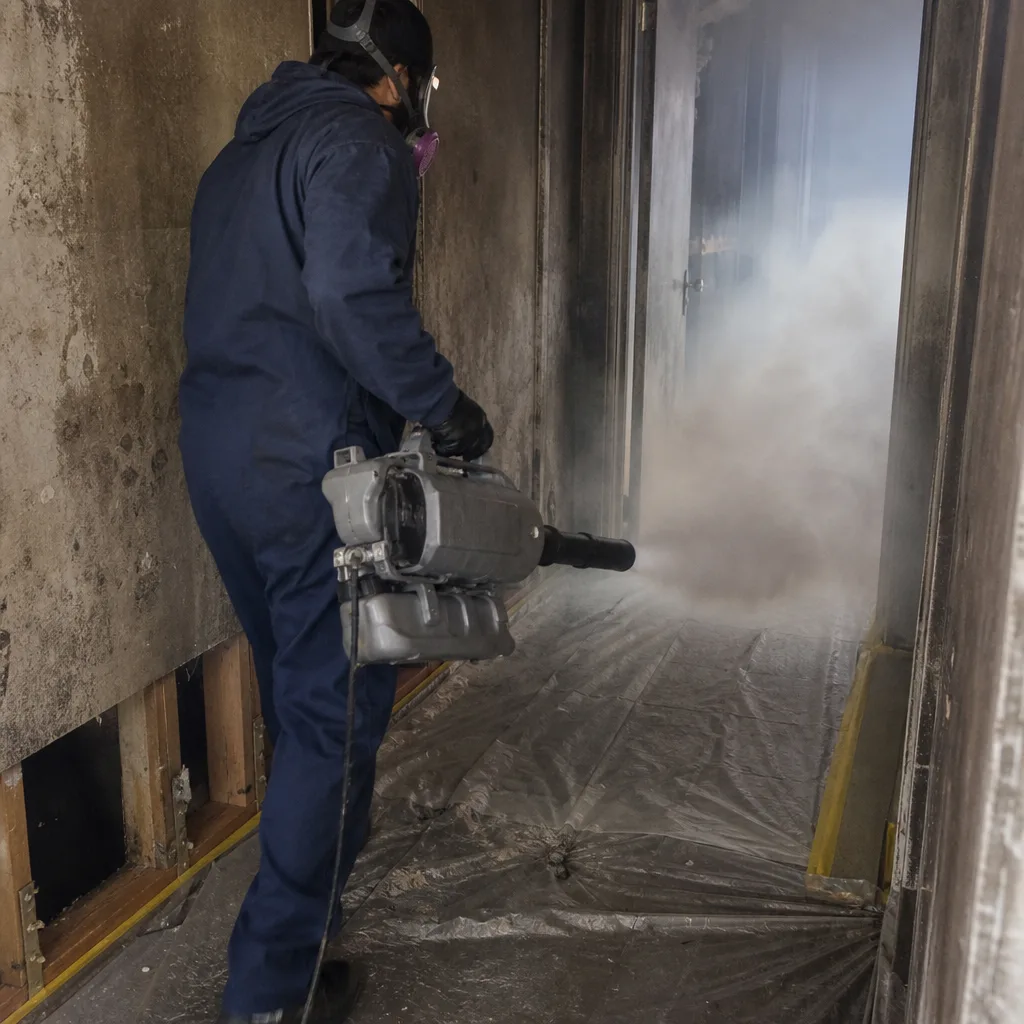
Mold Removal
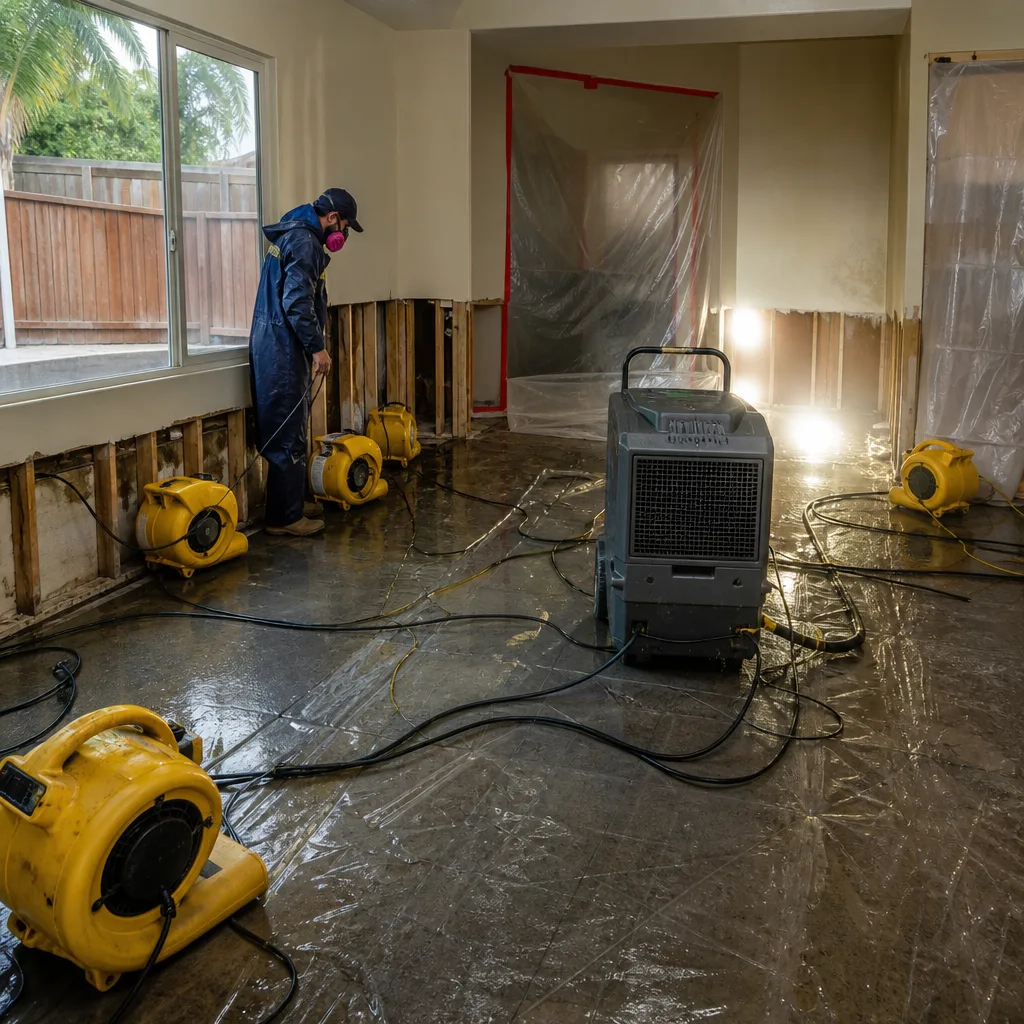
Removal protocols vary by material classification and moisture classification. Santa Ana’s shared plaster-and-lath walls in 1950s courtyard apartments require containment strategies that single-family drywall jobs don’t - negative air pressure, sealed corridors, and coordinated access with multiple tenants. We use Dri-Eaz and Phoenix dehumidification systems, B-Air air movers, and document every step to IICRC and RIA standards. Our crews are background-checked, uniformed, and named on the work order before they arrive.
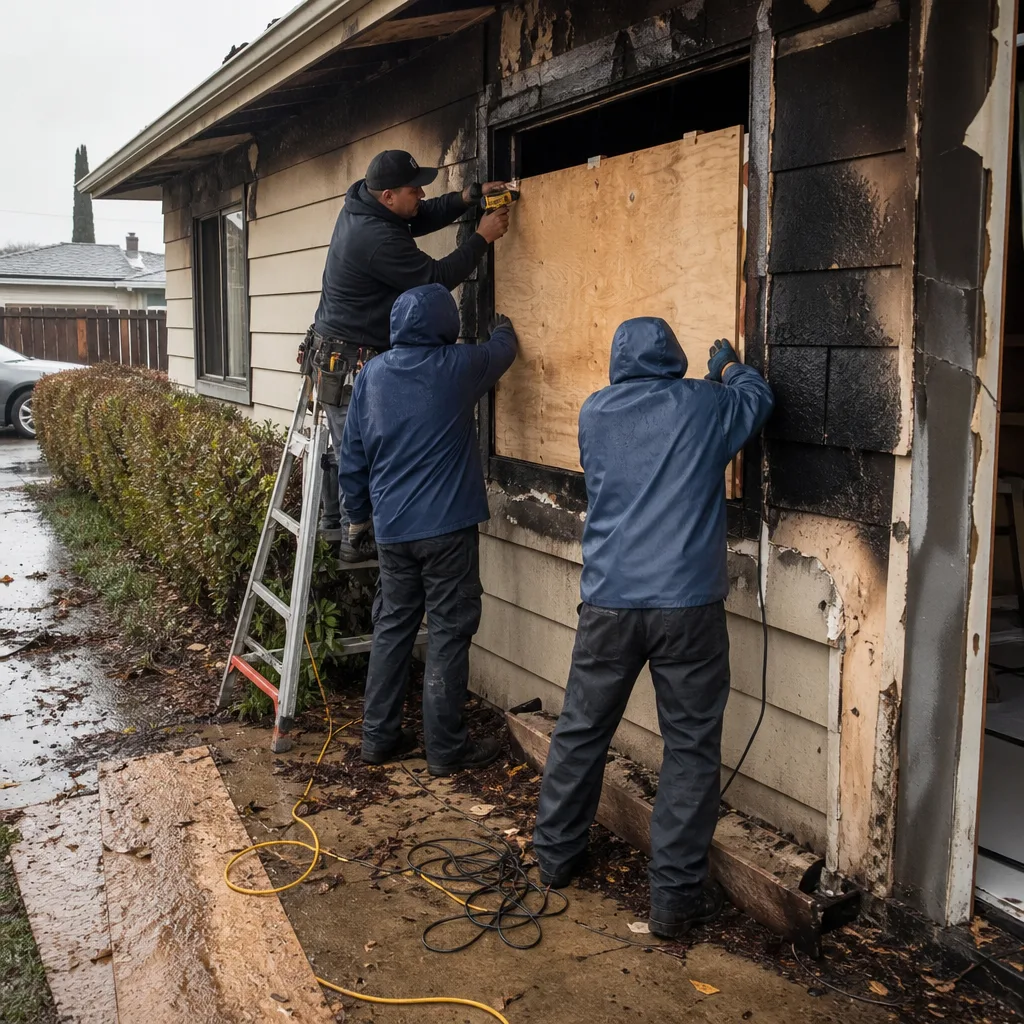
Black Mold Remediation
Stachybotrys and other toxigenic species in Santa Ana are almost always tied to prior water intrusion - slab leaks in low-basin neighborhoods, supply-line failures in aging courtyard buildings, or wildfire-season roof damage that lets winter rain into attic spaces. We don’t treat black mold as a separate marketing category; we treat it as a signal that the moisture source was missed or the Santa Ana Water Damage Restoration was incomplete. Our scopes include source identification, structural drying with documented psychrometric data, and post-remediation verification testing. In Santa Ana’s wildfire-plume corridor, we also check for smoke and soot residue that can compound microbial growth in cavity spaces.
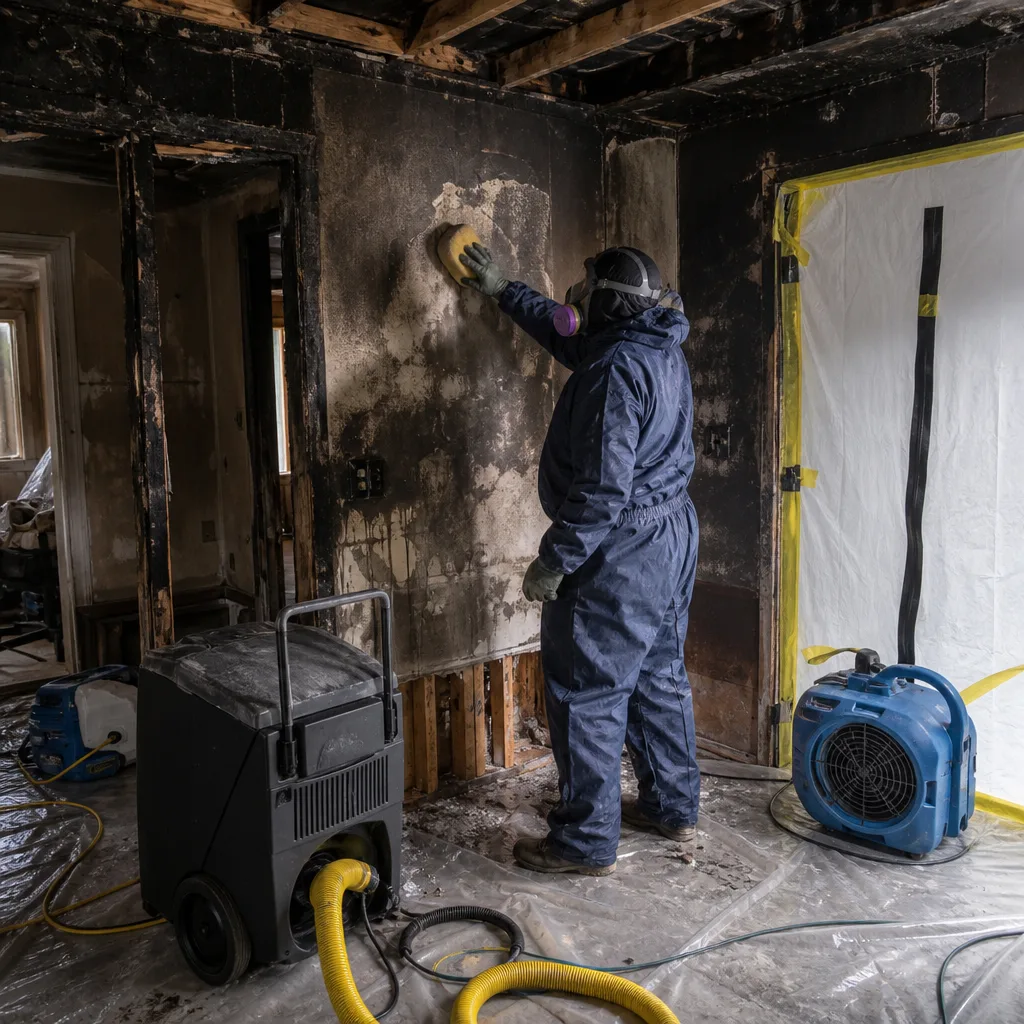
Moisture & Humidity Control
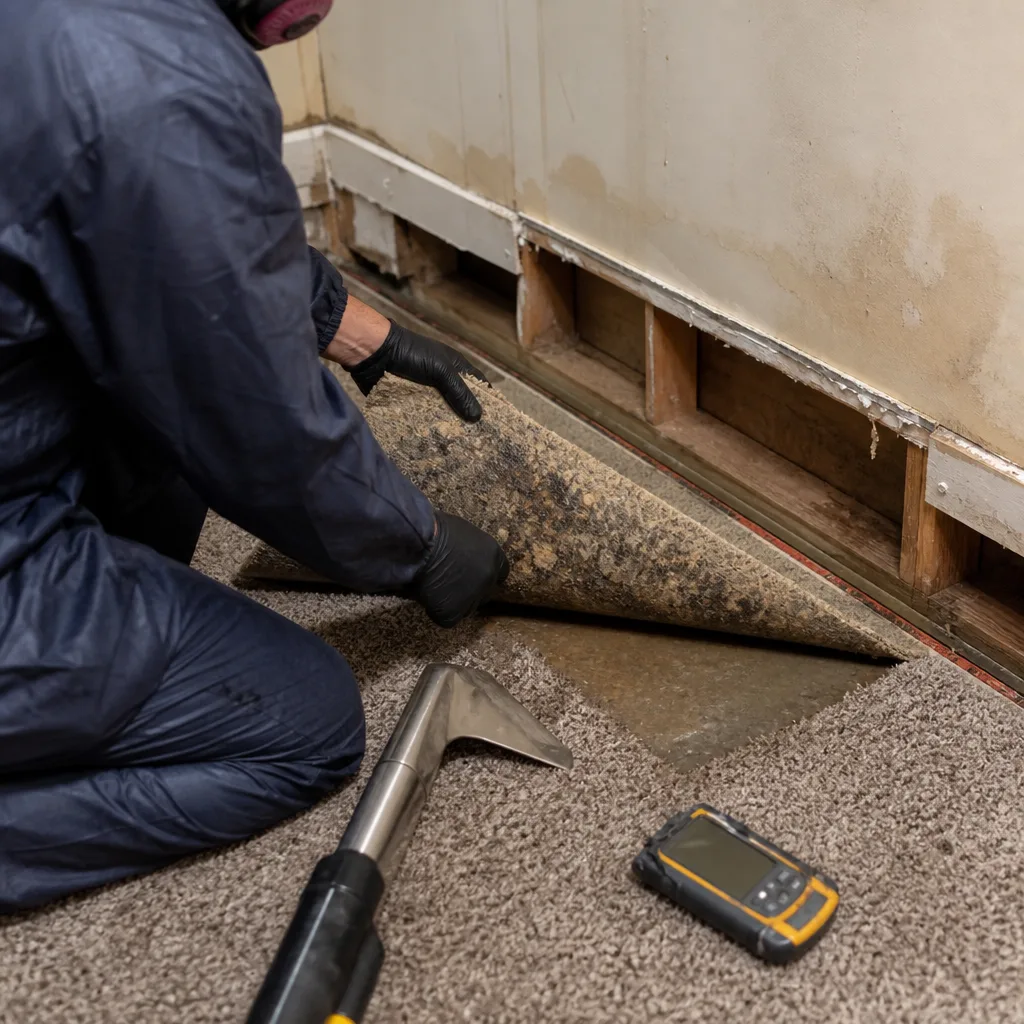
Santa Ana’s climate pattern - intense winter rain events followed by long, dry stretches - creates a false-resolution problem. Homeowners see surfaces dry and assume the issue is resolved. We install temporary and permanent dehumidification, document vapor pressure differential readings, and provide drying logs that show when structural materials actually reach equilibrium moisture content, not just when they look dry. For courtyard apartments with shared wall assemblies, we coordinate humidity control across affected units to prevent cross-contamination.
Air Quality Restoration
Post-remediation air quality in Santa Ana must account for more than mold spores. Wildfire smoke and ash intrusion - a recurring issue in the downwind plume from Anaheim Hills and Santiago Canyon fires - leaves particulate residue that standard mold scopes can miss. Our air quality restoration includes HEPA filtration, activated carbon scrubbing where smoke history exists, and third-party verification testing before clearance.
What happens when you call
- 1
A real person answersNo phone trees - you reach a local pro.
- 2
You get an upfront price rangeHonest numbers before anyone is dispatched.
- 3
A background-checked tech heads outLicensed & insured, dispatched right away.
- 4
You approve before work beginsNothing starts until you say go.
BeforeAfterTrusted Brands We Service in Santa Ana
Our equipment inventory runs on the systems that produce documentation insurers accept: Dri-Eaz and Phoenix dehumidifiers, XPOWER and B-Air air movers, and Injectidry cavity drying systems for the tight wall assemblies common in Santa Ana’s older housing. We don’t rent equipment by the job; we own it, maintain it, and log its calibration. For Santa Ana customers, that means no delay waiting for a rental house to deliver, and no question about whether the drying log will hold up under adjuster review. Every machine’s output is documented to IICRC, RIA, and IFA standards - the daily moisture readings that turn restoration invoices into payable claims.
Common Mold Remediation Problems We See in Santa Ana Homes
- Shared-wall wicking in 1950s courtyard apartments. A single supply-line failure under a kitchen sink commonly sends Category 3 water through plaster-and-lath into two or three adjoining units before anyone calls. Treating this as a single-address job misses hidden spread and guarantees callback mold.
- Asbestos and lead-paint delays on pre-1970 properties. Floral Park bungalows and post-WWII stucco tract homes throughout central Santa Ana require testing before any demo. Skipping this step stalls the job mid-mitigation and exposes crew and owner to liability.
- False resolution after winter rain events. Santa Ana’s long dry stretches suppress visible mold while cavity colonization advances. Crews that don’t document pre-loss moisture readings and air quality baselines miss the second incident entirely.
- Wildfire smoke residue compounding microbial growth. Santa Ana’s position in the Anaheim Hills/Santiago Canyon plume corridor means smoke and ash intrusion is a recurring cavity-mold driver that flatland neighbors like Garden Grove rarely see at the same frequency.
Pricing for Mold Remediation in Santa Ana, CA
| Service | Typical Range in Santa Ana |
|---|---|
| Mold inspection & testing (residential) | $350 - $750 |
| Mold inspection & testing (multi-unit) | $800 - $1,400 |
| Contained mold removal (single room) | $1,200 - $2,800 |
| Moderate remediation (multiple rooms, no structural demo) | $3,500 - $6,500 |
| Full-structure treatment with asbestos/lead protocols | $8,000 - $15,000 |
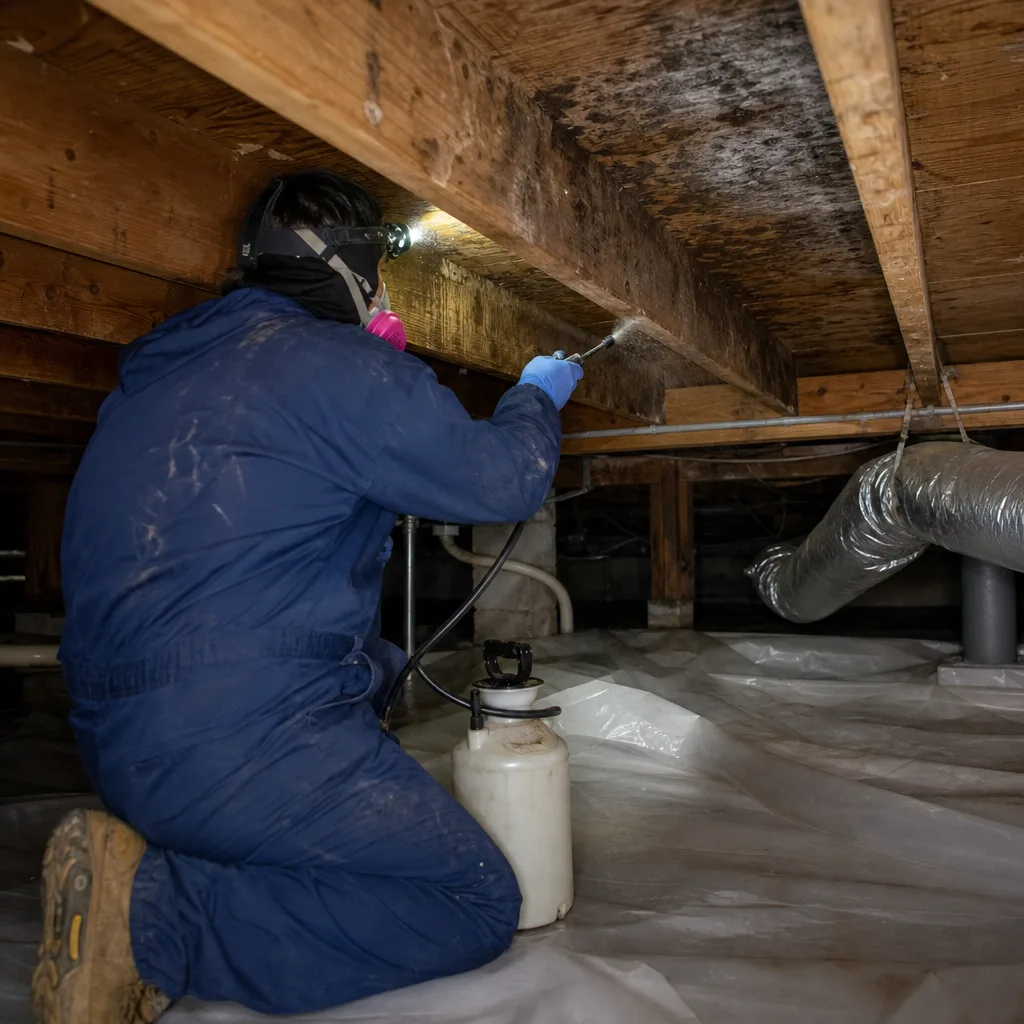
| Crawl space mold treatment | $2,500 - $5,500 |
| Post-remediation air quality verification | $400 - $900 |
What moves Santa Ana jobs toward the higher end: pre-1970 buildings requiring asbestos and lead-paint testing and abatement coordination; multi-unit courtyard buildings needing expanded containment and tenant coordination; wildfire smoke residue requiring additional particulate remediation; and slab or subfloor moisture issues in low-basin neighborhoods with aging stormwater infrastructure. What keeps costs controlled: early detection, accurate moisture mapping on the first visit, and a written scope that doesn’t expand once the crew is inside. Haven Standard, Clause 1: written price before work begins, every time, no exceptions. We also offer a Free Second Opinion on any competitor’s written estimate - bring it in, we’ll review it at no charge.
We Also Serve Cities Near Santa Ana
Our crews work throughout central Orange County, including Santa Ana and neighboring Tustin, Orange, Garden Grove, and Villa Park. Each city’s housing stock and climate exposure creates different mold risk profiles - we scope to the location, not a template.
Serving Santa Ana, CA - Our Local Coverage Area
We’re based in the Santa Ana area and know this community well. Use the map below to see our service coverage - if you’re nearby, we can almost certainly help.
FAQs - Mold Remediation in Santa Ana
Yes. Shared plaster-and-lath walls wick moisture into adjoining units, so a single-address scope misses hidden Category 2/3 spread. We write multi-unit moisture mapping scopes as routine procedure for Santa Ana courtyard buildings, while equivalent calls in newer suburbs almost always stay contained to one address. Call (657) 300-9903 for a written estimate on your specific building - estimates are free.
Santa Ana sits squarely in the downwind plume corridor from Anaheim Hills, Orange Park Acres, and the Santiago Canyon corridor. Smoke and ash intrusion damages seals, clogs vents, and creates particulate residue that traps moisture in cavity spaces - a repeating remediation trigger that flatland neighbors rarely see at the same frequency. Our scopes include smoke residue assessment when wildfire history exists.
Visible mold can appear in 48-72 hours under ideal conditions, but Santa Ana’s long dry stretches often suppress visible growth while cavity colonization advances. More critically, the moisture source in slab leaks and supply-line failures frequently wicks through shared walls before anyone calls. We document pre-loss moisture readings and air quality baselines so the hidden timeline is in the file, not left to guesswork.
Yes, on every pre-1970 job. Santa Ana has among the oldest housing stock in Orange County, and restoration work routinely triggers testing requirements before any structural drying or demo can proceed. We pull samples on the first visit; skipping this step stalls the job mid-mitigation and exposes crew and owner to liability. The cost and timeline are built into the written scope from day one.
Yes. We design containment and equipment placement for Santa Ana’s access constraints - negative air pressure in sealed corridors, compact Dri-Eaz and Phoenix units sized for tight clearances, and coordinated scheduling with property management. In a 1956 courtyard apartment block off West Civic Center Drive, our techs wrote a multi-unit moisture mapping scope, set containment with Dri-Eaz and Phoenix dehumidifiers running alongside XPOWER air movers, logged daily moisture readings into drying logs, and applied antimicrobial treatment to cavity framing once structural drying came in range. Because the building predated 1970, we pulled asbestos and lead-paint samples before any demo on the saturated plaster, which added time but kept the mitigation scope defensible for all four tenants. Call (657) 300-9903 to discuss access planning for your specific property - estimates are free.
Written by Alicia Brennan, Owner at Back to Dry Restoration, serving Santa Ana since 2011 under The Haven Standard.