
Last updated September 23, 2026
Free visual inspection and a written scope of work before any mitigation begins - photos, moisture readings, and drying logs go in your claim file
The scope we write is the scope we bill. Anything new gets shown to you, in writing, before we touch it.
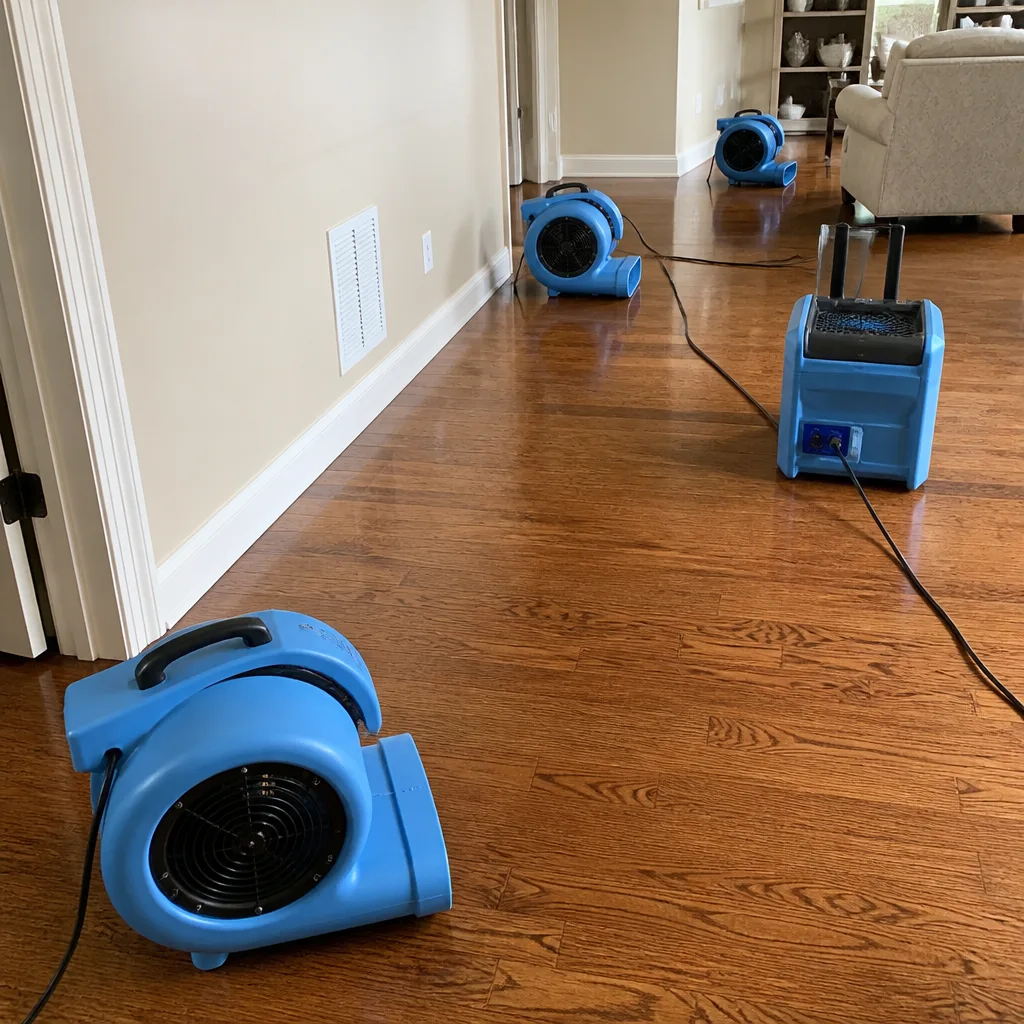
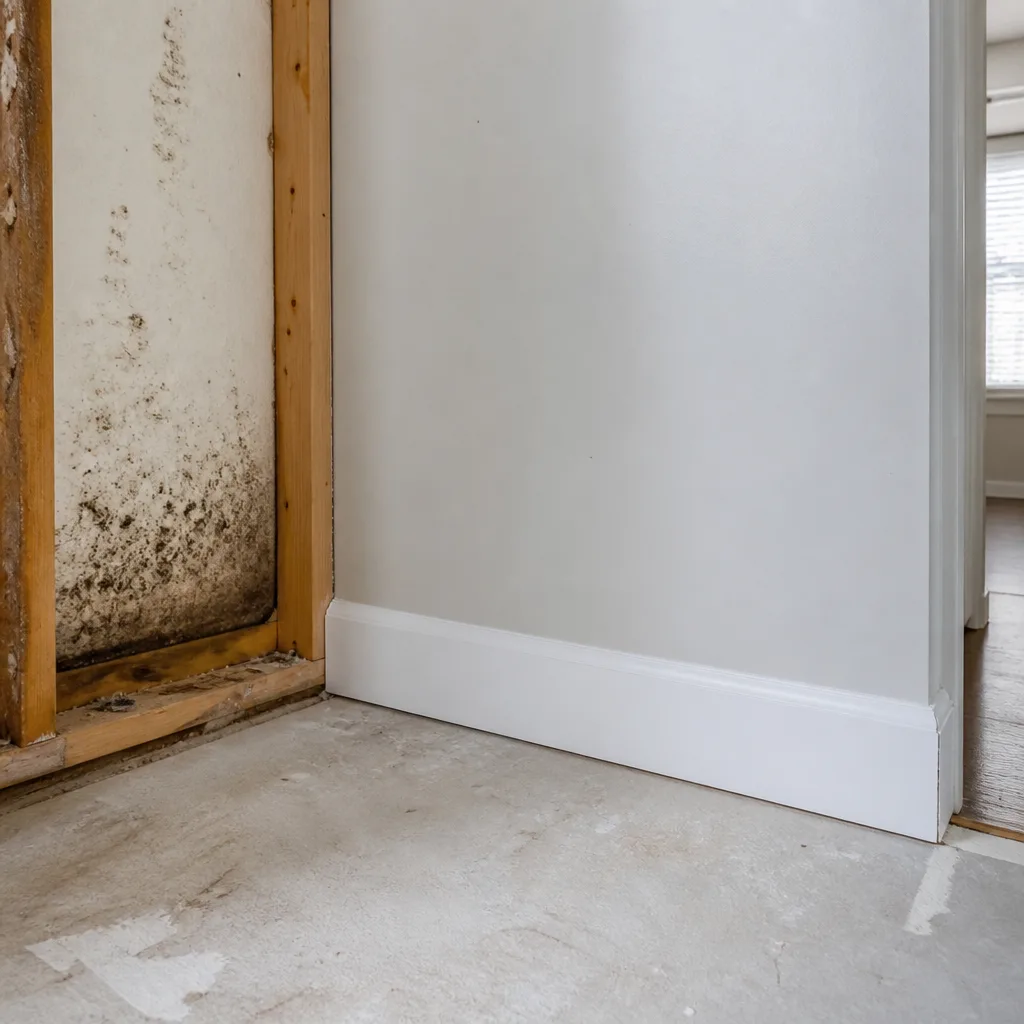

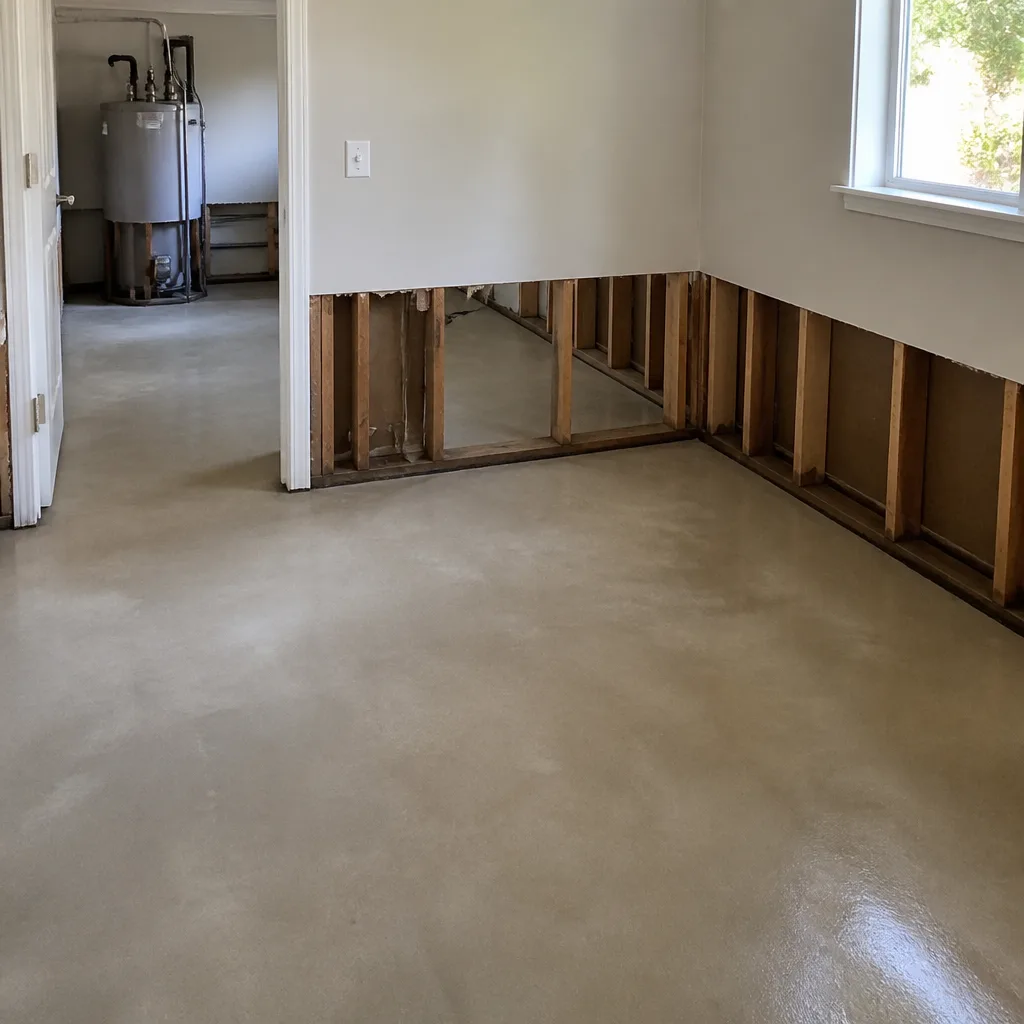

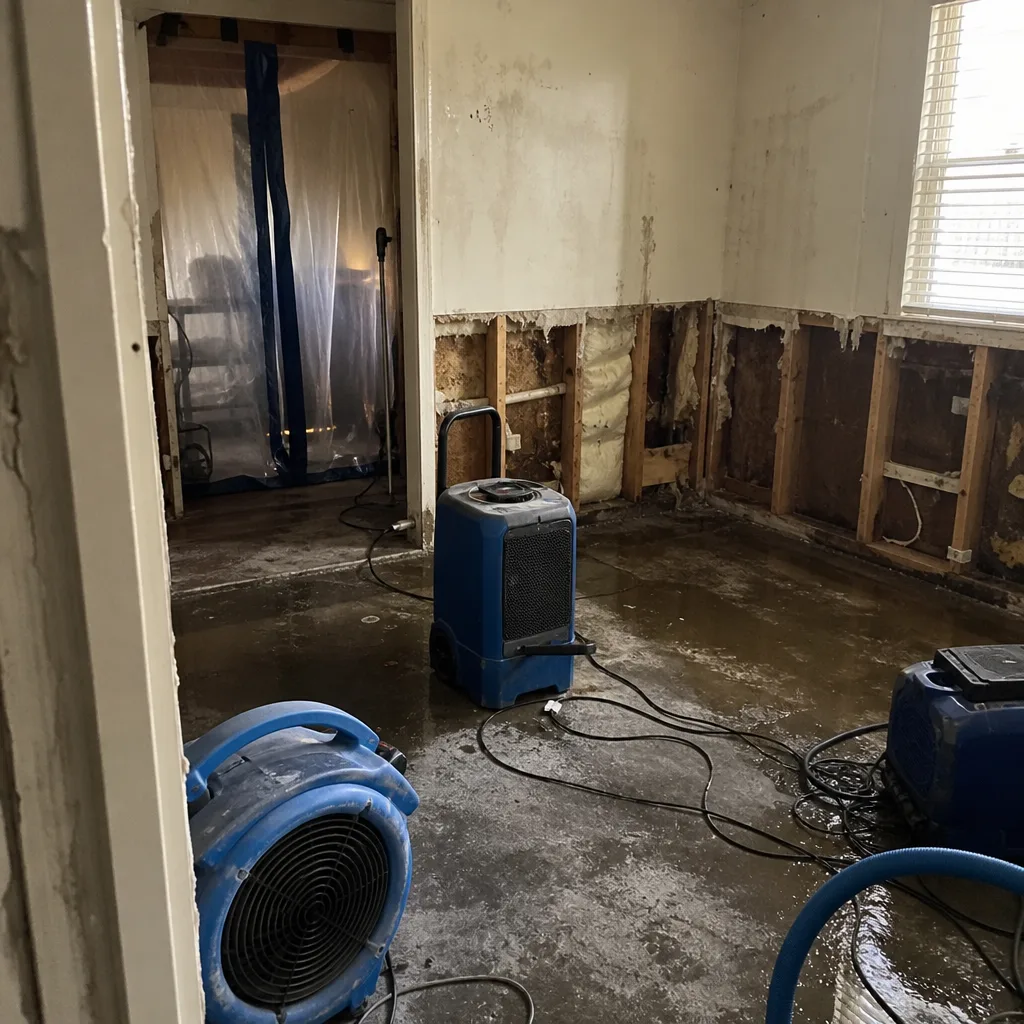 Before
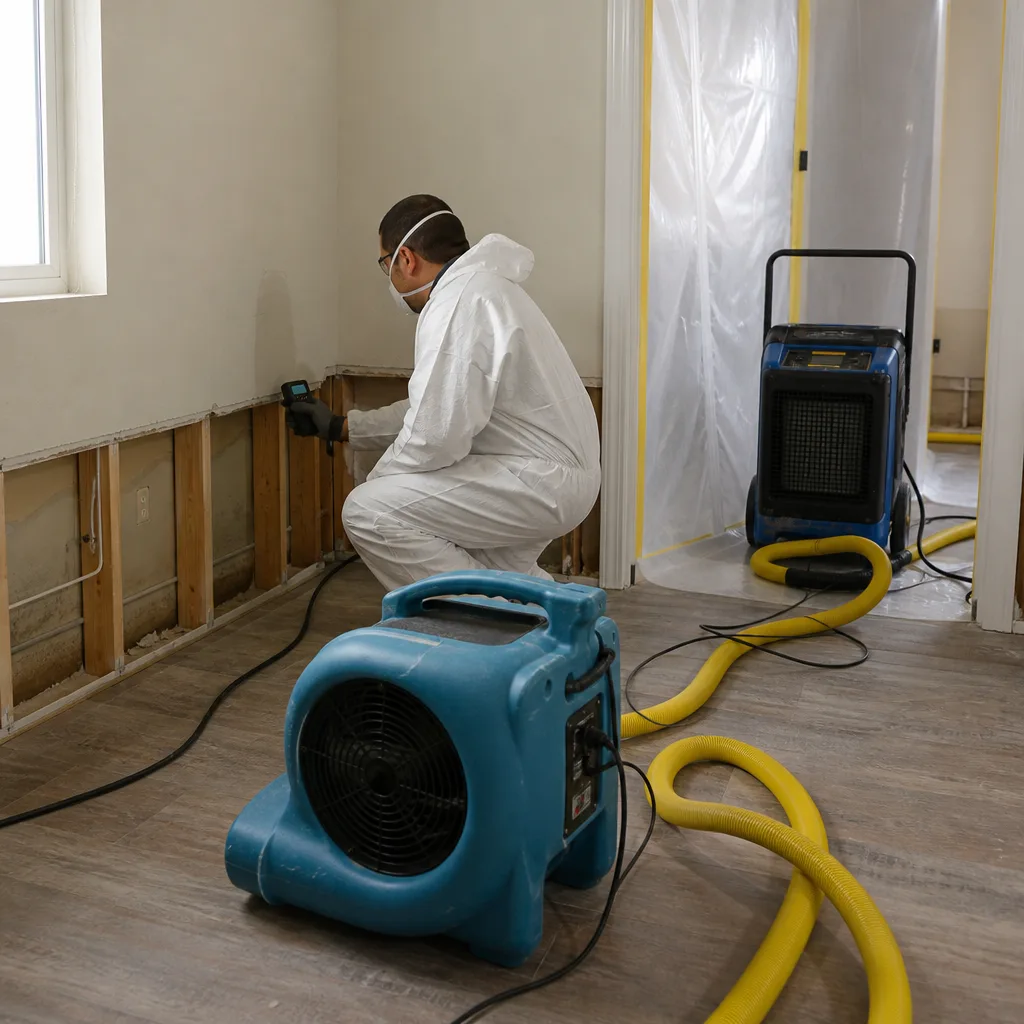 After
After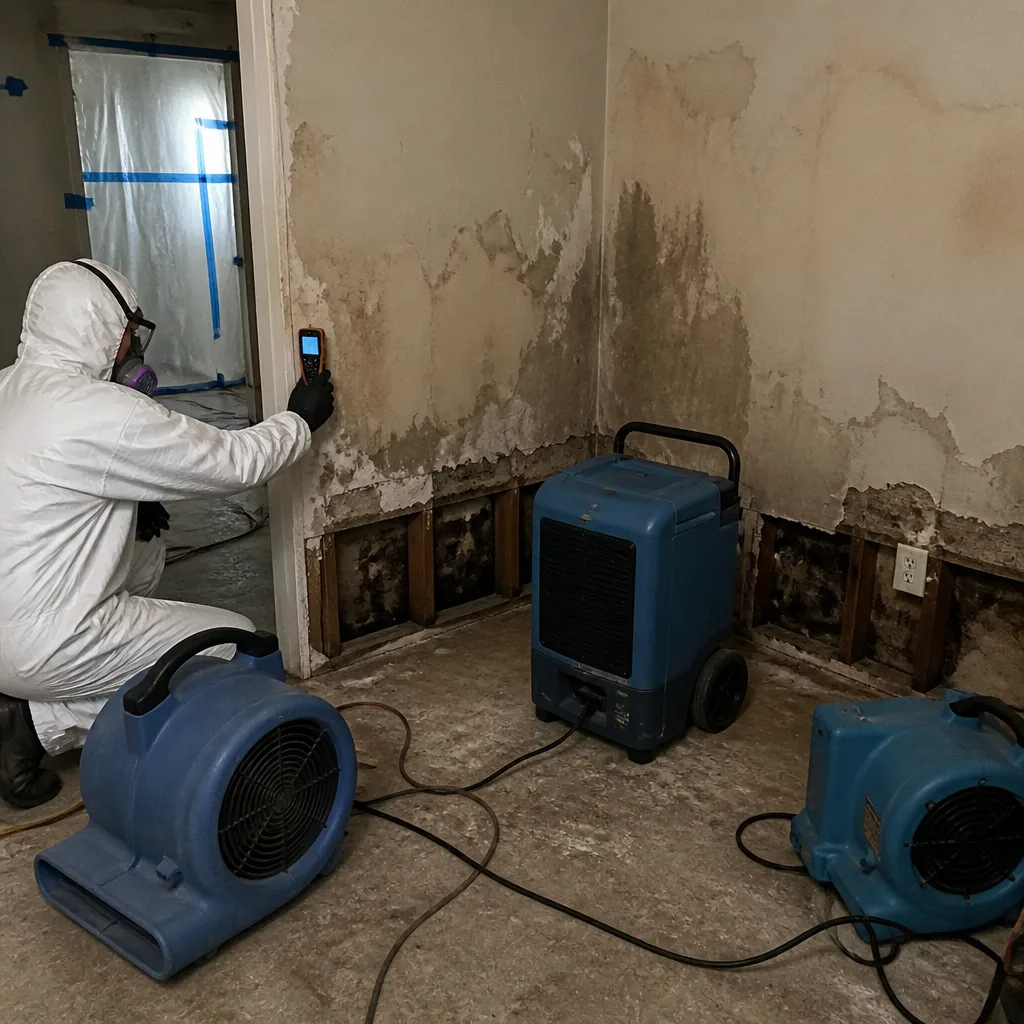 Before
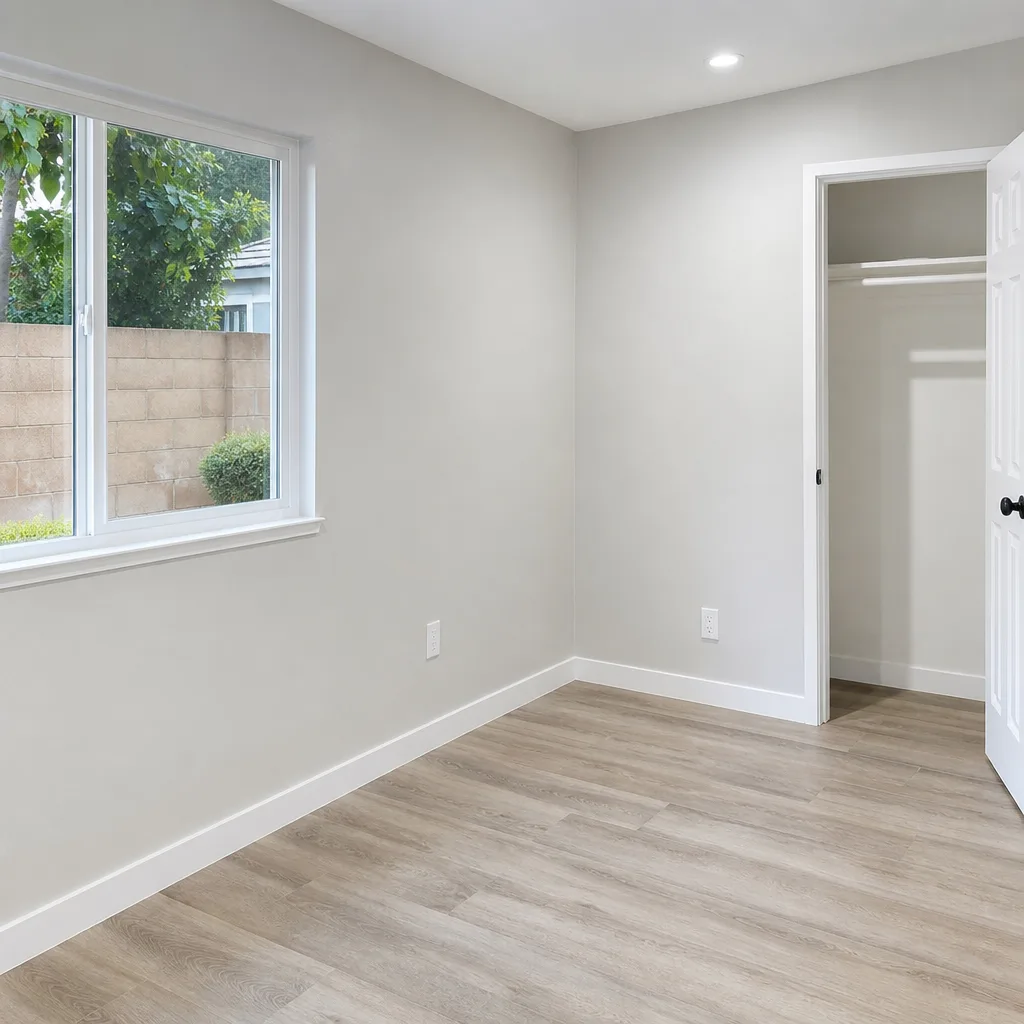 After
After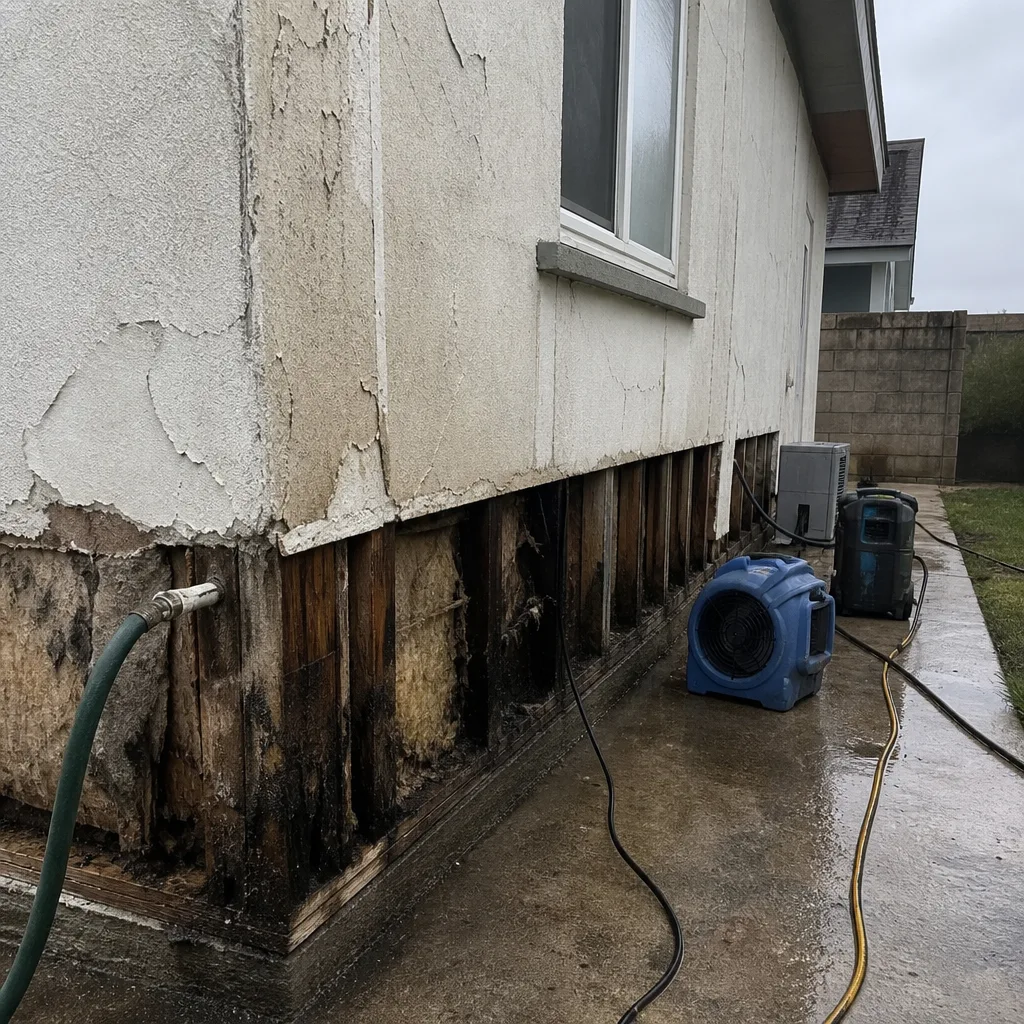 Before
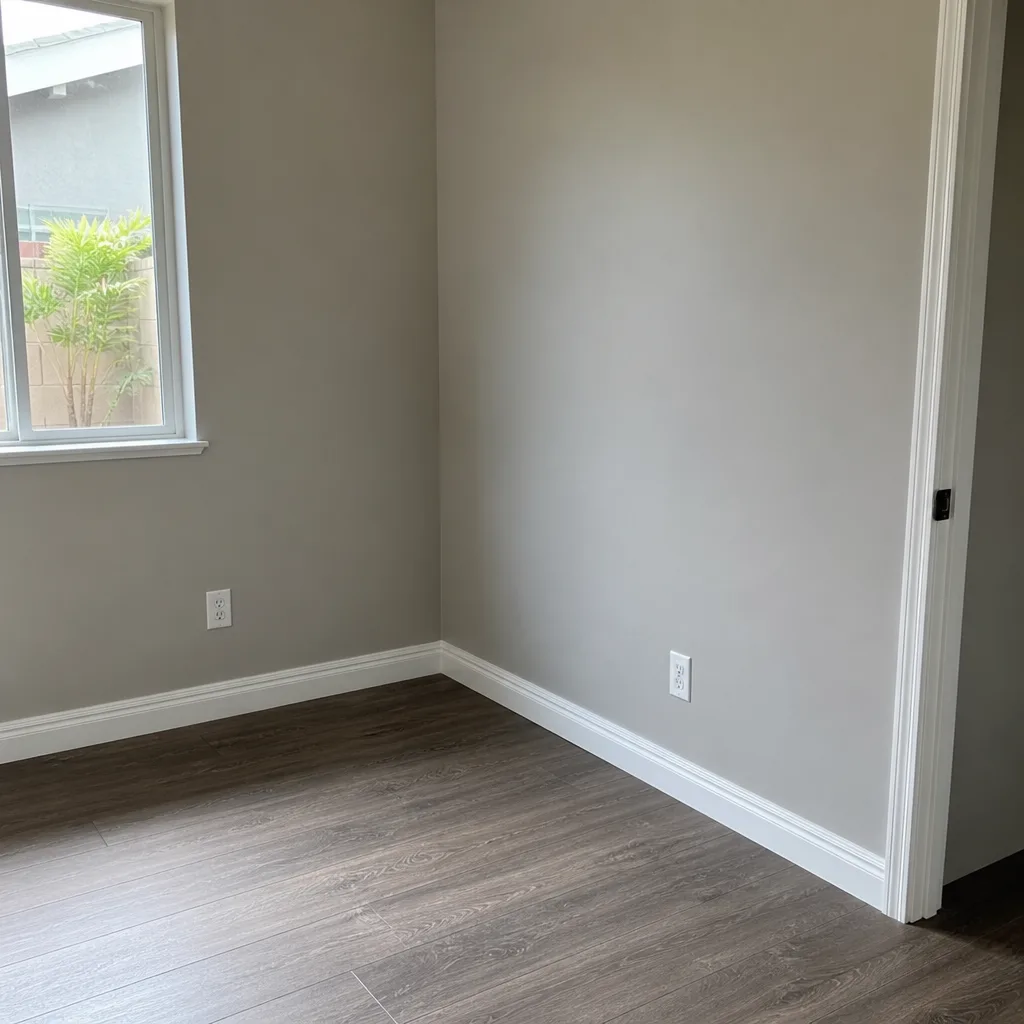 After
AfterDamage Restoration Permits, Codes & Inspections in CA: What You Need to Know
Santa Ana code enforcement can red-tag a completed restoration job if structural drying required removing more than one layer of drywall and no permit was pulled - meaning a finished room can be legally ordered open again at the homeowner’s expense. We’ve seen it happen twice in the last three years on homes in the Floral Park and Washington Square neighborhoods, both times during pre-sale inspections that uncovered unpermitted restoration work from prior water losses. This guide maps the specific thresholds that convert “repair” into “alteration” under the California Residential Code and Santa Ana Municipal Code, the documentation that proves compliance, and the mistakes that leave homeowners holding the cost of rework. For Damage Restoration Warning Signs: A Santa Ana Homeowner’s Reference Guide, see our companion post.
Quick Answer
Most water damage repairs under 200 square feet of affected drywall and involving no structural, electrical, or plumbing changes do not require a permit in Santa Ana. Once work crosses into load-bearing wall exposure, multi-layer drywall removal, or any electrical or plumbing disturbance, a permit becomes mandatory under California Residential Code Section R105.1, with emergency work allowed for 48 hours before documentation must be filed with the Authority Having Jurisdiction.
Table of Contents
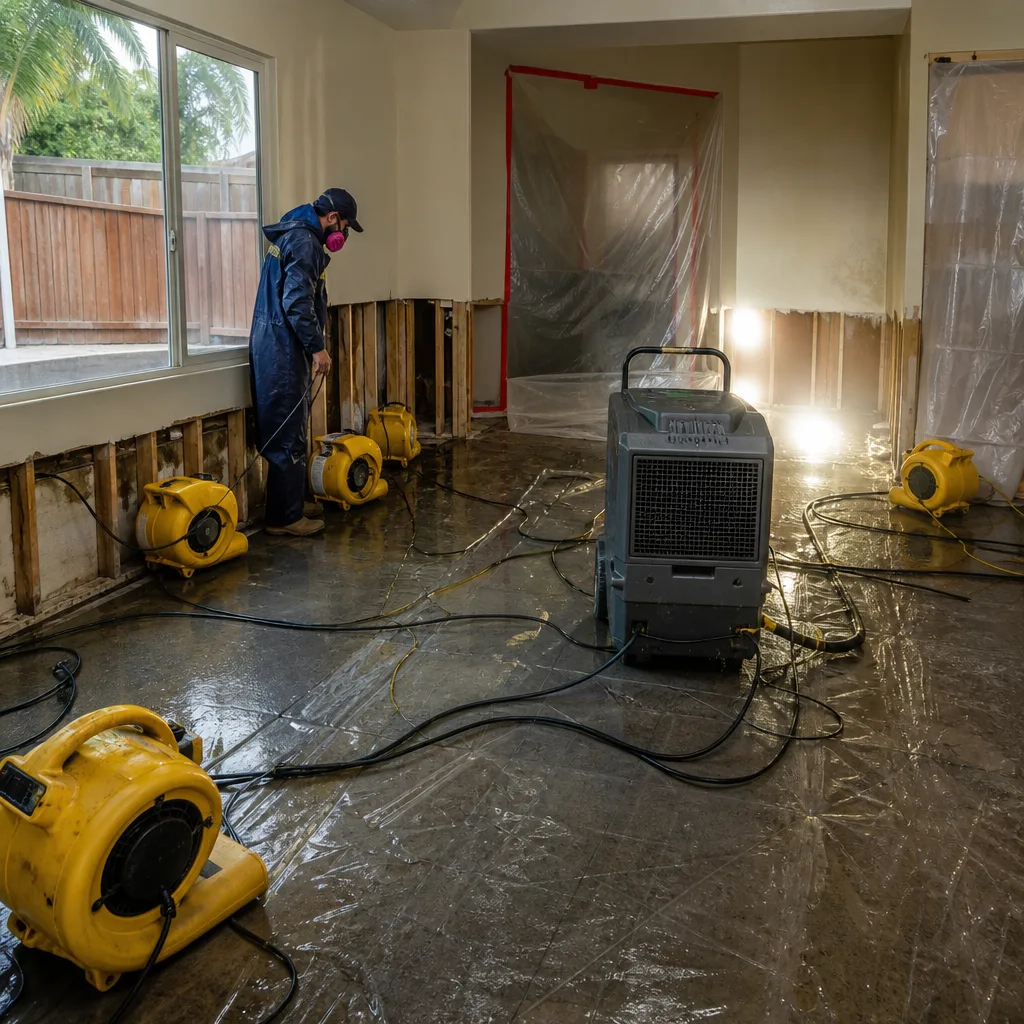
- When Permits Are Required for Restoration Work
- Emergency Work Authorizations: The 48-Hour Rule
- Mold Remediation Permits vs. Water Damage Permits
- The Inspection Process in Orange County
- How Unpermitted Work Affects Title Insurance and Resale
- What to Request from Your Contractor
- Permit Costs and Timeline in Santa Ana
- Common Mistakes to Avoid
BeforeAfterWhen Permits Are Required for Restoration Work
The California Residential Code draws a sharp line between “repair” and “alteration,” and restoration contractors who don’t know the difference leave their customers exposed. Before starting any project, consider whether DIY vs Professional Damage Restoration: The Santa Ana Homeowner’s Decision Guide fits your situation. Understanding these thresholds before work begins is the difference between a closed claim and a red-tagged room.
The 200-Square-Foot Drywall Threshold
Under CRC Section R105.2, minor repairs to existing structures are exempt from permit requirements. The practical boundary we’ve observed across Orange County jurisdictions: one layer of drywall removed from a single plane, affecting 200 square feet or less, with no structural members exposed. Remove a second layer, open a ceiling that reveals joists, or exceed that square footage in a single room, and you’ve crossed into permit territory.
In Santa Ana’s older housing stock - particularly the pre-1970s homes in Heninger Park and Logan neighborhoods - lath-and-plaster walls often require removal down to the studs to achieve proper drying. That single decision, necessary for moisture remediation, triggers the permit requirement because it exposes structural framing and exceeds the repair exemption.
Structural Member Exposure
Any work that exposes, modifies, or replaces load-bearing elements requires a permit. This includes:
- Wall framing studs in load-bearing walls, identified by perpendicular joist orientation above
- Floor joists or subfloor removal exceeding 32 square feet in any single area
- Roof trusses or ceiling joists exposed during drying or reconstruction
- Foundation sill plates or anchor bolts disturbed during water damage restoration in Santa Ana
The Santa Ana Municipal Code, Title 22, Chapter 2, adopts the CRC by reference but adds specific requirements for seismic bracing documentation when structural repairs are made in Zone 4 earthquake areas. Most of Santa Ana falls within this enhanced documentation zone.
Electrical and Plumbing Disturbance
Even minor electrical work triggered by restoration requires permitting: relocating outlets, replacing flooded electrical panels, or running new circuits to restored areas. Plumbing permits are required for any supply line replacement, drain line modification, or water heater relocation.
We’ve documented jobs in the Morrison Park area where a simple water heater pan replacement after a leak turned into a full plumbing permit because the replacement unit was a different capacity, triggering California Energy Code compliance verification. The homeowner’s prior contractor had skipped this step; we found it during our moisture mapping and included it in our written scope under Haven Standard, Clause 1.
Fire and Smoke Damage Specifics
Fire damage restoration almost always requires permits due to the extent of structural involvement. Even “minor” kitchen fires typically require:
- Electrical permit for circuit verification and outlet replacement in affected circuits
- Mechanical permit for HVAC duct cleaning or replacement when smoke infiltration exceeds 10 linear feet of ductwork
- Building permit for any structural member charring deeper than 1/4 inch or any member requiring replacement
The Orange County Fire Authority requires a separate fire damage assessment report before permits will be issued for fire restoration work, documenting that all compromised materials have been identified and the structure is safe for re-occupancy.
Emergency Work Authorizations: The 48-Hour Rule
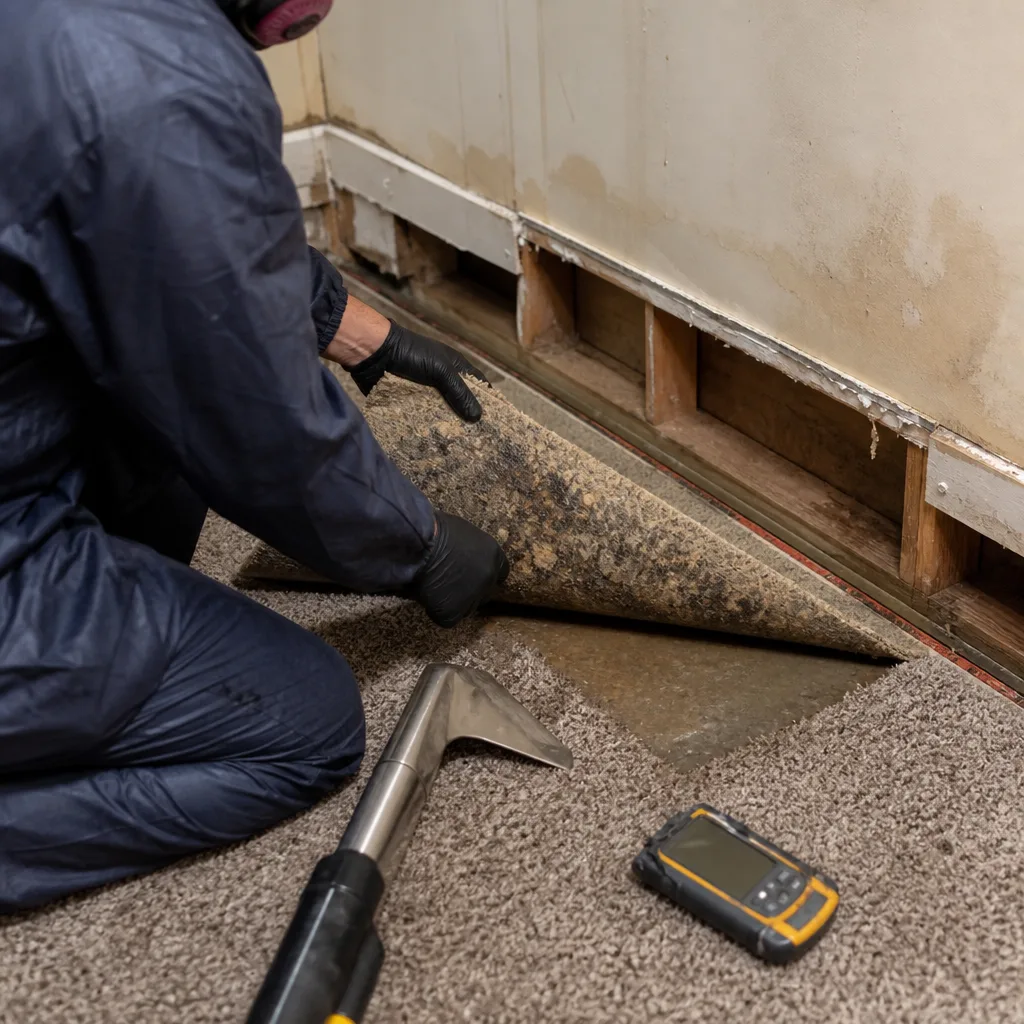
Water doesn’t wait for business hours, and California code recognizes this. The emergency work authorization provision allows contractors to perform immediately necessary work to prevent structural damage, mold growth, or safety hazards before a permit is formally issued. But the window is narrow, and documentation requirements are strict.
What Qualifies as Emergency Work
Under California Government Code Section 65850.2, emergency work includes:
- Water extraction and initial structural drying to prevent secondary damage
- Removal of saturated materials that pose immediate collapse or electrical hazards
- Temporary weatherproofing after storm or fire damage
- Board-up and securing of fire-damaged structures
The key distinction: emergency authorization covers mitigation, not reconstruction. You can remove wet drywall and set drying equipment under emergency provisions. You cannot install new drywall, replace flooring, or complete electrical repairs without the permit.
The 48-Hour Documentation Window
Orange County’s AHJ, which includes the Santa Ana Building Division, requires specific documentation within 48 hours of emergency work commencement:
- Written notification to the building official describing the emergency condition, work performed, and property address
- Photographic documentation of the emergency condition before work begins, showing the hazard that justified immediate action
- Written scope of proposed permanent repairs, with permit application submitted concurrently or within the 48-hour window
- Contractor license number and proof of insurance on file with the jurisdiction
We’ve handled emergency responses in the Delhi neighborhood where a slab leak saturated three rooms at 2 AM. Our crew extracted water, removed baseboards and drywall to 24 inches, and deployed Phoenix 200 HT dehumidifiers and Dri-Eaz AirWolf axial fans within four hours. By 9 AM the same day, our documentation package was submitted to Santa Ana Building Division with permit application attached. The emergency work was protected; the permanent repairs were properly permitted.
Miss that 48-hour window, and the emergency exemption evaporates. Work performed becomes unpermitted, subject to penalties, and potentially required to be removed for inspection.
Mold Remediation Permits vs. Water Damage Permits
This is where most homeowners and many contractors get tangled. Mold remediation permits are separate from, and in addition to, water damage permits. They operate under different authorities with different standards and different documentation requirements.
CDPH Guidelines and Local Implementation
The California Department of Public Health does not issue mold remediation permits directly. Instead, CDPH provides guidelines that local jurisdictions adopt and enforce through their environmental health divisions. In Orange County, this means:
- Water damage permits: issued by city building departments (Santa Ana Building Division)
- Mold remediation permits: issued by Orange County Health Care Agency, Environmental Health Division, for projects exceeding 100 square feet of visible mold or any HVAC contamination
The 100-square-foot threshold is critical. Below it, mold remediation can proceed under contractor license with proper containment and disposal documentation. At or above it, a Mold Remediation Work Plan must be filed with Orange County Environmental Health, including:
- Project description with affected square footage, material types, and moisture source identification
- Containment plan with negative air pressure specifications and air filtration device CFM ratings
- Worker protection plan meeting Cal/OSHA requirements for respirator fit testing and protective equipment
- Post-remediation verification protocol, including clearance sampling methodology and laboratory accreditation
Clearance Testing Requirements
CDPH guidelines require clearance testing by an independent third party, not the remediation contractor, for all permitted mold projects. The clearance protocol includes:
- Visual inspection confirming no visible mold, dust, or debris in remediated areas
- Air sampling comparing indoor spore counts to outdoor baseline, with indoor counts not exceeding outdoor levels for target species
- Surface sampling in representative locations if visible inspection is inconclusive
- Written clearance report with laboratory certification, chain of custody documentation, and inspector credentials
We coordinate this process for our mold remediation in Santa Ana clients, but we never perform our own clearance testing. That’s a conflict of interest that invalidates documentation for insurance purposes and violates CDPH guidance. Our role ends at thorough remediation; the clearance inspector’s role begins with independent verification.
In the Meredith Parkwood area, we completed a 340-square-foot attic mold remediation where the prior contractor had self-cleared. The homeowner’s insurance adjuster rejected the claim payment because the clearance lacked independence. We performed full remediation under a new work plan, engaged a certified industrial hygienist for clearance, and delivered documentation the adjuster accepted without challenge. The drying logs, photo record, and independent clearance were all documented to IICRC S520 and RIA standards.
The Inspection Process in Orange County
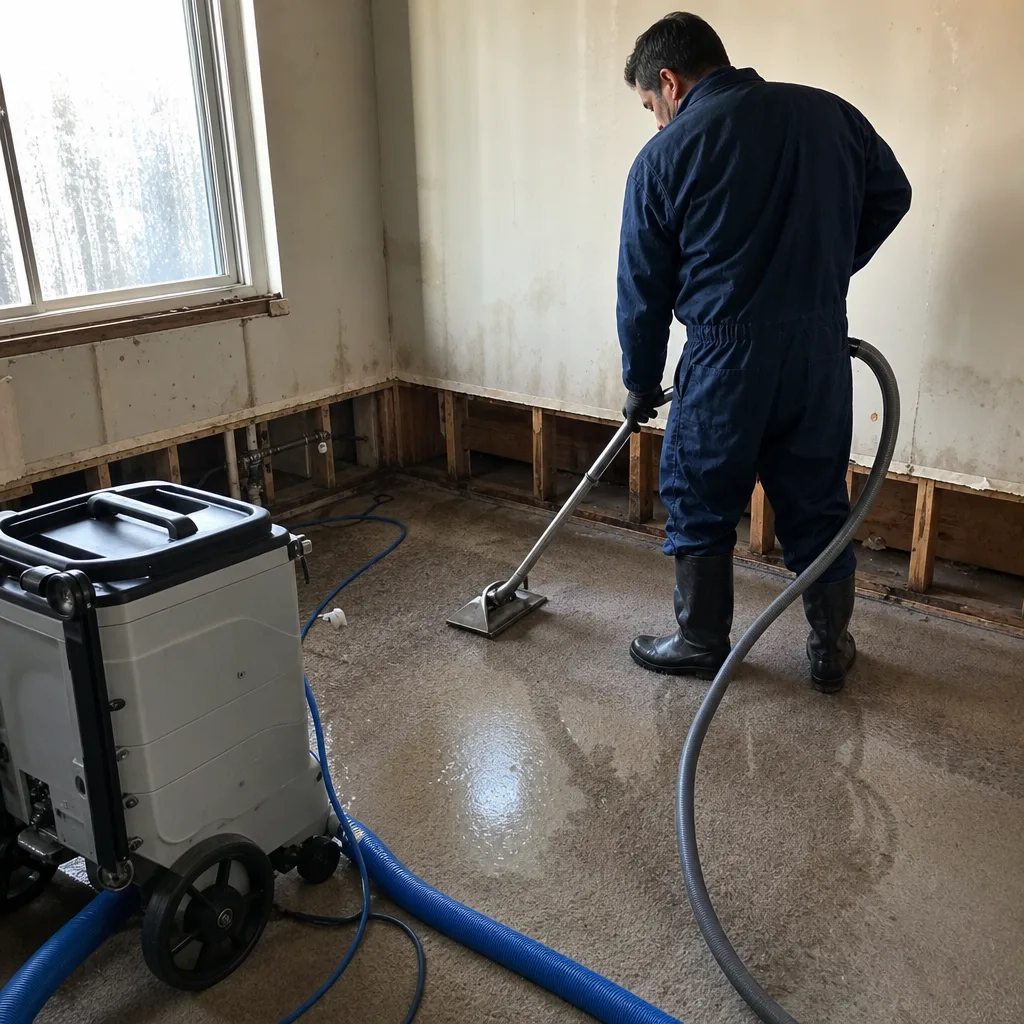
Permits are only as good as the inspections that verify compliance. Orange County’s inspection workflow for restoration work follows a predictable sequence, but timing and documentation requirements vary by project type.
Inspection Sequence for Water Damage Restoration
When permits are required for water damage repairs, the typical inspection schedule is:
- Rough inspection: After structural repairs are complete but before insulation and drywall. Inspector verifies framing, plumbing, and electrical rough-in. For drying-related work, this includes verification that moisture content in wood framing is below 16% per ASTM D4442.
- Insulation inspection: Required when new insulation is installed in exterior walls or ceilings. Inspector verifies R-value matches or exceeds original construction per Title 24 energy standards.
- Final inspection: After all finishes are complete. Inspector verifies code compliance of all installed systems, egress requirements, and smoke/CO detector placement.
Santa Ana Building Division offers next-business-day inspection scheduling for residential restoration work when called in by 3 PM. Emergency inspections for habitability issues can be arranged same-day through the duty inspector line.
Fire Restoration Inspection Complexity
Fire restoration involves additional inspections beyond the building sequence:
- Fire Authority re-inspection confirming all damaged materials were removed and fire cause is addressed
- Electrical inspector verification of all circuits in fire-affected areas, including megohm testing for wire insulation integrity
- Mechanical inspector verification of HVAC replacement or cleaning, with duct leakage testing for systems with more than 40 linear feet of modified ductwork
The multi-inspector coordination is why fire restoration permits typically take 10-14 business days from application to final sign-off, compared to 5-7 days for water damage permits.
What Inspectors Actually Check
Having accompanied inspectors on hundreds of restoration-related inspections since 2011, we can state what matters: documentation that matches what they see. The inspector’s record card must align with the permit application scope. The work in place must match the approved plans. The contractor’s license must be current and in good standing.
Inspectors in Santa Ana specifically verify that moisture-damaged structural members have been replaced rather than covered. We’ve seen failed inspections where contractors attempted to dry-in-place studs with residual moisture content of 22%, above the 16% threshold for mold susceptibility. Our documentation includes psychrometric data - temperature, relative humidity, and vapor pressure differential readings - that prove materials were dry enough to close.
How Unpermitted Work Affects Title Insurance and Resale
This is the hidden cost that doesn’t appear until years later, typically when the homeowner is already under contract to sell. California Civil Code Section 1102 requires disclosure of material facts affecting property value, and unpermitted restoration work qualifies.
Resale Disclosure Obligations
Sellers must disclose on the Transfer Disclosure Statement:
- Any room additions, structural modifications, or other alterations made without required permits
- Any work performed without required final inspection approval
- Any notice of violation or pending code enforcement action
Failure to disclose exposes the seller to post-sale liability, including rescission of the sale or damages for fraud. We’ve been called to document prior restoration work for disclosure purposes on homes in the Floral Park historic district, where buyers’ inspectors flagged unpermitted bathroom renovations that included water damage repairs from a 2019 loss.
Title Insurance Complications
Title insurance policies increasingly exclude coverage for losses arising from unpermitted work discovered after closing. The standard CLTA policy contains an explicit exception for “violations of environmental protection laws, building codes, or zoning ordinances.” Extended coverage policies may cover permitting issues, but only if the work was performed before the policy date and the insurer had no notice of the defect.
For homeowners, this means unpermitted restoration work from years prior can become an uninsured liability that blocks sale or forces price reduction. In Santa Ana’s competitive market, where median home prices exceed $750,000, a $15,000 permit correction can cost $50,000 in delayed or lost sales.
The Permit History Search
Savvy buyers and their agents now search permit history through city online portals before making offers. Santa Ana’s permit lookup system shows all permits issued since 1990, including permit type, issue date, and final inspection status. A water damage restoration from 2021 with no corresponding permit raises immediate questions about what else was done without oversight.
We provide permit documentation as a standard deliverable on every permitted job: permit number, inspection record card with all sign-offs, and final approval documentation. These three items transfer with the property and protect resale value.
What to Request from Your Contractor
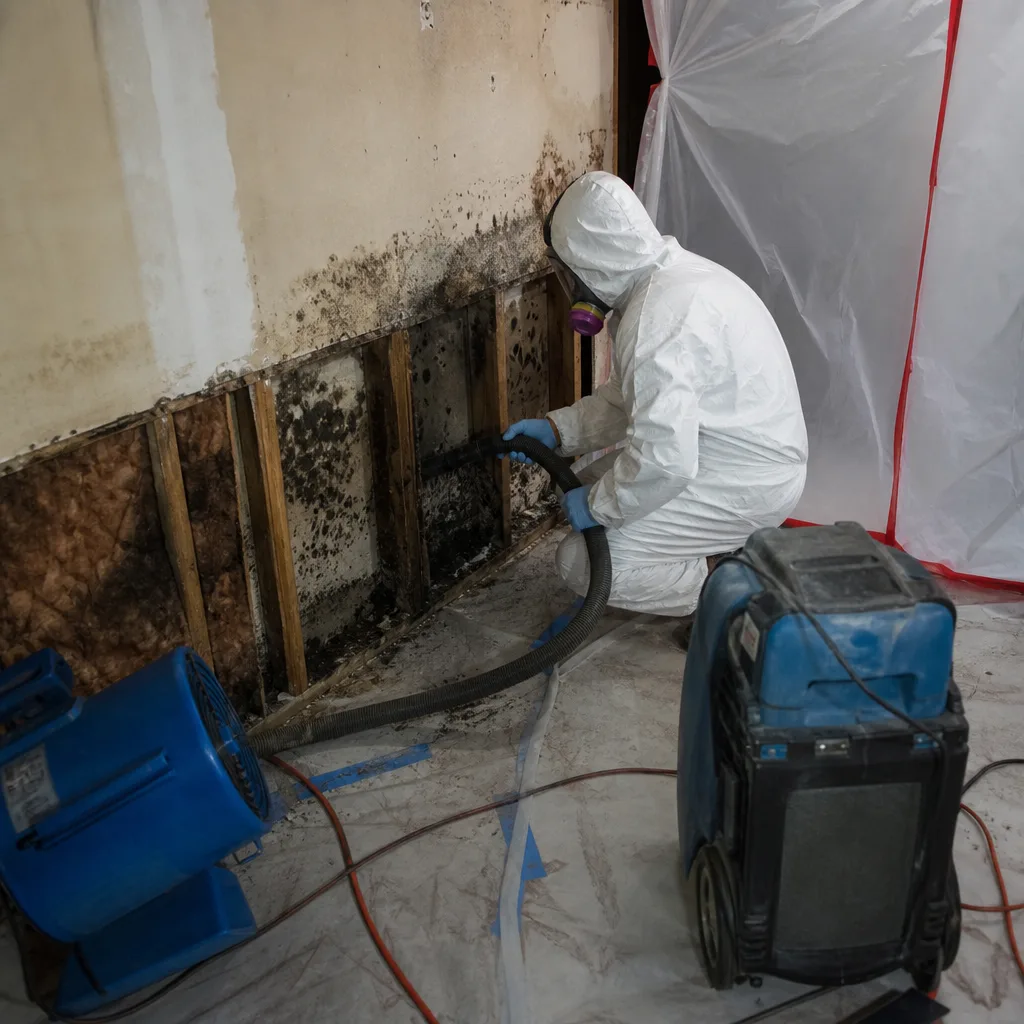
The documentation gap that costs homeowners their claims is the same gap that leaves them exposed on permits. Specific items, requested at specific times, prevent problems.
Before Work Begins: The Three Permit Documents
Request and receive before any restoration work starts:
- Permit application confirmation: Not “we’ll pull it” - the actual application number from the jurisdiction’s online system or stamped receipt. Verify it yourself if possible.
- Written scope tied to permit: The work description on the permit application must match the written scope of work in your contract. Discrepancies indicate either incomplete permitting or scope inflation.
- Contractor license verification: Confirm active status at cslb.ca.gov. The license classification must match the work: B-General for structural, C-36 for plumbing, C-10 for electrical. A single water damage restoration may involve multiple license classes; verify who’s performing each scope.
During Work: The Inspection Record
The inspection record card, sometimes called the “green tag” or “job card,” is the running documentation of inspector visits. Request copies after each inspection:
- Rough inspection sign-off with date and inspector ID
- Any correction notices with resolution documentation
- Final inspection approval with signature and date
We photograph the inspection record card at each milestone and include it in our job documentation. When a Santa Ana homeowner needed to prove code compliance for a 2022 insurance re-inspection, we produced the complete card with three inspection passes in seven business days.
At Completion: The Final Package
The complete permit documentation package includes:
- Permit application and approved plans
- All inspection records with final approval
- Certificate of Occupancy or equivalent final sign-off for habitability restoration
- Contractor’s final invoice with permit costs itemized
This package is what transfers to the next owner, what satisfies the title company, and what proves compliance if the insurance company questions the work years later. Browse our more guides & resources for additional homeowner protection strategies. We deliver it as a bound document on every permitted job, not as an afterthought.
Permit Costs and Timeline in Santa Ana
Permit costs are not standardized across California; each jurisdiction sets its own fee schedule. Santa Ana’s fee structure for restoration-related permits, current as of our last permit pull:
| Permit Type | Base Fee | Valuation-Based Fee | Typical Total | Timeline |
|---|---|---|---|---|
| Water damage repair (building only) | $185 | $7.50 per $1,000 of work value | $260-$485 | 5-7 business days |
| Water damage with electrical | $185 + $95 | $7.50 + $4.50 per $1,000 | $380-$620 | 7-10 business days |
| Water damage with plumbing | $185 + $110 | $7.50 + $5.00 per $1,000 | $395-$650 | 7-10 business days |
| Fire restoration (multi-trade) | $185 + $95 + $110 | Combined valuation fees | $550-$1,200 | 10-14 business days |
| Mold remediation (>100 sq ft) | $0 (county health) | $285 plan review fee | $285 | 3-5 business days |
These costs are typically recoverable under standard homeowners insurance policies as “reasonable and necessary” expenses of loss mitigation and repair, but only with documentation. We itemize permit costs separately on every invoice and include permit receipts in our photo documentation package.
Timeline factors specific to Santa Ana: the Building Division at 20 Civic Center Plaza processes permits in received order, with expedited review available for habitability emergencies at 1.5x base fee. Plan check for complex fire restorations goes to an outside firm, adding 3-5 days. Holiday weeks and post-storm periods can extend timelines by 50% or more.
Common Mistakes to Avoid
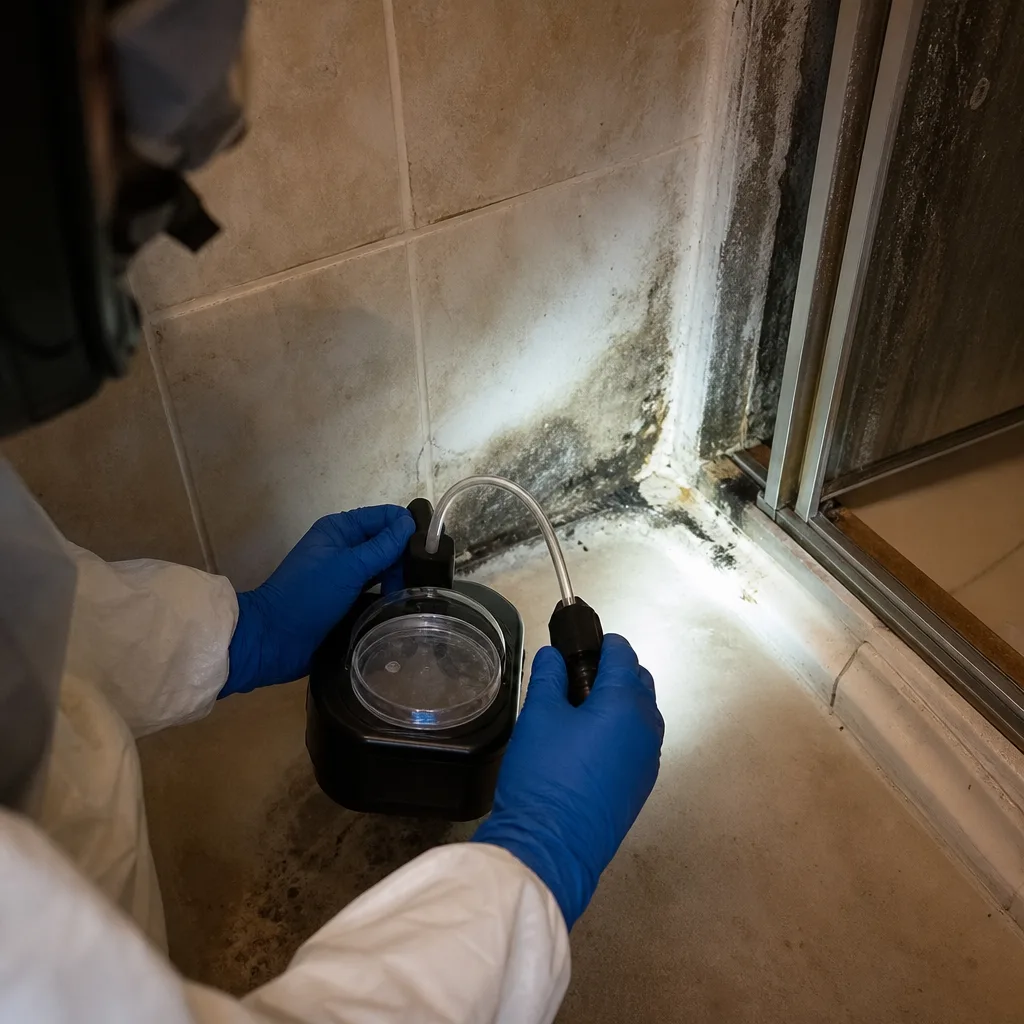
- Assuming emergency work needs no follow-up permit. The 48-hour emergency authorization protects initial mitigation only. Permanent repairs require full permitting, and the clock starts when the first fan is plugged in, not when reconstruction begins.
- Letting the contractor handle permits without verification. “We’ll take care of it” is not documentation. Verify the permit application yourself through the city’s online system; we’ve encountered contractors who pulled permits for different scopes or different properties.
- Ignoring mold permit thresholds. A 150-square-foot mold job without Orange County Environmental Health approval is a health code violation, not just a building code issue. The distinction matters for insurance coverage and future liability.
- Failing to match insurance scope to permit scope. Insurance adjusters write scopes based on visible damage. Building departments permit based on code requirements. When the permit requires more extensive work than the insurance scope - common with fire restoration and electrical upgrades - the homeowner pays the gap unless both scopes are reconciled before work starts.
- Discarding permit documentation after completion. Keep permits with your property records permanently. Santa Ana’s online system goes back to 1990; earlier records require in-person archive requests. Paper permits from the 1980s and 1990s are the only proof of compliance for many homes.
- Not disclosing unpermitted work when selling. California Civil Code 1102 creates affirmative disclosure duties. “I didn’t know” is not a defense if a reasonable inspection would have revealed the work. Obtain permit history before listing and disclose proactively.
When to Call a Professional
Call a licensed restoration contractor when water, fire, or mold damage exposes structural framing, affects more than one trade, or exceeds the repair exemption thresholds. In Santa Ana, where building department scrutiny is consistent and resale disclosure standards are strict, professional permit management protects both immediate claim recovery and long-term property value.
DryMark Restoration Santa Ana offers free estimates in Santa Ana - call (657) 300-9903. Every estimate includes permit requirement assessment, written scope of work, and itemized pricing before any work begins under Haven Standard, Clause 1. We handle permit applications, inspection scheduling, and documentation delivery as standard practice, not add-on services.
Frequently Asked Questions
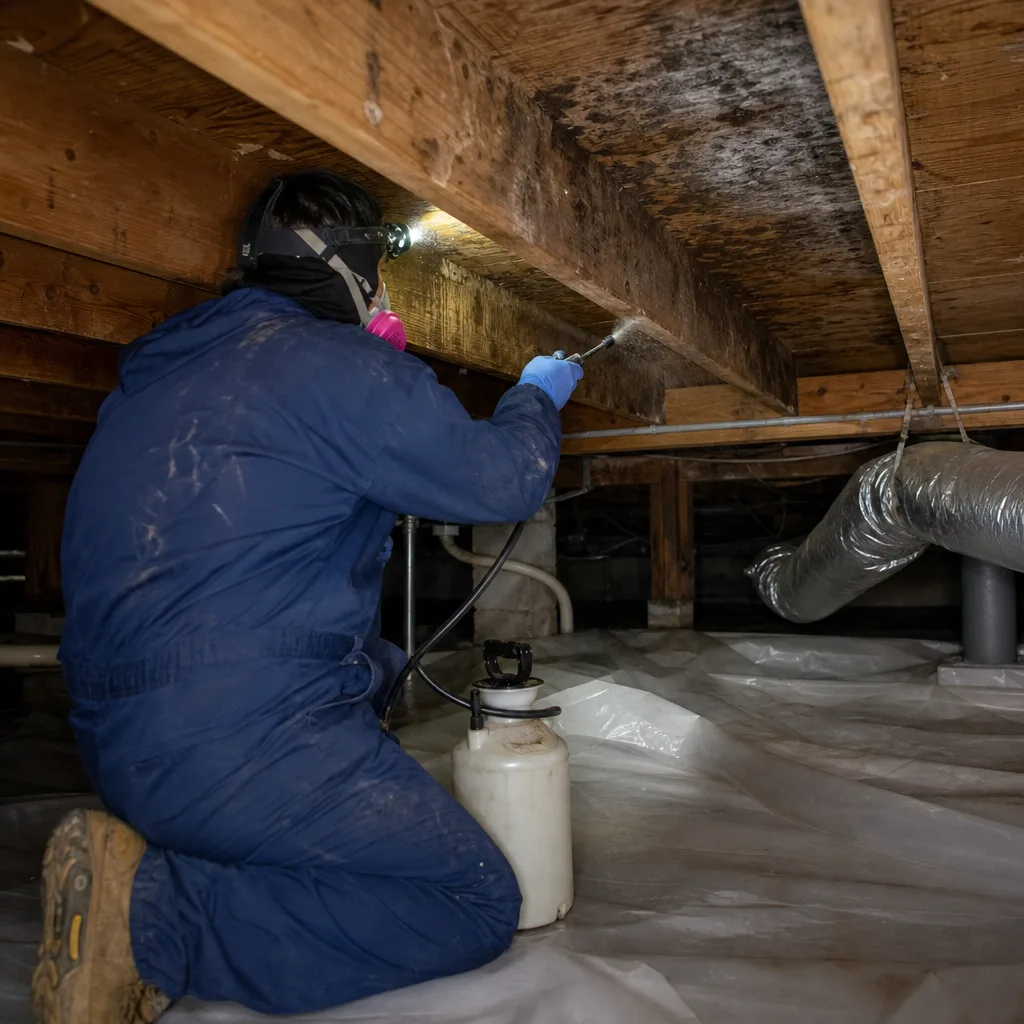
You need a permit when water damage repair removes more than one layer of drywall, exposes load-bearing structural members, or involves electrical or plumbing work. Single-layer drywall removal under 200 square feet with no systems affected typically qualifies as exempt repair under California Residential Code R105.2. Call (657) 300-9903 for a free assessment of your specific situation - estimates are free.
Emergency work can begin immediately to prevent further damage, but written notification to the building official and permit application must follow within 48 hours. The exemption covers mitigation only - water extraction, damaged material removal, and temporary stabilization. Permanent repairs require permit approval before proceeding. Our crews document emergency conditions with photographs before touching anything, protecting both the emergency authorization and your insurance claim.
Standard homeowners policies typically cover permit costs as part of “reasonable and necessary” repair expenses, but only with documentation that permits were actually required and properly obtained. Itemized permit receipts must accompany the contractor’s invoice. We separate permit costs on every estimate and include jurisdiction receipts in our standard documentation package so nothing is buried or questioned.
Water damage permits are building permits issued by city building departments for structural, electrical, and plumbing repairs. Mold remediation permits are health permits issued by Orange County Environmental Health for projects exceeding 100 square feet of visible mold or any HVAC contamination. They operate under different authorities with different documentation requirements, and both may be required for the same loss. We coordinate both permit tracks on jobs requiring mold remediation in Santa Ana.
Search Santa Ana’s permit history online at the Building Division portal using your property address. Permits issued since 1990 are searchable; earlier records require archive request. Look for permit types including “Repair,” “Alteration,” or “Restoration” with dates matching known losses. Missing permits for known work should be investigated before listing for sale - we provide permit history research as part of our Free Second Opinion on any written estimate.
California Civil Code 1102 requires disclosure of unpermitted work as a material fact affecting property value. Failure to disclose exposes you to post-sale liability including rescission or fraud damages. Title insurance may exclude coverage for losses from code violations. Buyers increasingly discover unpermitted work through pre-sale permit searches, forcing price reductions or deal cancellations. The cost of retroactive permitting typically far exceeds what proper permitting would have cost originally.
The Bottom Line
Permit compliance in California restoration isn’t bureaucratic box-checking - it’s documentation that protects insurance recovery, property value, and future saleability. The critical thresholds are specific: 200 square feet of drywall, one layer removed, no structural or systems exposure. Cross any of those lines, and permitting becomes mandatory. The 48-hour emergency authorization keeps mitigation moving, but permanent repairs require proper documentation. The three items that prove compliance - permit number, inspection record card, final sign-off - are what we deliver on every permitted job, because a restoration invoice without proof of code compliance is a claim waiting to be challenged.
Written by Alicia Brennan, Owner at DryMark Restoration Santa Ana, serving Santa Ana since 2011.