
Last updated September 23, 2026
Free visual inspection and a written scope of work before any mitigation begins - photos, moisture readings, and drying logs go in your claim file
The scope we write is the scope we bill. Anything new gets shown to you, in writing, before we touch it.
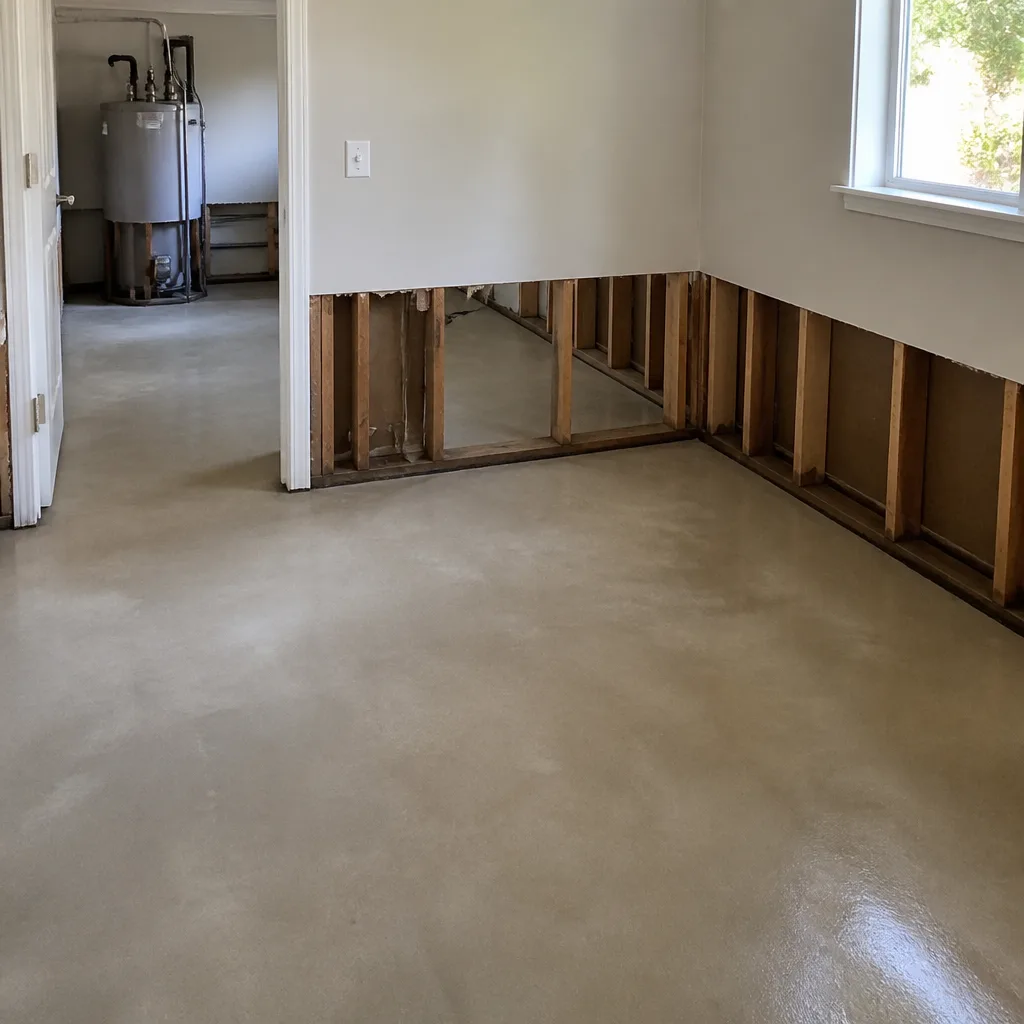
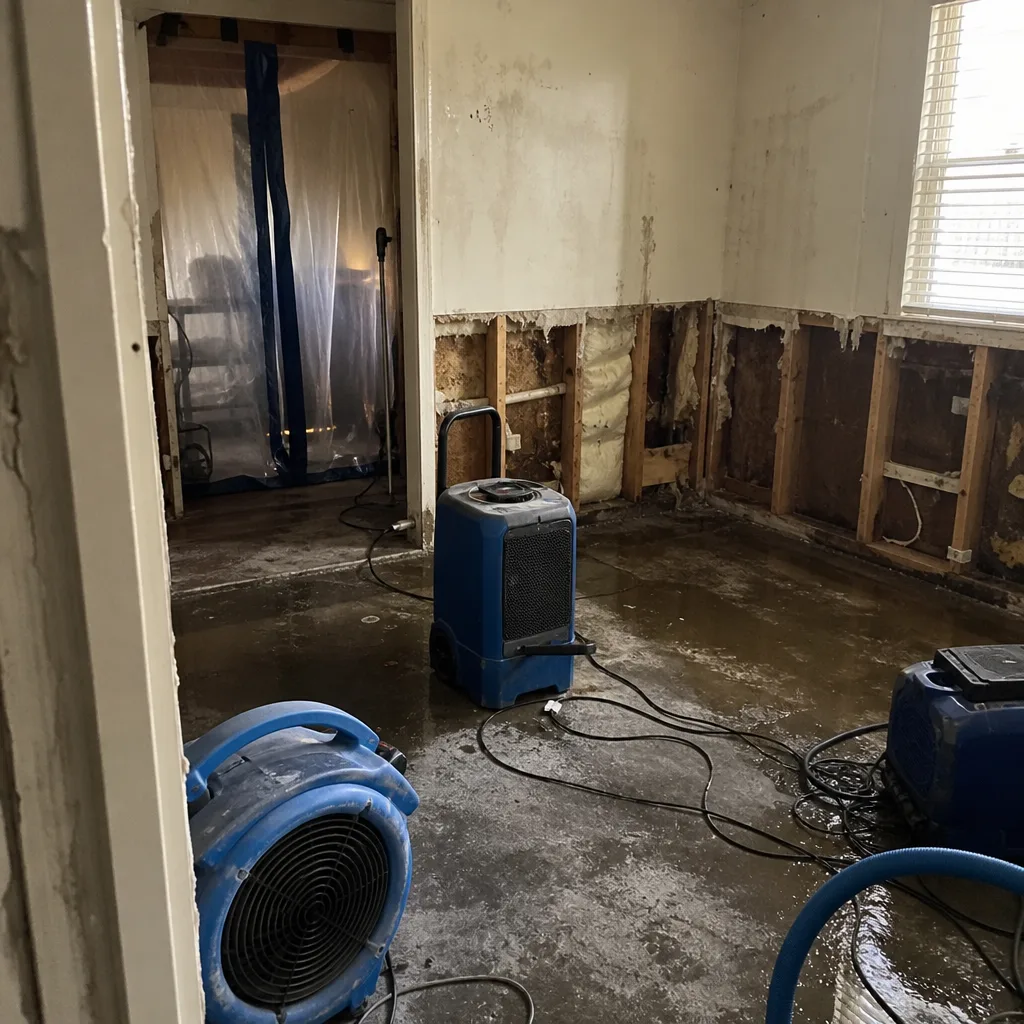 Before
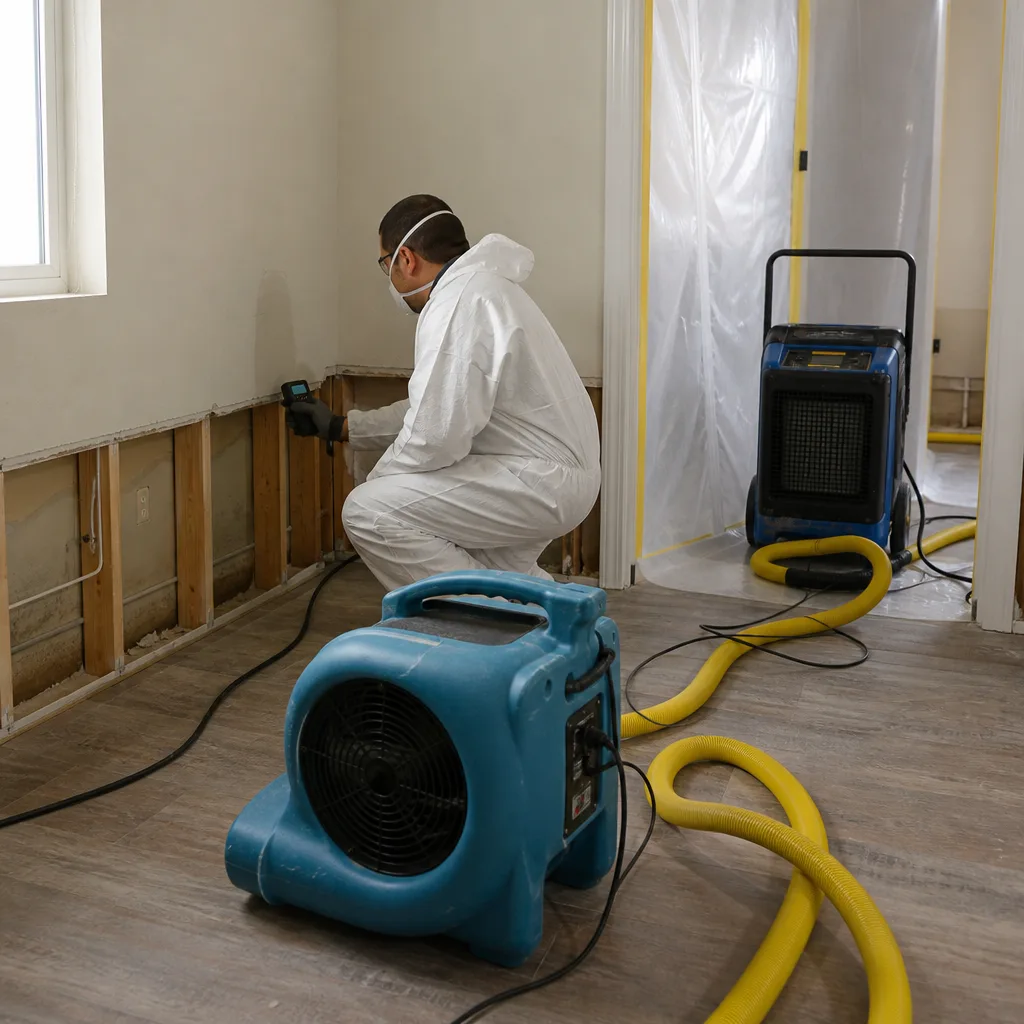 After
After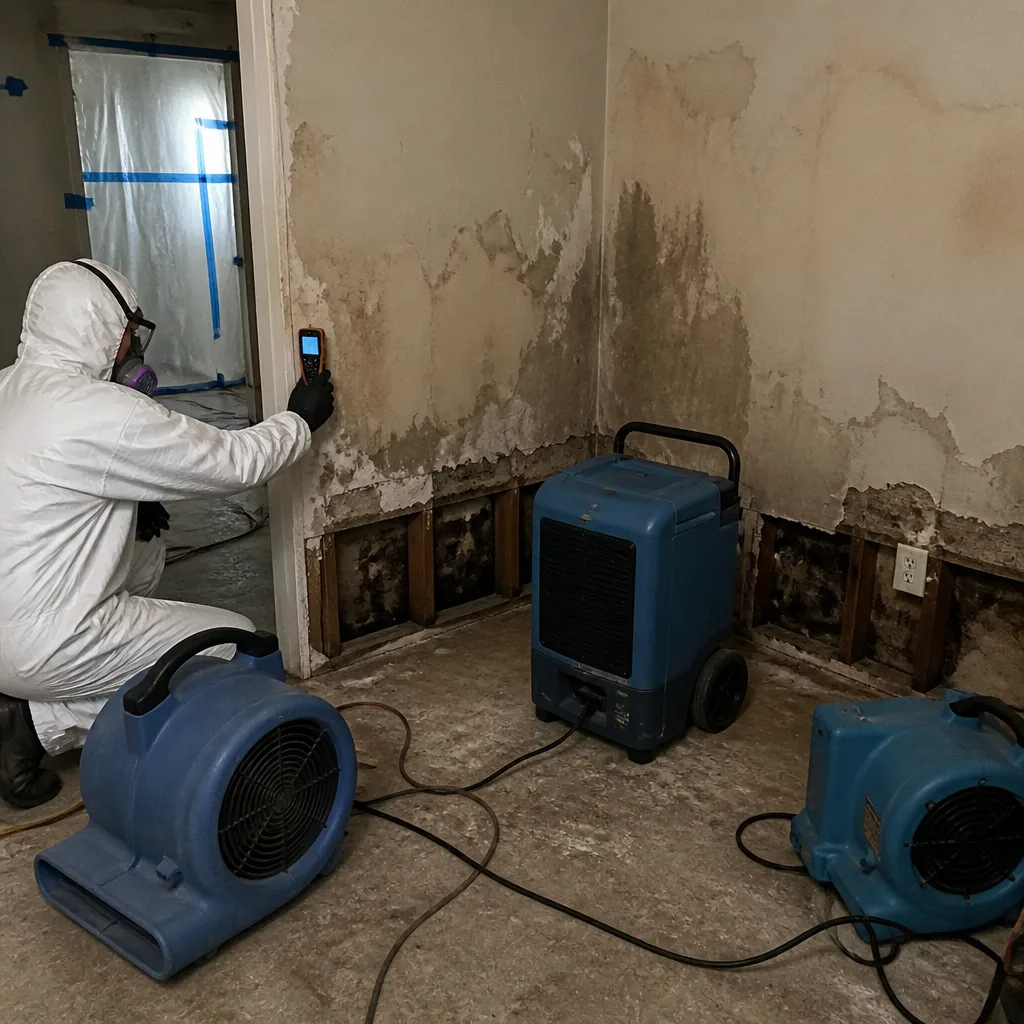 Before
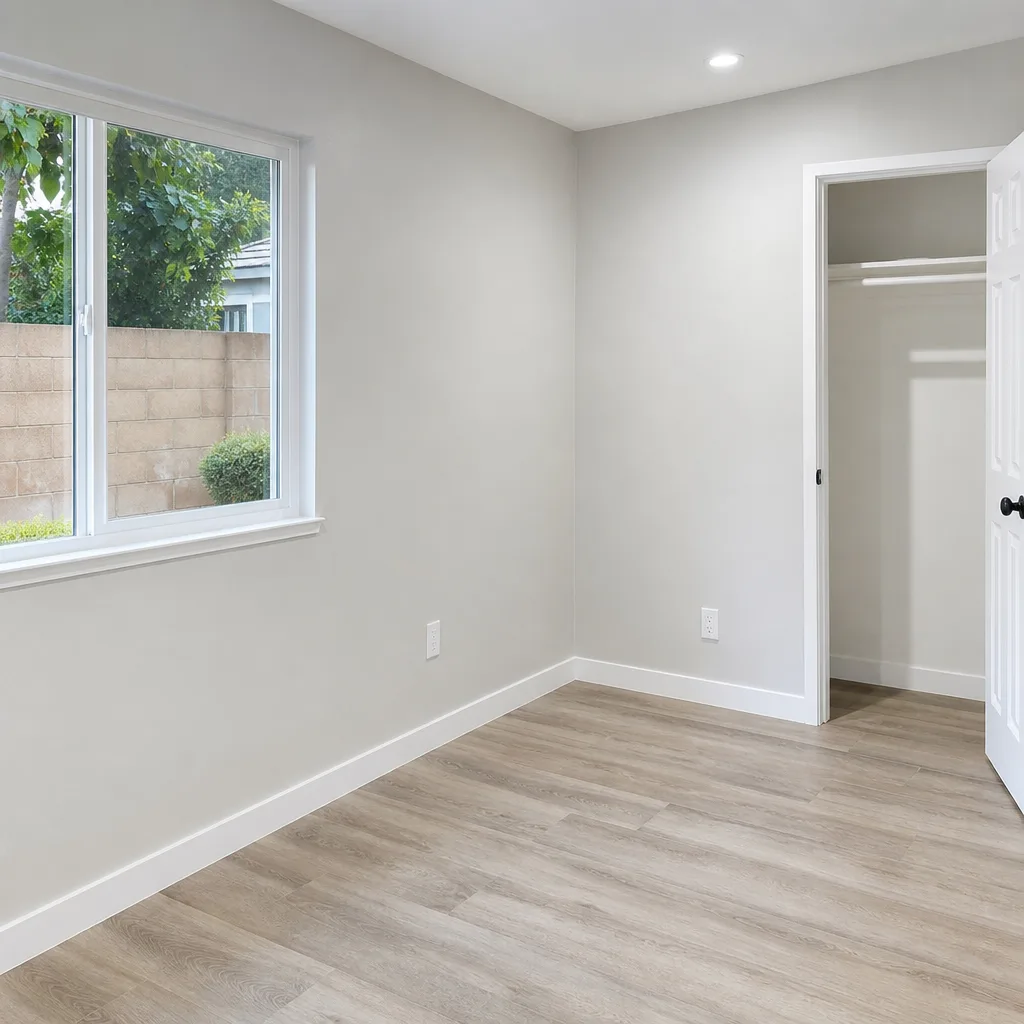 After
After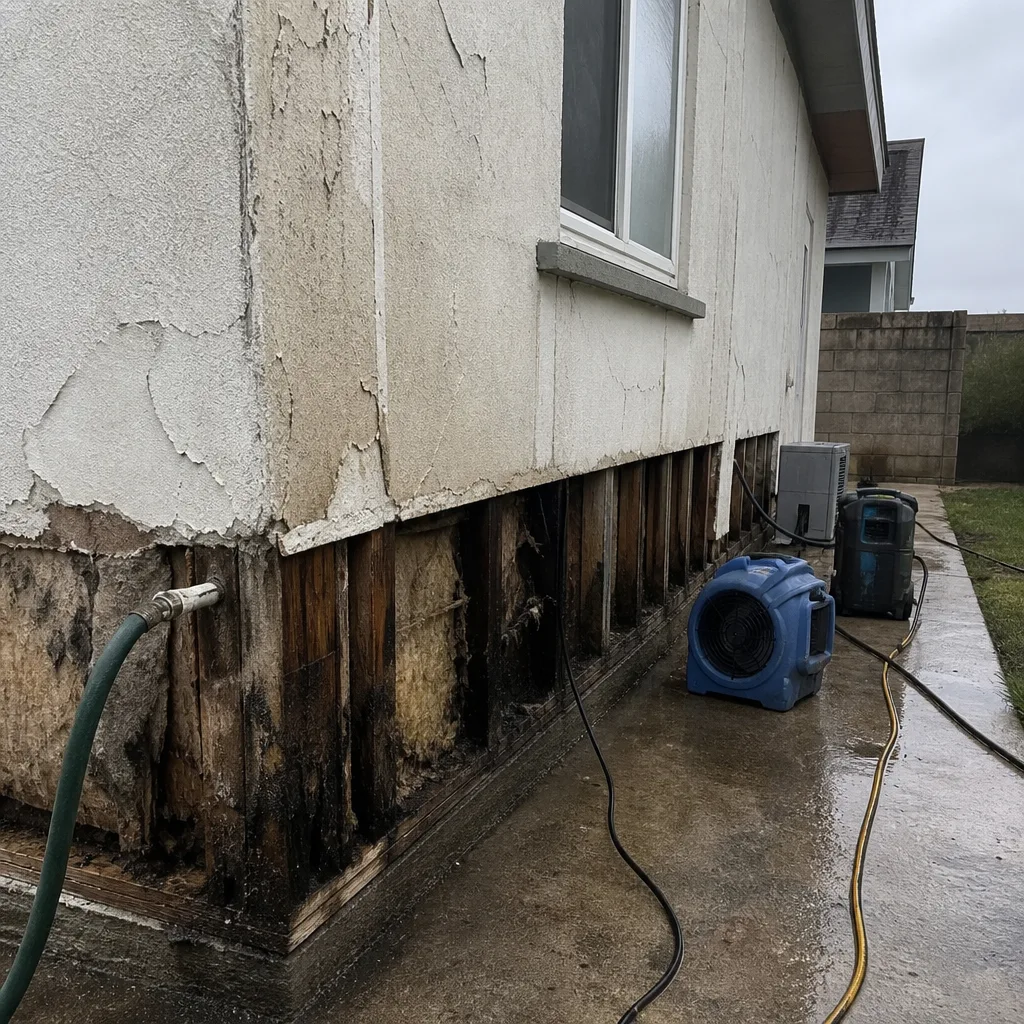 Before
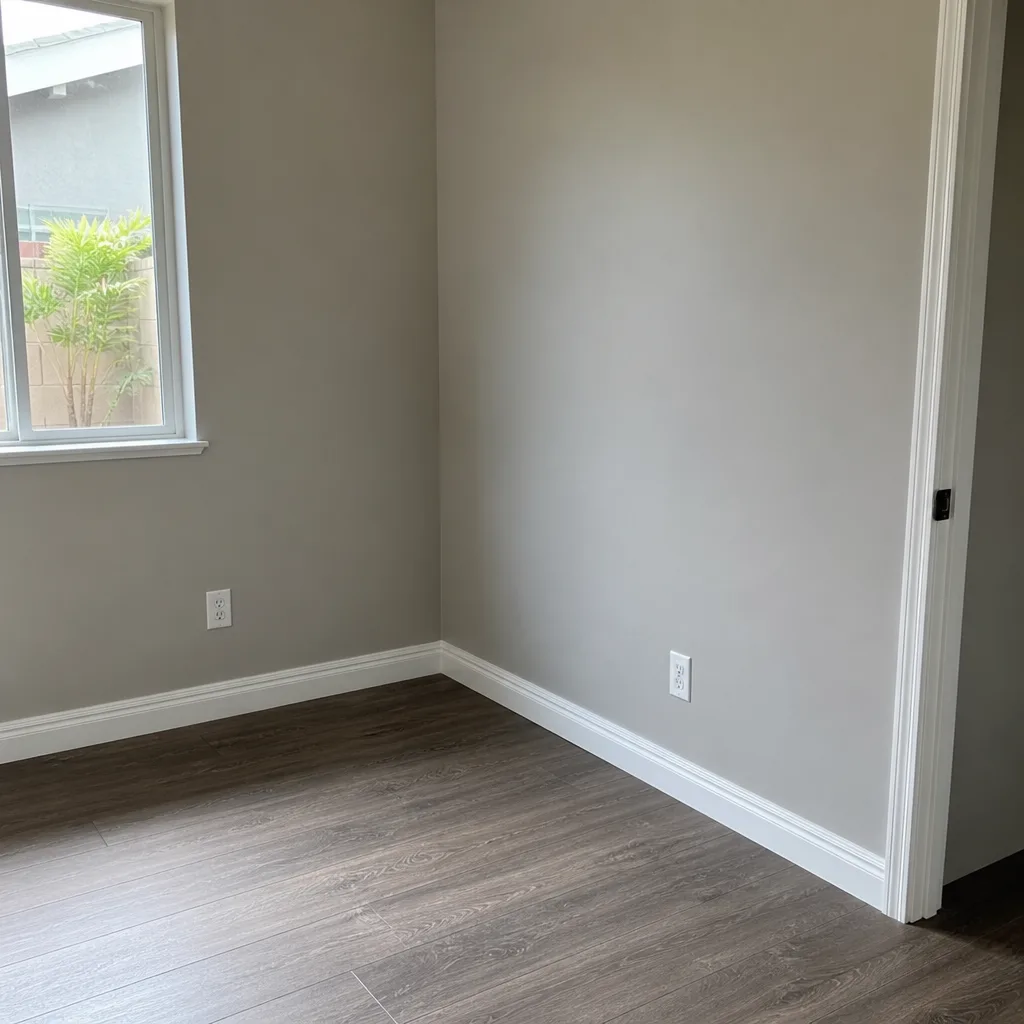 After
AfterDamage Restoration Cost Breakdown: The Santa Ana Homeowner’s Reference for 2026
The average residential water damage restoration invoice in Southern California runs $4,200-$18,500, yet fewer than 15% of homeowners can identify whether the line items on that invoice match the scope of work actually performed in their home. In Santa Ana, where aging plumbing in pre-1980s neighborhoods like Floral Park and Washington Square meets increasingly intense seasonal rain events, that knowledge gap costs real money. Insurers deny claims over documentation failures. Contractors bill equipment that never ran. Homeowners sign scopes they don’t understand, then discover reconstruction wasn’t included in the original estimate. This guide and our Damage Restoration Warning Signs: A Santa Ana Homeowner’s Reference Guide translate the standard Xactimate cost structure into plain figures you can cross-check against your own documented evidence before signing anything.
Quick Answer
Water damage restoration in Santa Ana typically costs $4,200-$18,500 for residential mitigation, with mold remediation adding $1,500-$6,000, fire and smoke restoration ranging $3,000-$25,000, and reconstruction billed separately at $45-$125 per square foot, as detailed in our DIY vs Professional Damage Restoration: The Santa Ana Homeowner’s Decision Guide. Equipment runs $35-$85 per unit per day, and every legitimate estimate should separate mitigation (emergency drying), remediation (contaminant removal), and reconstruction (structural rebuild) into distinct Xactimate categories before work begins.
Table of Contents
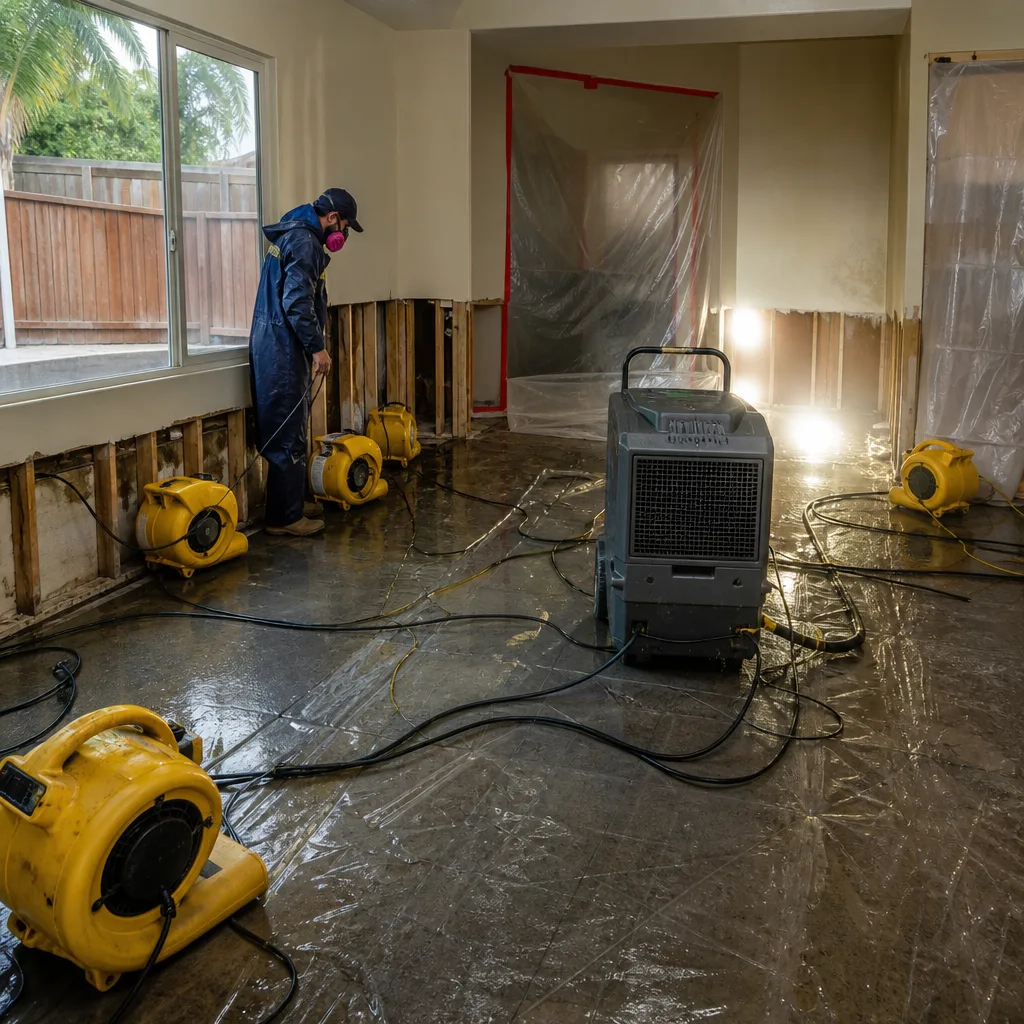
- How Xactimate Categories Work: Mitigation, Remediation, and Reconstruction
- Water Damage Restoration Costs in Santa Ana
- Mold Remediation Costs in Santa Ana
- Fire & Smoke Damage Restoration Costs
- How Equipment Costs Are Actually Billed
- What a Written Estimate Looks Like vs. a Time-and-Materials Invoice
- Santa Ana-Specific Cost Variables
- The 365-Day Warranty’s Financial Value
BeforeAfterHow Xactimate Categories Work: Mitigation, Remediation, and Reconstruction
Insurance adjusters in Orange County use Xactimate, the industry-standard pricing database, to evaluate restoration invoices. The system divides work into three distinct categories, and mixing them on a single line item is a red flag. Understanding which category each task belongs to lets you verify your estimate against standard rates and spot scope creep before it happens.
Mitigation covers emergency stabilization and drying. This is time-critical work: water extraction, demolition of unsalvageable materials, equipment deployment, and daily moisture monitoring. In Santa Ana, mitigation for a typical slab-on-grade ranch in the Mabury Park area runs $3,800-$7,500 for Category 1 (clean water) losses affecting 500-1,200 square feet. Category 2 (gray water) adds 15-25% for antimicrobial application and enhanced PPE. Category 3 (black water, including sewage backup) adds 40-60% for full containment, HEPA air filtration, and specialized disposal.
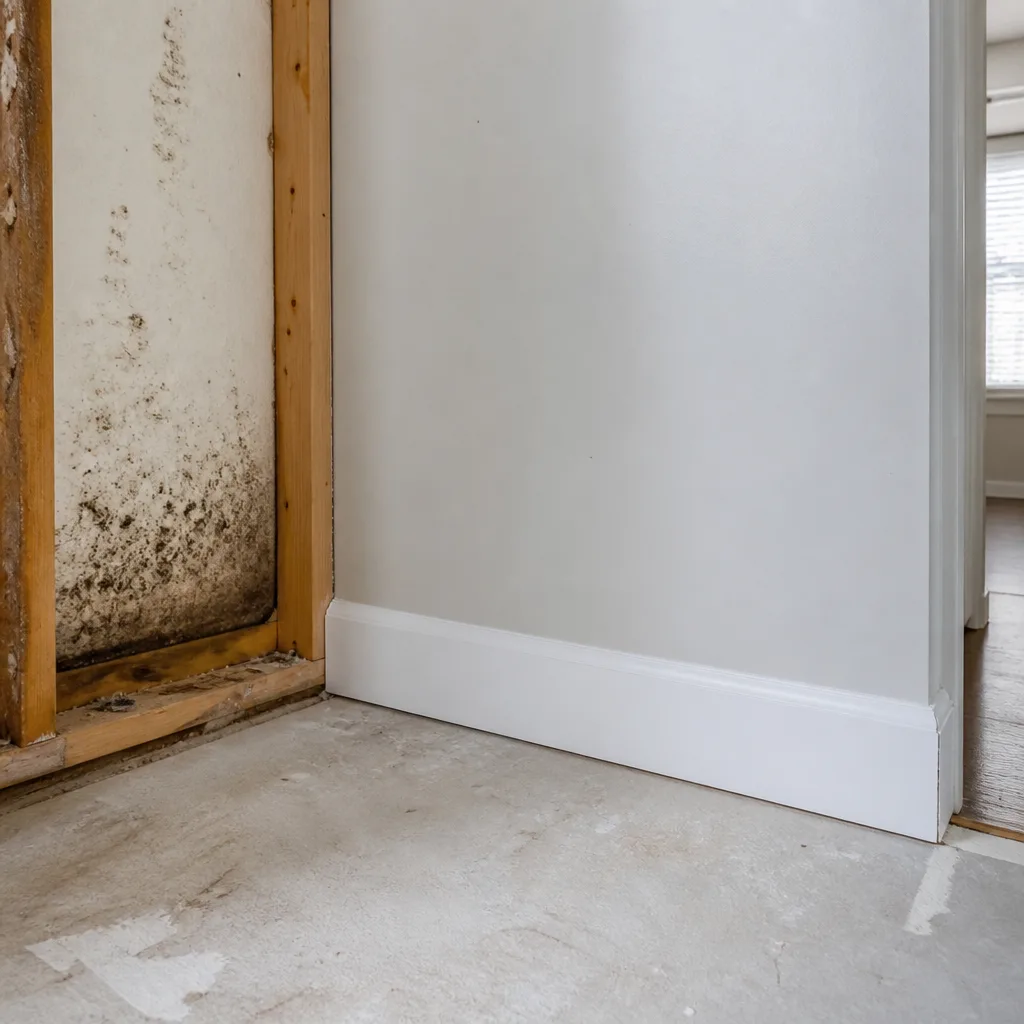
Remediation addresses biological or chemical contamination after drying is complete. Mold remediation is the most common, but this category also covers sewage contamination, fire suppression chemical residue, and biohazard decontamination. Remediation requires containment barriers, negative air pressure systems, and disposal as regulated waste. In Santa Ana’s humid summer months, when Santa Ana winds drop and marine layer moisture lingers, mold colonization accelerates behind baseboards and inside wall cavities. Remediation for a 10×10 room with visible growth typically runs $1,800-$4,200, with attic or crawl space work adding 30-50% for access difficulty.
Reconstruction is everything that happens after the structure is clean and dry. Drywall, flooring, cabinetry, paint, electrical, plumbing. This is standard construction work billed at market labor rates, not emergency rates. In Santa Ana, reconstruction costs track Orange County’s elevated construction market: $45-$75 per square foot for basic finishes, $85-$125 for mid-grade matching existing 1970s-1990s tract home specifications. Historic properties in the Willard neighborhood or French Park may require custom millwork replication, pushing costs to $150+ per square foot.
The critical point: mitigation and remediation contractors often bid reconstruction without licensed general contractor oversight, or subcontract it at markup without disclosure. Your written scope should name who performs each category, under what license, and at what rate. Haven Standard, Clause 1 requires this separation before work begins.
Water Damage Restoration Costs in Santa Ana
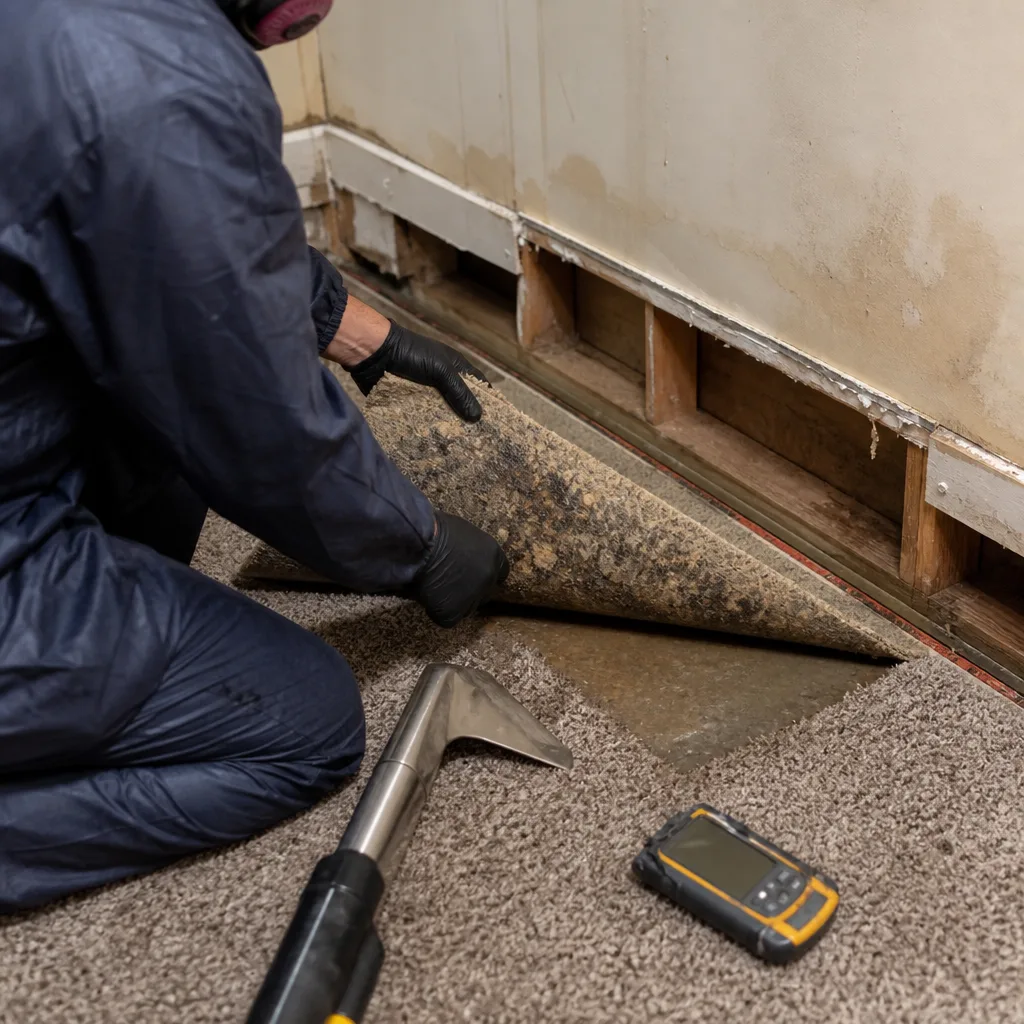
Water damage is the most frequent claim we document in Santa Ana, driven by three local factors: galvanized steel supply lines in pre-1975 housing stock, flat-roof commercial buildings converted to residential use in the Artists Village area, and seasonal overflow from the Santa Ana River watershed during strong El Nino patterns.
Here’s how costs break down by source and severity:
| Water Source | Square Footage | Mitigation Cost Range | Typical Duration |
|---|---|---|---|
| Clean water (supply line) | 500-800 sq ft | $3,200-$5,800 | 3-5 days drying |
| Clean water (supply line) | 800-1,500 sq ft | $5,800-$9,400 | 4-6 days drying |
| Gray water (appliance leak) | 500-800 sq ft | $4,100-$7,200 | 4-6 days drying |
| Gray water (appliance leak) | 800-1,500 sq ft | $7,200-$12,500 | 5-7 days drying |
| Black water (sewage backup) | 500-800 sq ft | $6,800-$11,500 | 5-8 days drying + remediation |
| Black water (sewage backup) | 800-1,500 sq ft | $11,500-$18,500 | 7-10 days drying + remediation |
These figures include extraction, demolition of affected materials, equipment rental, daily moisture readings, and final clearance documentation. They do not include reconstruction.
Hidden cost drivers in Santa Ana specifically:
- Slab-on-grade construction: Common in the 1950s-1970s neighborhoods between Main Street and McFadden Avenue, slab foundations trap moisture with no subfloor ventilation. Tertiary drying (targeted heat injection into wall cavities and slab edges) adds $800-$2,400 and 2-3 days.
- Asbestos-containing materials: Homes built before 1980 may have asbestos in floor tile mastic, popcorn ceiling texture, or HVAC duct insulation. Disturbance during water damage requires abatement at $3-$7 per square foot, plus 2-5 day scheduling delays for air clearance sampling.
- Historic district requirements: Properties in the Willard, French Park, or Floral Park historic districts may require Santa Ana Historic Resources Board notification for exterior demolition or window replacement, adding permit fees of $180-$450 and 10-15 business days to reconstruction timelines.
Water Damage Restoration in Santa Ana from our team includes psychrometric data logging - that’s the measurement of temperature, relative humidity, and vapor pressure differential that proves drying progress to your adjuster. We document to IICRC S500 standards, with daily readings uploaded to your file.
Mold Remediation Costs in Santa Ana
Mold remediation pricing confuses homeowners because it’s often bundled with water damage mitigation on a single invoice, obscuring what was actually performed. In Santa Ana’s climate, mold becomes a secondary claim when primary water damage isn’t dried properly, or when homeowners delay calling after discovering musty odors in June through October, when relative humidity regularly exceeds 70% overnight.
Legitimate mold remediation follows a fixed sequence, and each step carries a verifiable cost:
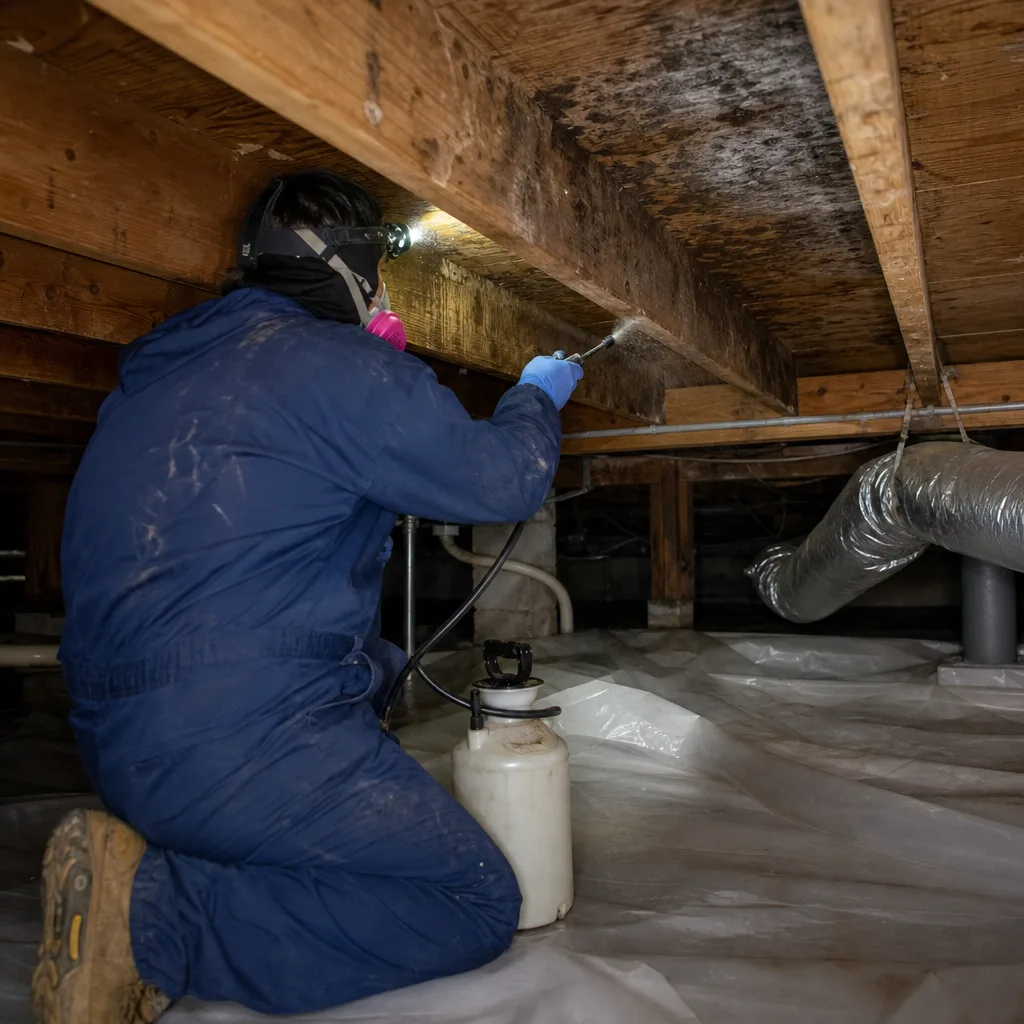
- Containment establishment: Polyethylene barriers sealed with zipper doors, negative air pressure maintained by HEPA-filtered air scrubbers. $450-$850 per contained area.
- Source moisture elimination: Repair of the leak or condensation source, verified with moisture meter readings below 16% wood moisture content or 4% drywall moisture content. $200-$800 for plumbing repairs; included in mitigation if we performed the drying.
- Removal of contaminated materials: Drywall, insulation, carpet pad, or structural wood showing >10 square feet of visible colonization per EPA guidelines. $2.50-$5.00 per square foot of material removed, plus disposal at $85-$150 per cubic yard as regulated waste.
- HEPA vacuuming and antimicrobial application: Two-pass HEPA vacuuming of all surfaces, followed by EPA-registered antimicrobial applied to remaining structural materials. $1.20-$2.40 per square foot of contained area.
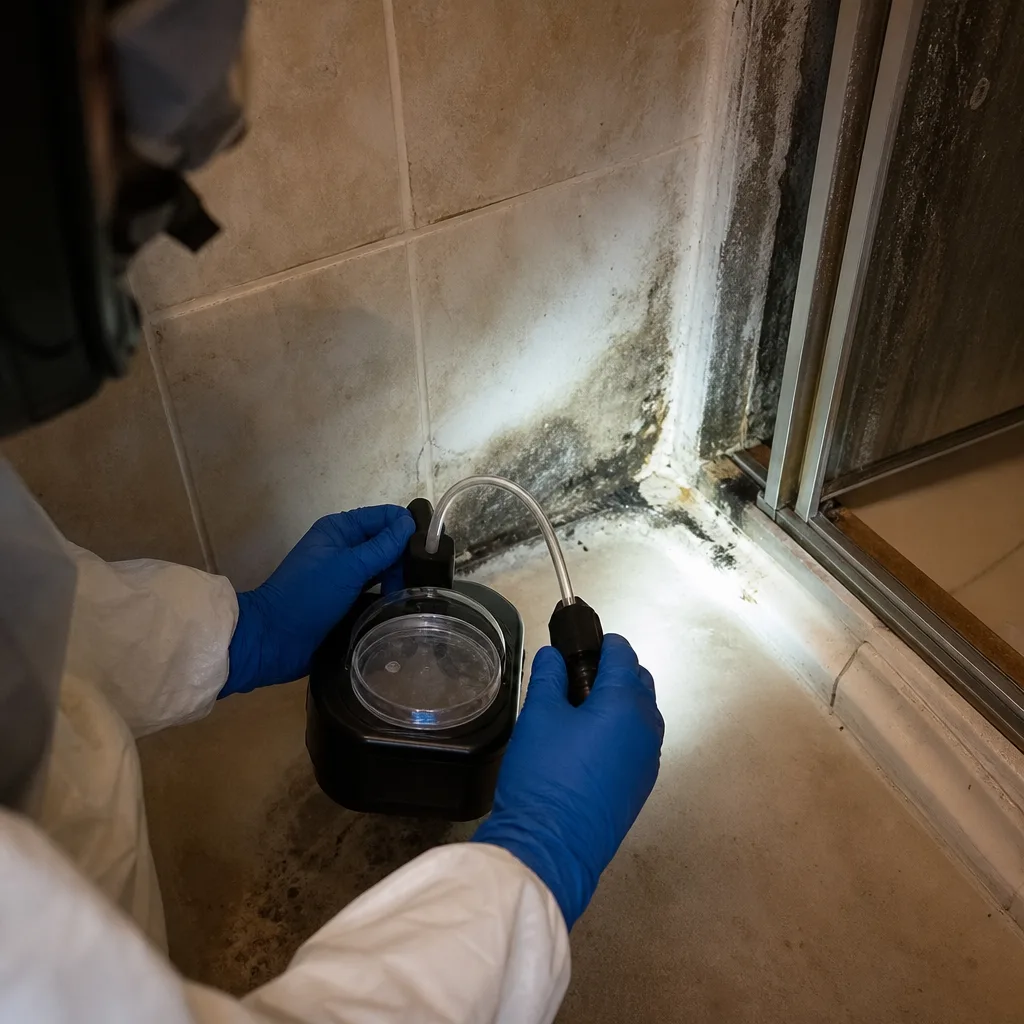
- Clearance testing: Third-party air sampling for spore count comparison to outdoor baseline, per IICRC S520. $350-$650 for 2-3 indoor samples plus outdoor control.
Typical Santa Ana mold remediation scenarios:
- Bathroom fan leak into attic, 150 square feet affected: $2,800-$4,500
- HVAC condensate pan overflow, duct contamination, 2,000 sq ft home: $4,200-$7,800
- Slab leak in crawl space, widespread colonization on floor joists: $6,500-$12,000
- Post-fire suppression mold in historic Willard district home with plaster lathe: $8,500-$15,000
The most common invoice dispute we review in our Free Second Opinion service: contractors who performed demolition and antimicrobial spraying but never established containment or negative air pressure, then billed for “full remediation.” Without containment, spores redistribute during disturbance. Without negative air pressure and HEPA filtration, the job isn’t remediation - it’s expensive demolition with a health risk attached.
Mold Remediation in Santa Ana from our team includes pre- and post-remediation photo documentation, air scrubber run-time logs, and third-party clearance coordination. Every photo is timestamped and geotagged to your property.
Fire & Smoke Damage Restoration Costs
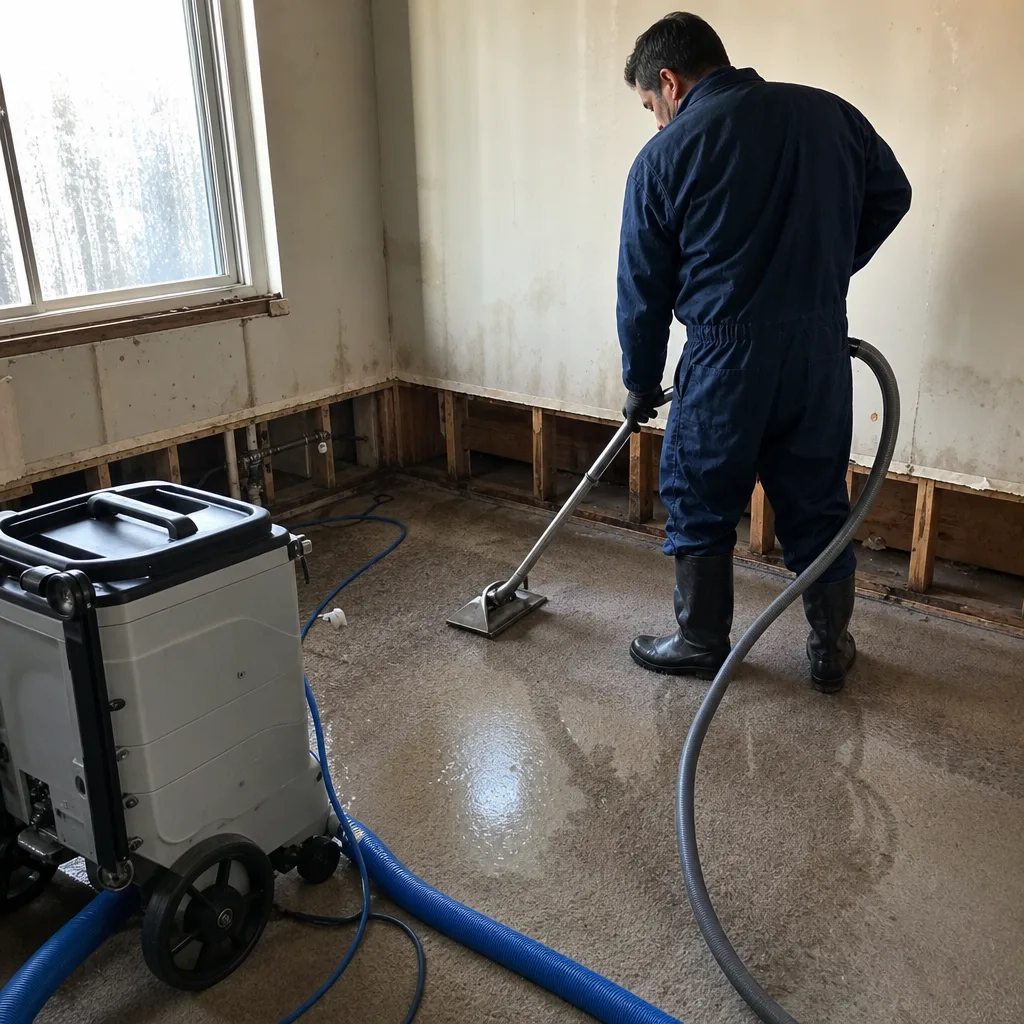
Fire restoration pricing varies more than water or mold because the damage spectrum is wider, from light smoke odor in a kitchen to total structural compromise. In Santa Ana, where multi-generational housing is common and older electrical systems serve modern appliance loads, electrical fires account for a disproportionate share of our fire calls in the Memorial Park and Madison Park neighborhoods.
Xactimate structures fire restoration into these cost centers:
Emergency board-up and stabilization: $850-$2,400 for tarping, plywood window/door coverage, and structural shoring. Required immediately by most insurance policies to prevent secondary damage. Santa Ana Fire Department may red-tag structures with compromised roof structures; stabilization must be engineer-certified before re-entry, adding $600-$1,200 for structural assessment.
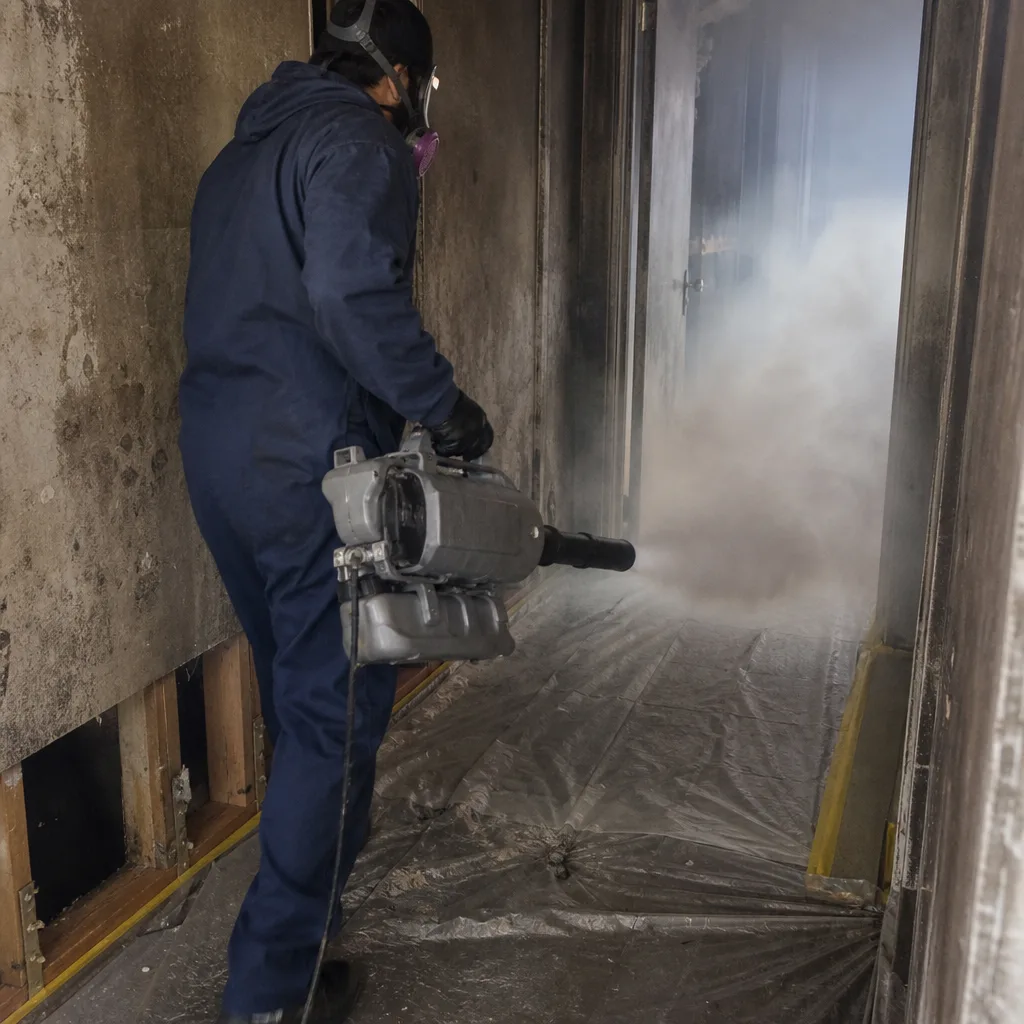
Soot and odor removal: $2.50-$6.00 per square foot for hydroxyl generator and ozone treatment of contents and structure. Thermal fogging for heavy protein smoke (kitchen fires) adds $1.20-$2.00 per square foot. Contents pack-out to climate-controlled storage: $450-$850 per room, plus $85-$150 per month storage.
Structural cleaning and demolition: $4,200-$12,000 for typical 1,500 sq ft home with moderate smoke damage. Heavy char requiring structural member replacement: $15,000-$35,000+ before reconstruction.
Reconstruction: As noted above, $45-$125 per square foot, with fire-damaged homes often requiring full electrical rewiring ($8,500-$18,000) and HVAC duct replacement ($3,200-$7,500) due to smoke particle infiltration.
Santa Ana-specific fire cost factors:
- Knob-and-tube wiring: Still present in some pre-1940 homes near downtown. Fire damage triggers mandatory full replacement to current NEC code, not repair-in-kind. Budget $12,000-$22,000 for complete rewiring of a 1,200 sq ft home.
- Stucco and lath construction: Common in 1920s-1950s Santa Ana housing. Smoke penetrates lath cavities and requires selective demolition of exterior stucco for access, then matching replacement. Skilled stucco matching in Orange County runs $18-$28 per square foot, versus $8-$14 for new construction.
- Contents valuation disputes: Santa Ana’s proximity to antique markets and artisan communities means contents may exceed standard replacement cost coverage. Document everything before pack-out with your own photos; our photo record is structural, not contents inventory.
Fire & Smoke Damage Restoration in Santa Ana includes coordination with your adjuster for scope approval before demolition begins, preventing the common scenario where homeowners discover their policy limits mid-project.
How Equipment Costs Are Actually Billed
Equipment is where restoration invoices become opaque. A “drying package” or “dehumidification service” line item tells you nothing. Legitimate billing names each unit, its manufacturer and model, the date deployed, the date retrieved, and the daily rate. Here’s what you should expect to see:
| Equipment Type | Common Models | Daily Rate Range | Typical Deployment |
|---|---|---|---|
| LGR dehumidifier | Dri-Eaz Revolution, Phoenix 200 MAX | $45-$75/day | 1 per 400-600 sq ft affected |
| Desiccant dehumidifier | Dri-Eaz DrizAir 1200, Phoenix D385 | $85-$150/day | Large commercial losses, low-temperature drying |
| Axial air mover | XPOWER P-230AT, B-Air VP-33 | $18-$32/day | 1 per 10-15 linear feet of wall |
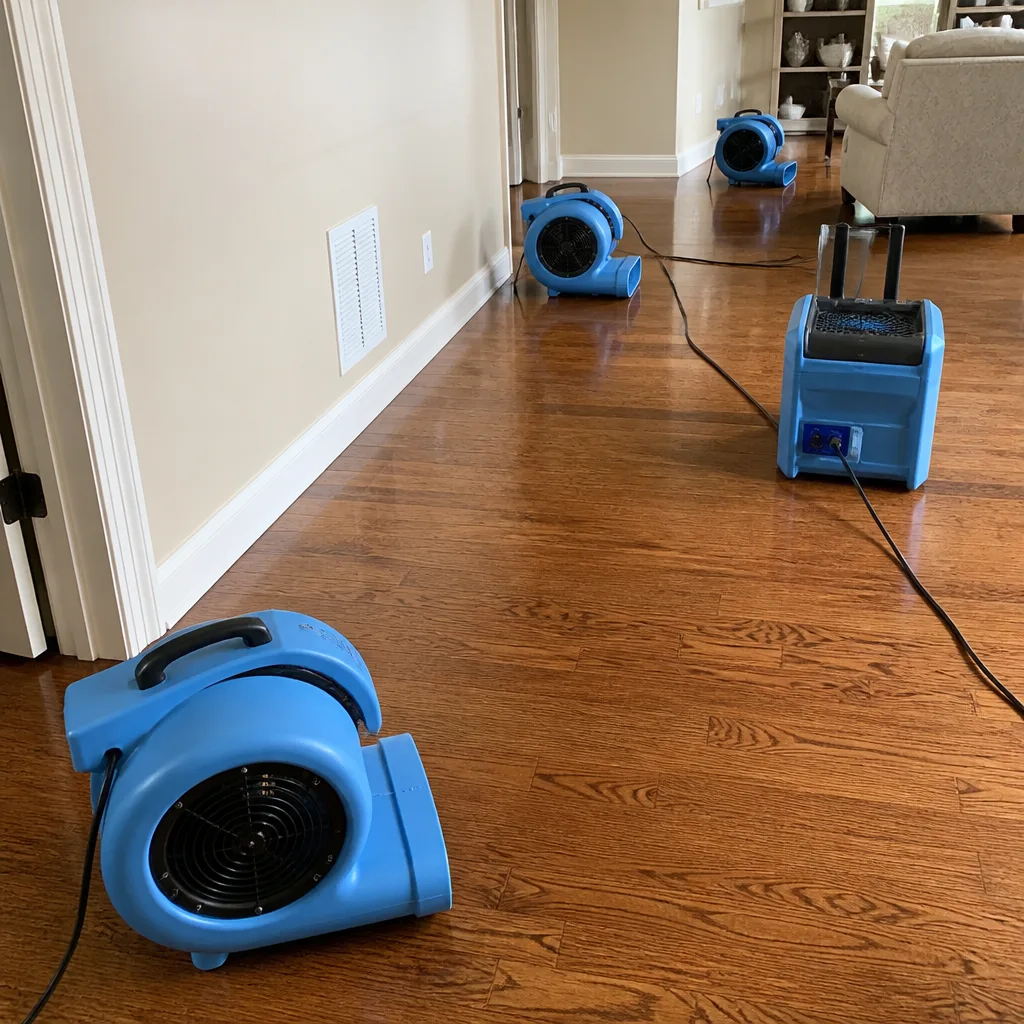
| Centrifugal air mover | Dri-Eaz Velo Pro, Phoenix AirMax | $22-$38/day | Hardwood floor drying, focused airflow |
| Negative air machine | Dri-Eaz DefendAir HEPA 500 | $35-$55/day | Mold remediation, asbestos abatement |
| Air scrubber (HEPA) | Phoenix Guardian R500, XPOWER X-3400A | $28-$48/day | Odor control, particulate filtration |
| Injectidry floor mat system | Injectidry HP60, Dri-Eaz Floor Rescue | $65-$95/day | Hardwood floor rescue, slab edge drying |
| Thermal imaging camera | FLIR E8, FLIR E95 | $125-$250 (per inspection, not daily) | Moisture mapping, hidden leak detection |
The critical verification step: equipment run-time logs. Our daily drying documentation includes the serial number of each unit, its placement (documented by photo), and hour-meter readings where applicable. If your invoice shows 14 days of dehumidifier rental but your photo record shows the unit was removed after 9 days, that’s a $315-$525 discrepancy on a single unit.
In Santa Ana’s summer months, when outdoor dew points reach 60°F+, LGR (low-grain refrigerant) dehumidifiers struggle to achieve the 40% relative humidity target for complete drying. We may deploy desiccant units or supplement with targeted heat - and we document the psychrometric data that justifies the equipment change, so your adjuster understands why standard equipment was insufficient.
What a Written Estimate Looks Like vs. a Time-and-Materials Invoice
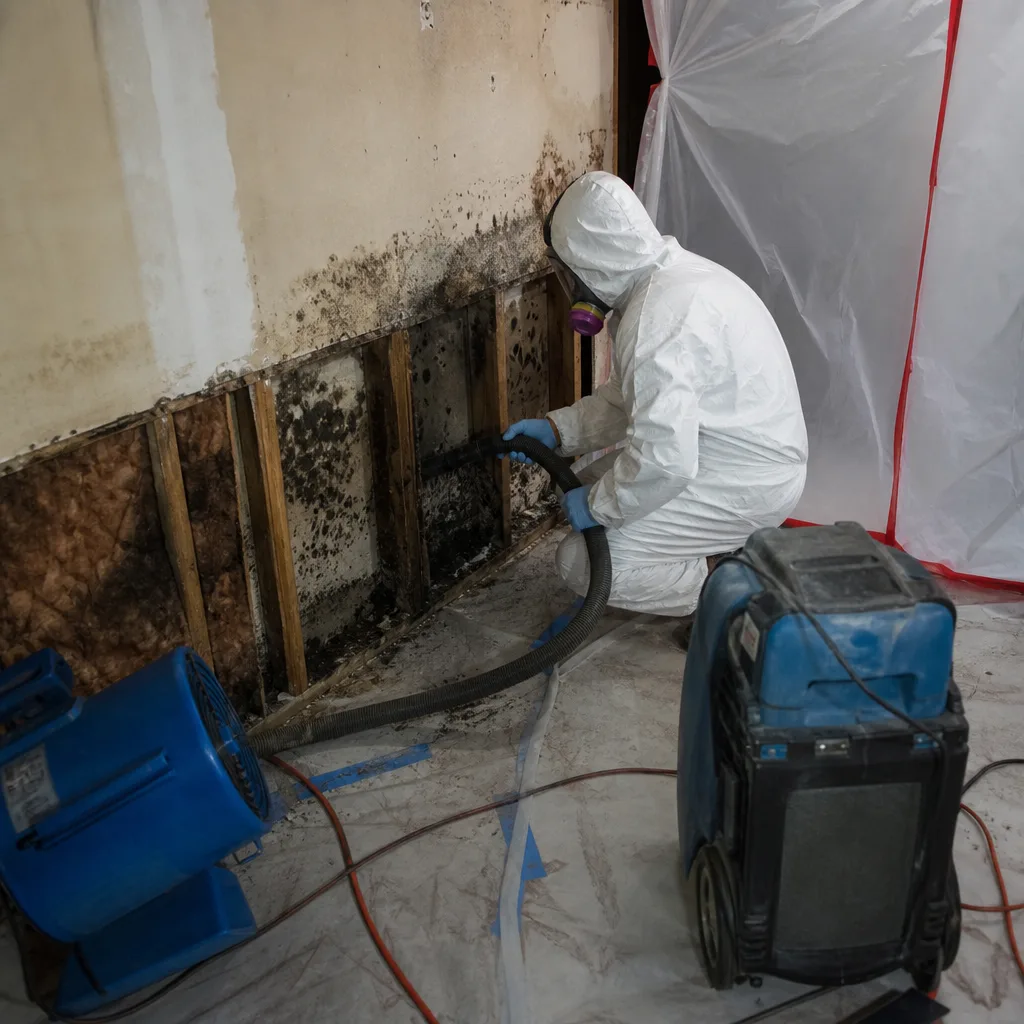
This distinction determines whether your insurer pays without dispute. Haven Standard, Clause 1 exists because Alicia Brennan, our founder, spent years as a claims adjuster watching homeowners sign blank work authorizations, then receive invoices with 40% cost overruns that insurers denied as unreasonable.
A legitimate written estimate before work begins contains:
- Line-item breakdown by Xactimate category (mitigation/remediation/reconstruction)
- Per-unit equipment rates with estimated deployment duration
- Labor rates by technician classification (water technician, mold remediator, reconstruction carpenter)
- Material specifications by manufacturer and product number
- Not-to-exceed total or fixed-price commitment
- Signature blocks for homeowner and contractor, with date
- Insurance adjuster copy notification clause
A time-and-materials invoice assembled after work contains:
- Lump-sum totals without unit pricing (“mitigation services: $8,500”)
- Equipment billed as “package” without unit count or duration
- Labor as “T&M” at undisclosed rates
- Materials described generically (“drywall, paint, trim”)
- Change orders added after initial authorization
- No pre-work signature or scope agreement
Insurers routinely reduce time-and-materials invoices by 25-40% as “unreasonable” under policy language requiring “reasonable and necessary” costs. The homeowner pays the gap, or the contractor places a mechanics lien. In Santa Ana, where median home values exceed $750,000 and equity is substantial, mechanics liens are a serious credit threat.
Our written scope, delivered before any work starts, uses Xactimate pricing updated for Orange County ZIP codes. You receive the same pricing database your adjuster uses. When the scope matches the invoice and both match the photo record, payment is straightforward. This is why 12,000+ homes restored since 2011 have processed without the documentation disputes that plague this industry.
Santa Ana-Specific Cost Variables
Restoration costs aren’t uniform across Southern California. Santa Ana’s market has distinct characteristics that affect your final invoice.
Labor rates: Orange County construction labor runs 15-22% above national averages per Bureau of Labor Statistics data. Water damage technicians with IICRC WRT certification command $28-$42 per hour in Santa Ana versus $22-$32 in Riverside or San Bernardino counties. This affects mitigation labor line items directly.
Permit and inspection fees: Santa Ana Building & Safety Division charges:
- Plumbing repair/replacement permit: $180-$340 depending on fixture count
- Electrical repair permit: $145-$285
- Structural repair permit (wall, floor, roof framing): $285-$485 plus plan check fees
- Historic property review (where applicable): $180-$450
- Re-inspection after failed inspection: $95 per visit
Permit costs are legitimate reconstruction expenses billable to insurance under most policies, but they must be specified in the written scope. We itemize them explicitly.
Material costs: Southern California supply chain pricing for common restoration materials runs:
- 5/8″ moisture-resistant drywall: $0.85-$1.15 per square foot (installed)
- Oak or maple hardwood flooring (match-grade): $8.50-$14.00 per square foot
- 12mm laminate flooring: $3.20-$5.80 per square foot
- Portland cement-based self-leveling underlayment: $2.80-$4.50 per square foot
- Low-VOC primer/sealer (smoke odor encapsulation): $0.65-$0.95 per square foot
These figures fluctuate with fuel surcharges and regional distribution patterns. Our written scope specifies “or equal” substitutions with price protection clauses if specified materials become unavailable.
Climate and seasonal factors: Santa Ana’s microclimate creates specific drying challenges. The Santa Ana winds (September through March) drop relative humidity to 10-20%, accelerating surface drying but potentially trapping moisture in wall cavities as exterior surfaces seal. Conversely, May through August marine layer intrusion keeps overnight humidity elevated, extending drying durations by 1-3 days in homes without active HVAC dehumidification. Our equipment logs document these conditions and justify extended deployment when necessary.
Neighborhood construction types:
- Floral Park / French Park (1920s-1940s): Plaster and lathe, balloon framing, minimal insulation. Higher demolition labor, custom millwork matching, potential lead and asbestos. Mitigation: +15-25%.
- Washington Square / Mabury Park (1950s-1970s): Slab-on-grade, minimal attic ventilation, galvanized plumbing. Tertiary drying and slab moisture monitoring standard. Mitigation: +10-15% for slab-related equipment.
- Artists Village / downtown lofts (commercial conversion): Flat roofs, shared walls, commercial HVAC. Roof drainage failures common; coordination with HOA or commercial management required. Complexity premium: +20-35%.
- Post-1990s tracts (south Santa Ana): Standard platform framing, PEX plumbing, adequate attic ventilation. Most straightforward for standard mitigation pricing.
The 365-Day Warranty’s Financial Value
Most restoration contractors offer a 30-day or 90-day workmanship warranty, if they offer anything in writing at all. The Haven Standard’s 365-Day Done Right Promise is a signed guarantee, not a verbal assurance, and its financial value is quantifiable.
Common post-restoration failures in Santa Ana’s climate:
- Mold recurrence from incomplete drying: $2,800-$7,500 for re-mitigation, plus potential health-related claims
- Hardwood floor cupping from residual subfloor moisture: $4,200-$8,500 for floor replacement (not repairable once cupped)
- Odor return from inadequate smoke particle removal: $1,800-$4,500 for re-treatment, often requiring re-demolition of finished surfaces
- Structural settling from improper drying of sill plates or framing: $5,500-$15,000 for foundation or framing repair
A contractor with no written warranty bears no cost for these failures. The homeowner pays twice, or initiates litigation with uncertain outcomes. Our 365-Day Done Right Promise covers labor and materials to correct any workmanship-related failure, documented by the same photo record that established the original scope. In 14 years of operation, callback rates under this warranty have remained below 3%, but the protection exists for the exceptions.
The warranty also functions as a claim documentation tool. If mold recurs in a wall we dried, the warranty response includes moisture meter readings and thermal imaging that establish whether the recurrence stems from our work or a new leak. This documentation protects both parties and prevents the “he said, she said” disputes that dominate small claims courts in Orange County.
Common Mistakes to Avoid
- Signing a work authorization without a written price. Haven Standard, Clause 1 exists because this is the single most expensive decision a homeowner makes. Any contractor who won’t commit to a price before starting work is planning to charge you more than the market rate.
- Accepting “mitigation and reconstruction” as a single line item. These are separate trades with separate margins. Bundling obscures markup and prevents insurance verification. Demand category separation.
- Ignoring equipment run-time documentation. Daily photos with timestamps prove equipment was actually running. Without them, you’re trusting a vendor to bill honestly for machines you never saw.
- Delaying the call for a second opinion. Our Free Second Opinion on any competitor’s written estimate has no expiration, but it’s most valuable before work begins, when scope changes are still free.
- Assuming insurance covers everything. Policy limits, deductibles, and coverage exclusions (gradual damage, mold caps, code upgrade limits) apply. We review your policy declarations with you before work starts so there are no coverage surprises.
- Hiring a mitigation contractor who also performs reconstruction without GC licensing. In California, reconstruction over $500 requires a licensed general contractor. Unlicensed reconstruction voids your permit and may invalidate your insurance coverage for future claims.
- Neglecting to document pre-existing conditions. Photos of undamaged areas before work starts protect you from claims that pre-existing cracks, stains, or wear were caused by the restoration crew.
When to Call a Professional
Call immediately when water is actively flowing, when you smell smoke or see soot, when mold covers more than 10 square feet, or when sewage is present. These are not DIY scenarios; they involve electrical hazards, structural compromise, or biological contamination that requires regulated disposal. For slower-developing concerns - a musty odor, a water stain that appeared last week, a floor that feels slightly soft - you still need professional assessment, but same-day dispatch is less critical than accurate documentation.
DryMark Restoration Santa Ana offers free estimates in Santa Ana. Every estimate includes a written scope with line-item pricing, equipment specifications, and a photo record of conditions at the time of assessment. See our more guides & resources for additional homeowner tools. Call (657) 300-9903. A live person answers, 24 hours a day, 7 days a week, with no voicemail on emergency lines.
Frequently Asked Questions
Water damage restoration in Santa Ana ranges from $3,200 for a localized clean-water leak in a small bathroom to $18,500 for widespread black water contamination in a 1,500 square foot home. The median residential mitigation we document is $6,800 for Category 2 gray water affecting 800-1,200 square feet, not including reconstruction. Call (657) 300-9903 for a written estimate on your specific loss - estimates are free.
Most Santa Ana homeowners policies cover sudden and accidental water damage, fire, and storm damage, but coverage varies by policy form, deductible, and endorsements. Key limitations to verify: mold coverage caps (often $5,000-$10,000), code upgrade coverage (required for older homes but sometimes excluded), and gradual damage exclusions (slow leaks over weeks or months). We review your declarations page with you and coordinate directly with your adjuster on scope approval before work begins. Call (657) 300-9903 to schedule a free policy review with your estimate.
For active water flow, fire damage, or sewage backup, our live dispatch answers immediately and routes the nearest crew, typically arriving within 60-90 minutes during daylight hours and 90-120 minutes overnight in the Santa Ana metro area. Response to outlying areas like south Santa Ana or the industrial corridor near the 55 freeway may add 15-30 minutes. Reconstruction work is scheduled, not dispatched; we provide a written start date in your scope. Call (657) 300-9903 for current emergency availability.
For mold growth under 10 square feet on hard, non-porous surfaces, EPA guidelines permit homeowner cleaning with detergent and water. For larger areas, HVAC system contamination, or growth behind walls where moisture source is unknown, professional remediation is required to prevent spore redistribution and health exposure. In Santa Ana’s climate, visible mold on drywall almost always indicates hidden colonization in the wall cavity. We offer free moisture mapping and thermal imaging to determine true extent before you decide. Call (657) 300-9903.
Mitigation is emergency drying and stabilization, billed at restoration labor rates with equipment rental. Reconstruction is standard construction to return the property to pre-loss condition, billed at construction labor rates with material markup. Insurance adjusters apply different pricing databases and depreciation rules to each category. When contractors bundle them, you lose transparency into markup and adjuster verification becomes impossible. Haven Standard, Clause 1 requires separate line-item pricing for each category before work begins.
Both. You retain authority over your claim; we provide the documentation that makes your claim payable. Our role includes: written scope submission to your adjuster, photo record delivery, moisture log compilation, and direct adjuster communication on technical questions. We do not negotiate settlement amounts, sign releases on your behalf, or accept insurance payment directly without your written direction. This separation protects you from assignment of benefits disputes common in Florida and Texas, and increasingly seen in California. Call (657) 300-9903 to discuss documentation protocols for your specific insurer.
Legitimate restoration companies provide daily equipment logs with unit serial numbers, placement photos, and hour-meter readings. Our documentation includes timestamped, geotagged photos of each unit in position, taken on every visit. If your contractor cannot produce these records, you cannot verify equipment billing. This is one of the most common invoice disputes we review in our Free Second Opinion service - equipment billed for days when no visit occurred. Call (657) 300-9903 if you need documentation review.
The Bottom Line
Restoration costs are knowable before work begins, verifiable during execution, and warrantable after completion. The gap between what homeowners pay and what insurers approve is almost always a documentation gap: missing line items, unverified equipment, scopes signed under pressure, and invoices assembled after the fact. In Santa Ana’s diverse housing stock and active insurance market, the homeowner who demands a written price, unit-level equipment documentation, and category-separated billing before authorizing work avoids the disputes that consume months and thousands of dollars. The tools exist. The standards exist. The only variable is whether your contractor follows them.
DryMark Restoration Santa Ana home
Written by Alicia Brennan, Owner at DryMark Restoration Santa Ana, serving Santa Ana since 2011.