
Last updated September 23, 2026
Free visual inspection and a written scope of work before any mitigation begins - photos, moisture readings, and drying logs go in your claim file
The scope we write is the scope we bill. Anything new gets shown to you, in writing, before we touch it.
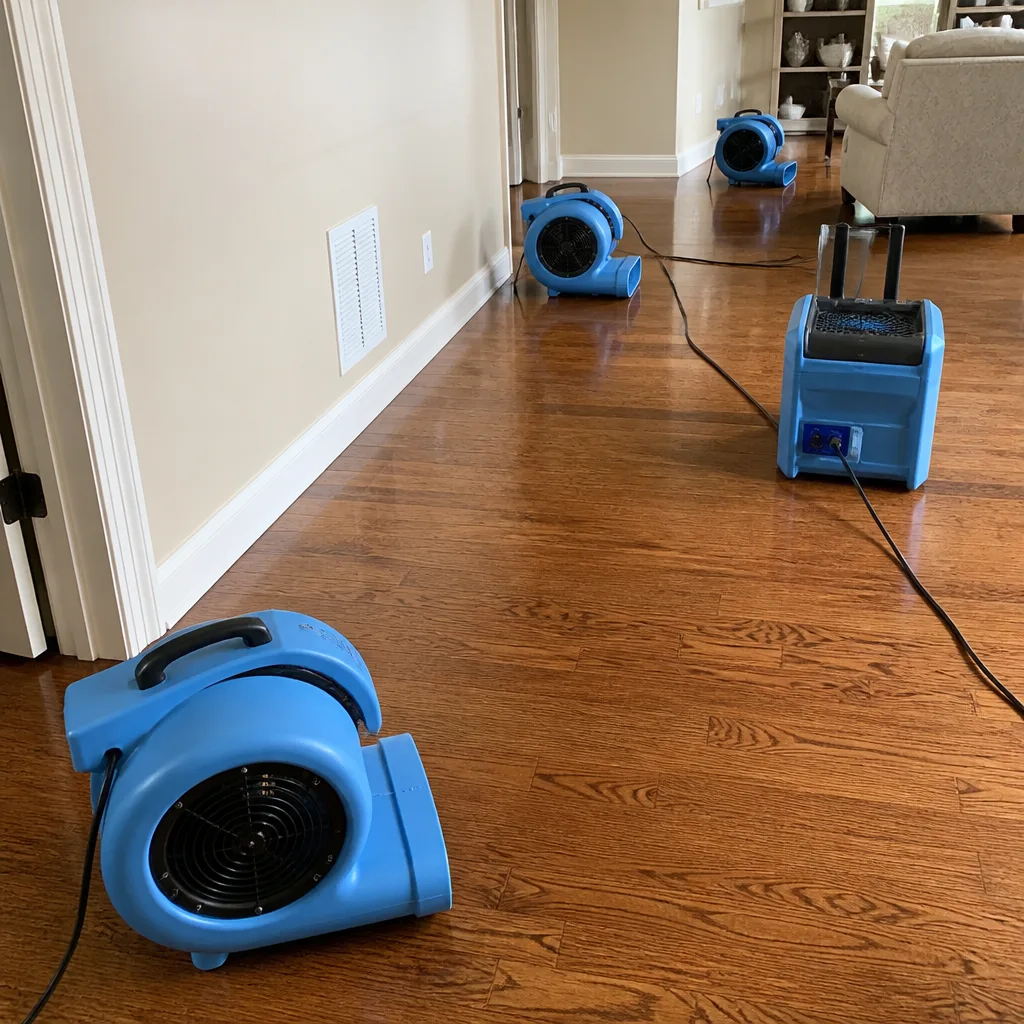

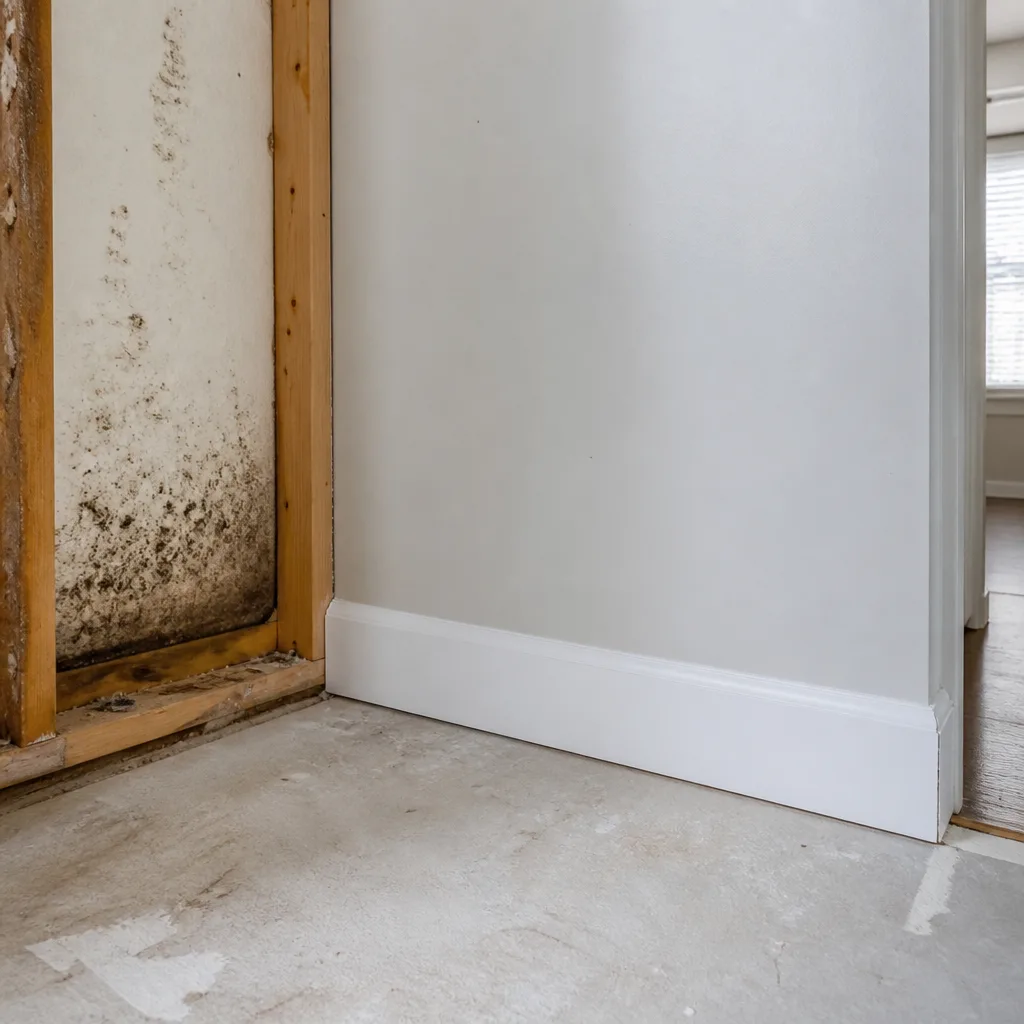

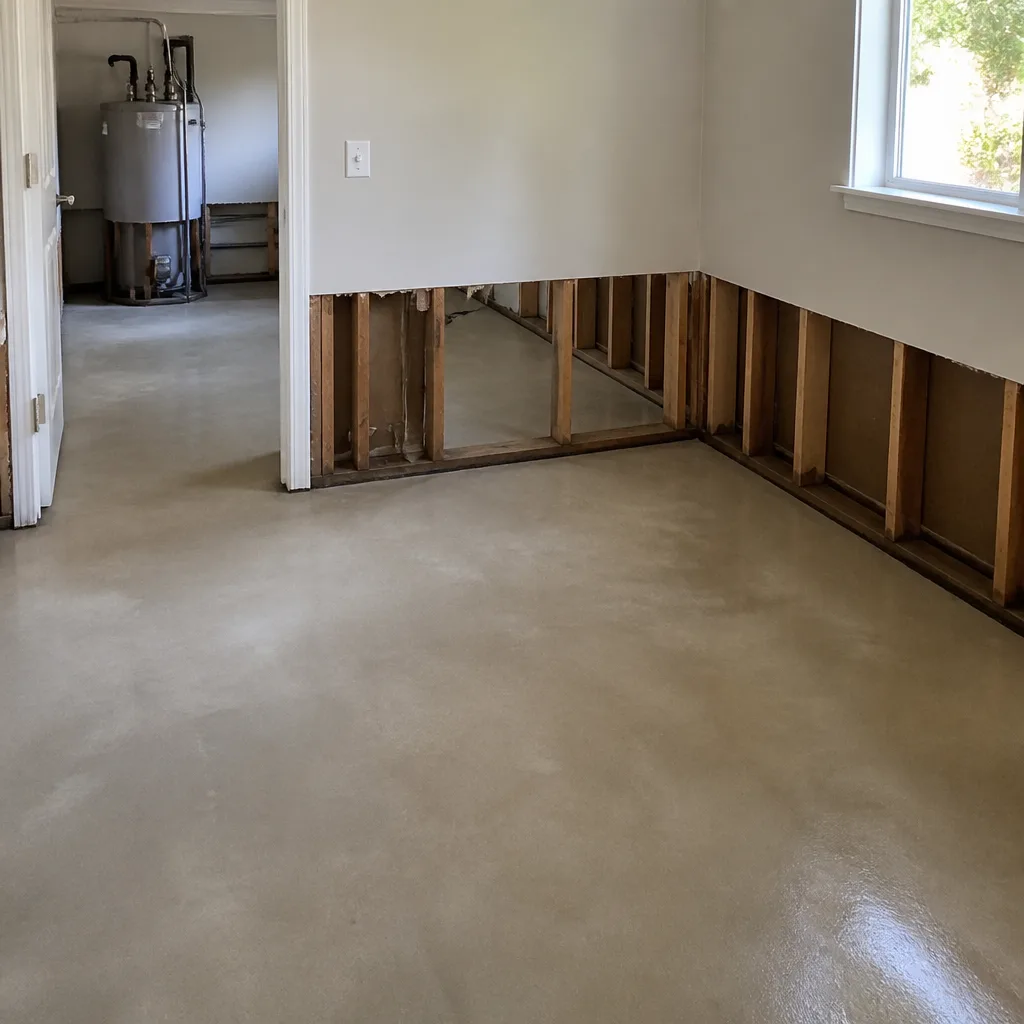

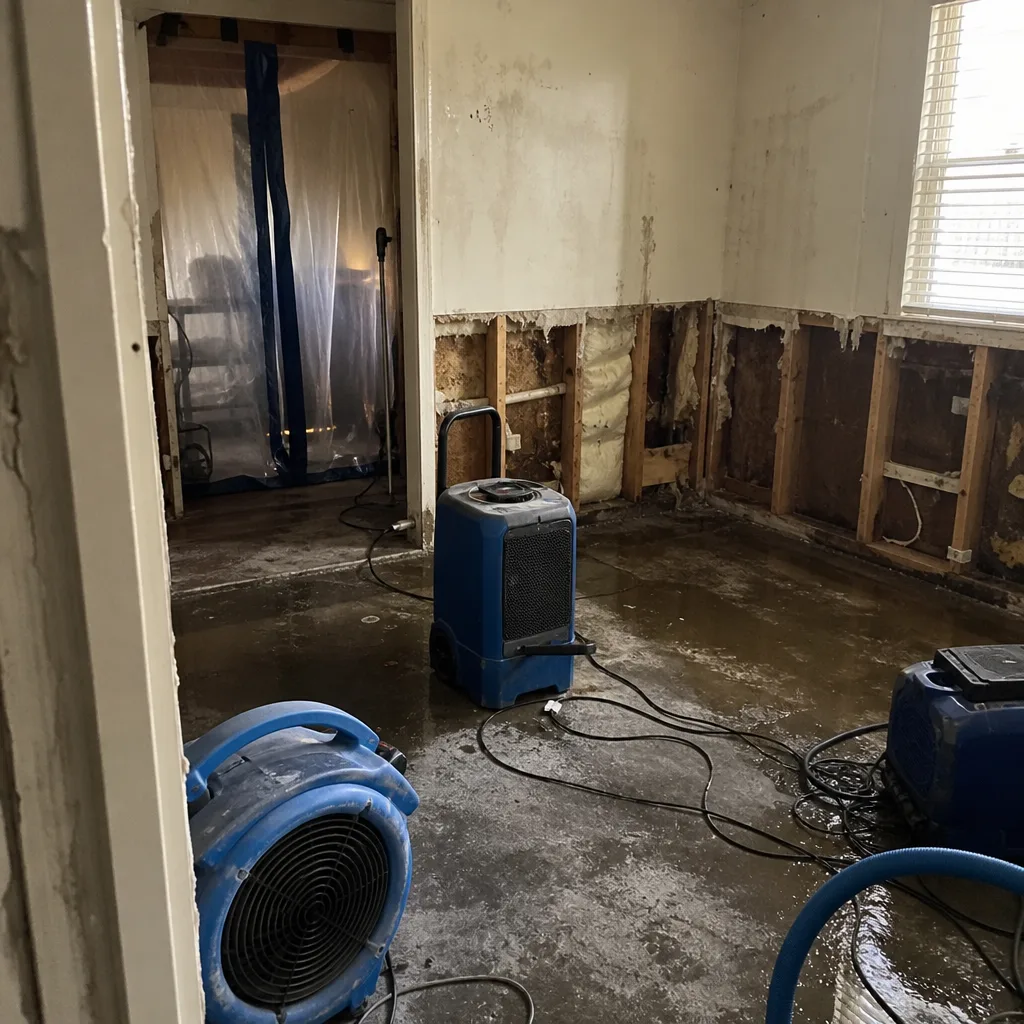 Before
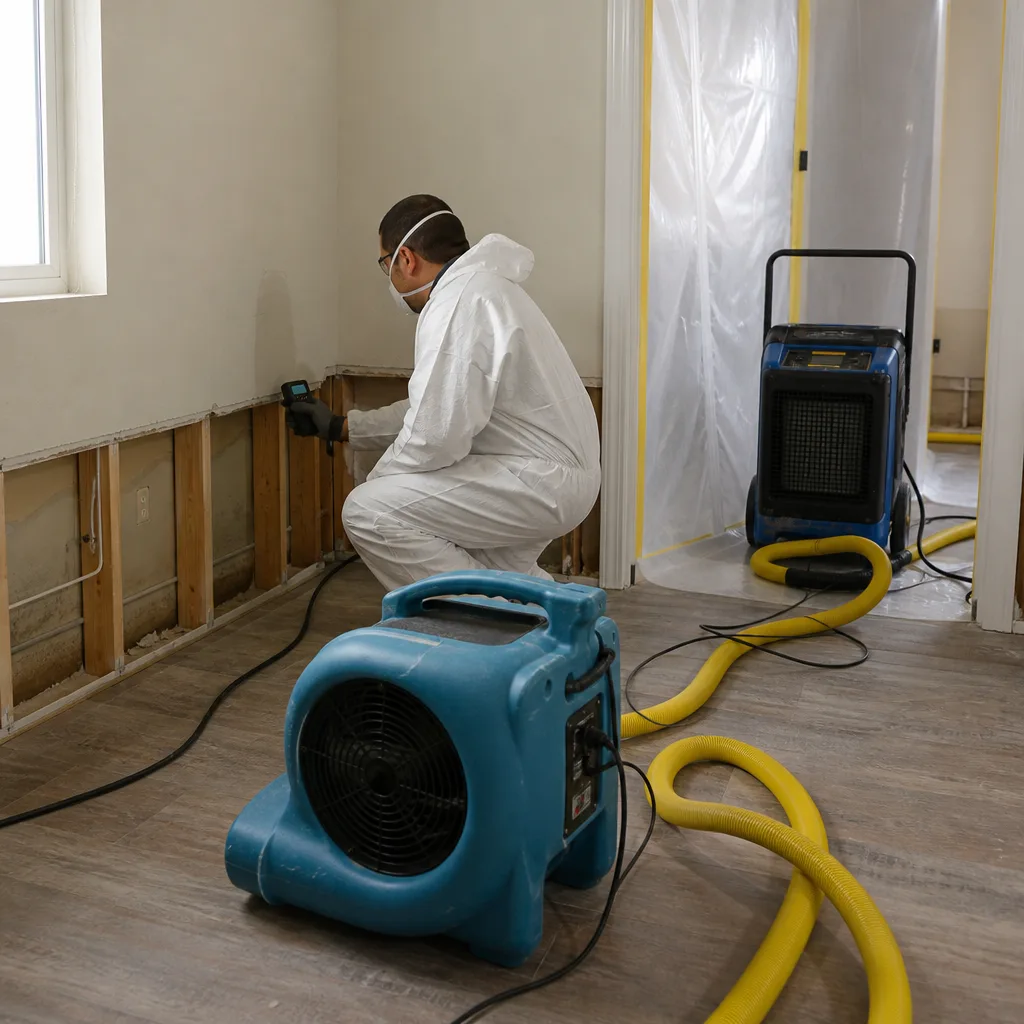 After
After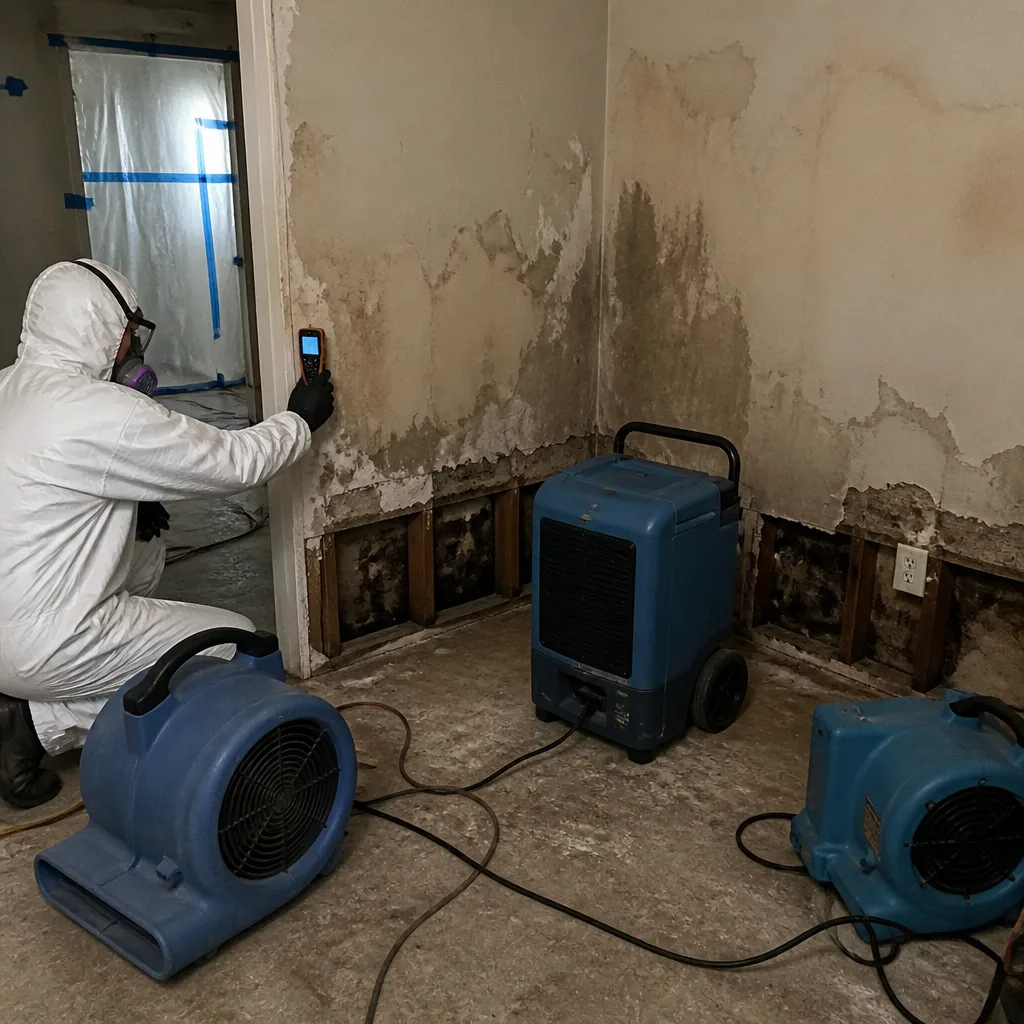 Before
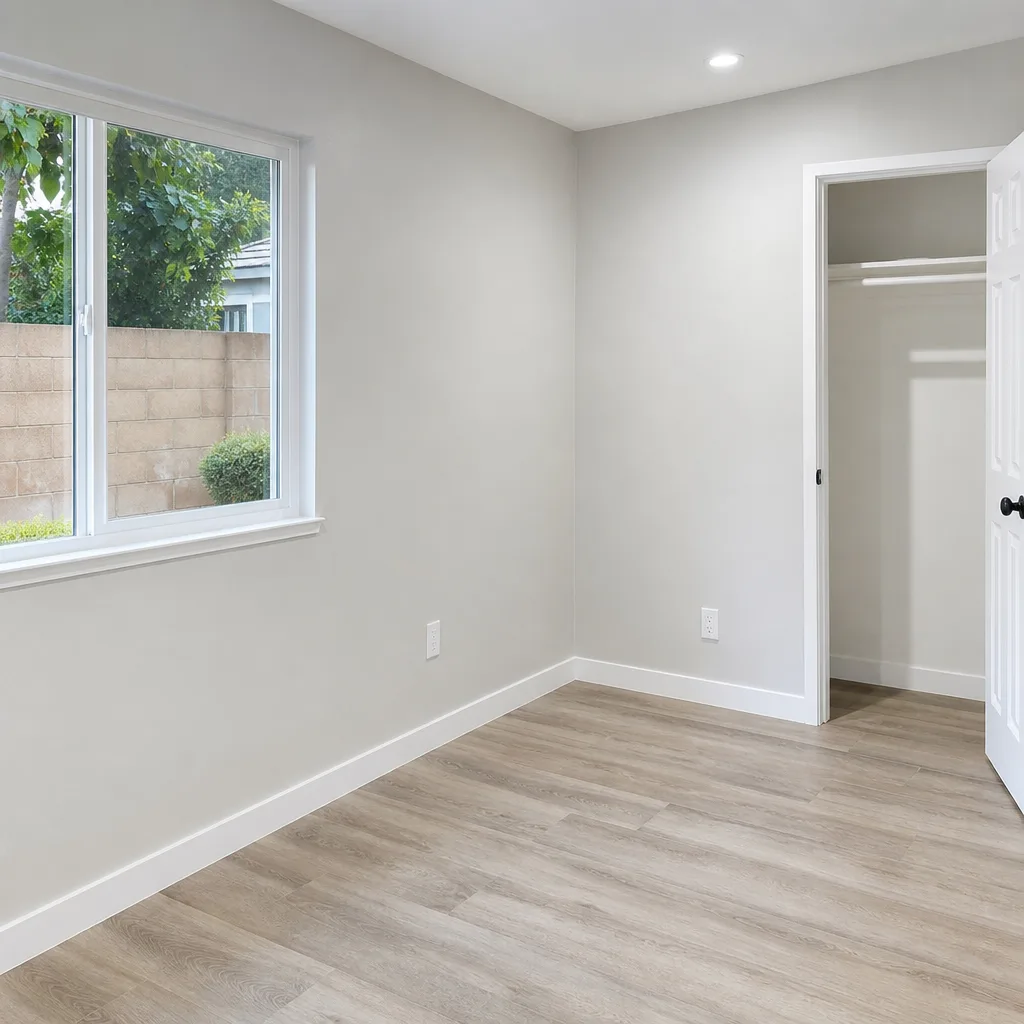 After
After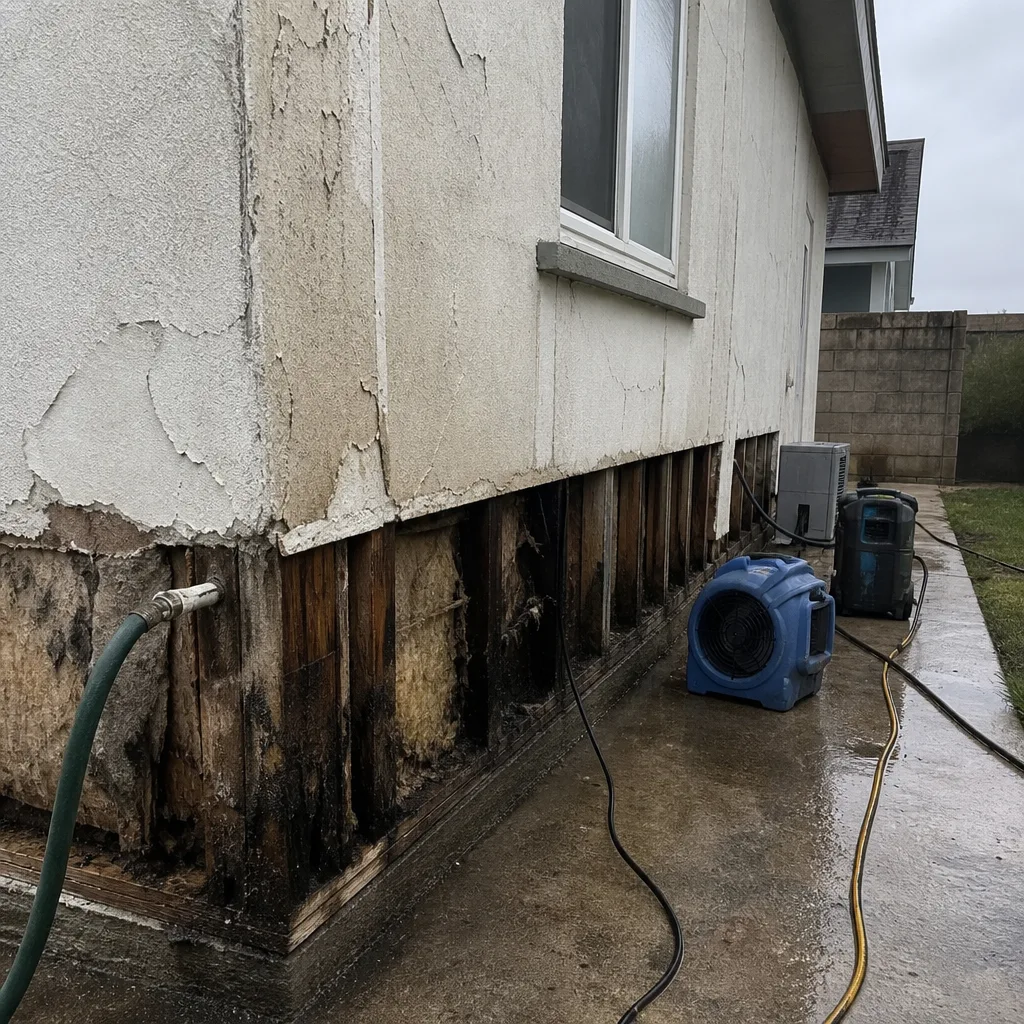 Before
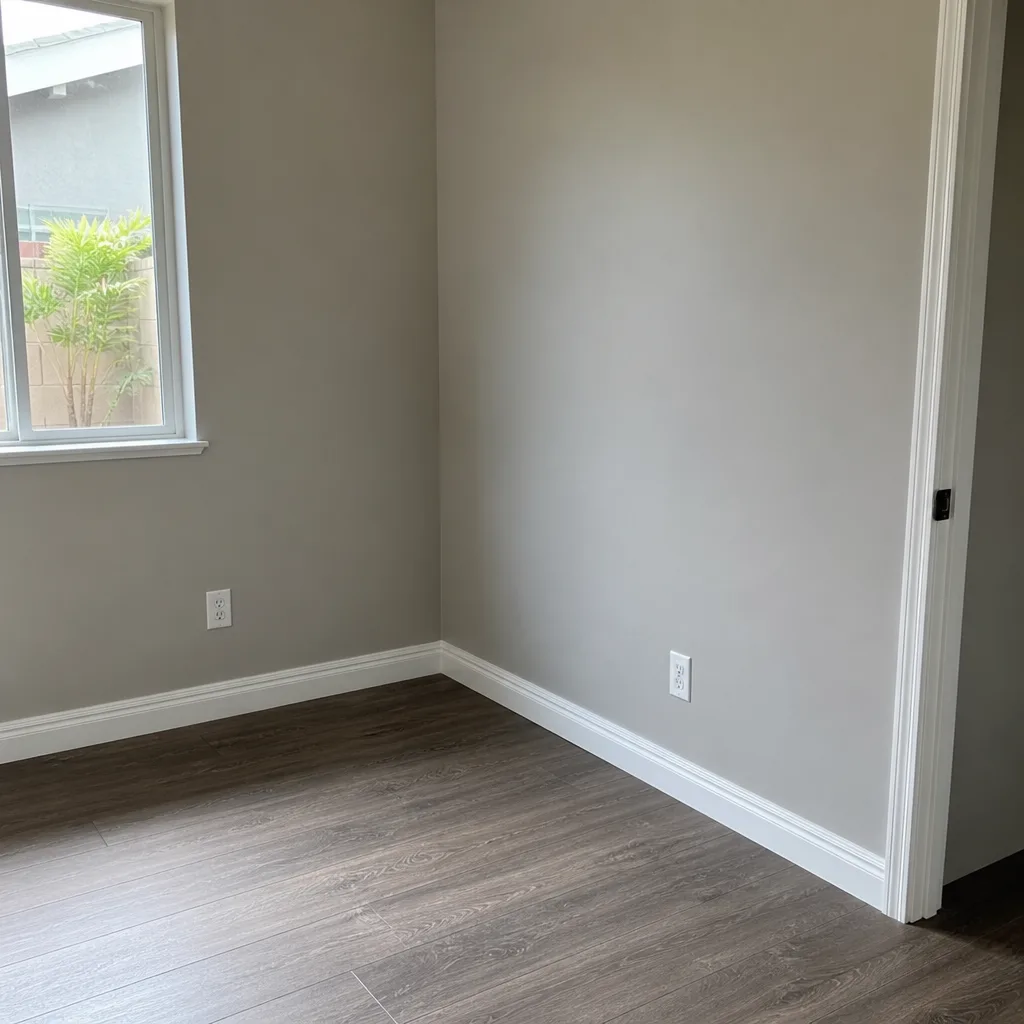 After
AfterWater Damage Restoration Maintenance Checklist for Santa Ana Homeowners
The average Santa Ana home insurance claim for water damage is filed 11 days after the source problem was already visible. That gap between first sign and first call is where most preventable losses become expensive ones. In our experience restoring over 12,000 homes since 2011, the homeowners who recover fastest are the ones who treated maintenance as documentation, not just observation. This checklist gives Santa Ana homeowners specific readings, inspection intervals, and recording habits that create a paper trail before water ever hits your subfloor.
Quick Answer
A water damage restoration maintenance checklist for Santa Ana homeowners should include monthly humidity readings by room type (under 60% RH living areas, under 50% RH crawl spaces), quarterly photo documentation of water heater connections and HVAC drain lines, annual supply line replacement for braided steel hoses over 5 years, and pre-wind-season inspection of exterior seals before Santa Ana wind events depressurize your structure. Record everything with dates and readings so your maintenance log becomes baseline evidence if you ever file a claim.
Table of Contents
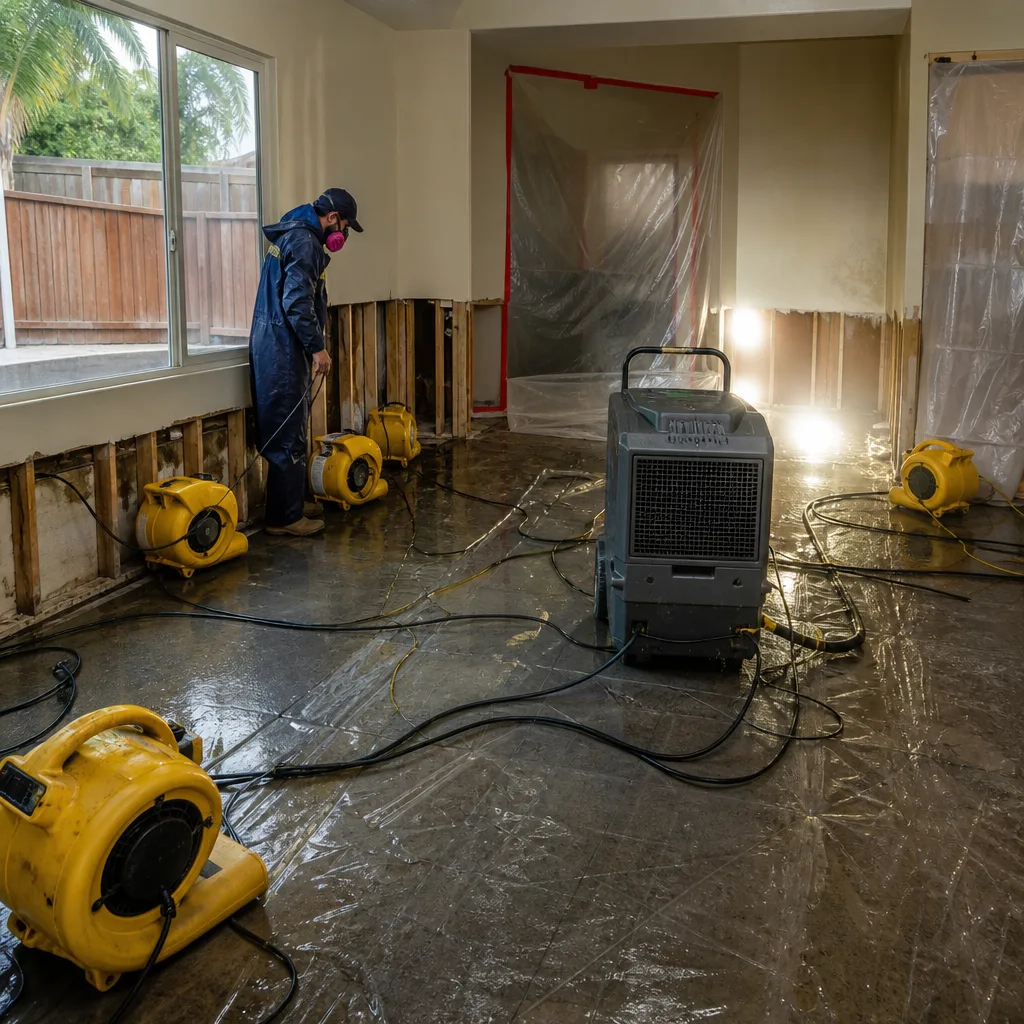
- Humidity Thresholds by Room Type: What Santa Ana’s Dry Air Hides
- How to Build a Dated Photo Log That Strengthens Future Claims
- Plumbing Supply Line Ages and Replacement Intervals
- Preparing for Santa Ana Wind Events: Seasonal Checks
- Appliance and System Inspection Schedule
- Documenting Inspections as Baseline Evidence
- Common Mistakes to Avoid
- When to Call a Professional
- Frequently Asked Questions
BeforeAfterHumidity Thresholds by Room Type: What Santa Ana’s Dry Air Hides
Santa Ana’s exterior relative humidity often drops below 40% in afternoon hours, especially during autumn wind events. That dry air outside creates a false sense of security. Inside your walls, under your sinks, and in your crawl space, moisture can accumulate in pockets that exterior readings never reveal.
We use psychrometric data, the measurement of how temperature and humidity interact in air and materials, to set drying targets on every job. Homeowners can apply the same principle with a $15 digital hygrometer. Here’s what we measure on restoration jobs and what you should record at home:
| Location | Target Relative Humidity | Check Frequency | Action if Exceeded |
|---|---|---|---|
| Living areas, bedrooms | 30-50% RH | Monthly | Check for hidden leaks; increase ventilation |
| Bathrooms (post-shower) | Below 60% RH within 30 min | Weekly | Run exhaust fan longer; check fan CFM rating |
| Crawl spaces | Below 50% RH | Monthly | Inspect vapor barrier; check perimeter drainage |
| Garages (attached) | Below 55% RH | Monthly | Check slab perimeter for water intrusion |
| Attics | Below 60% RH | Seasonally | Verify soffit and ridge vent flow; check for roof leaks |
| Laundry rooms | Below 55% RH | Monthly | Inspect washer hoses and drain standpipe |
The critical distinction for Santa Ana homeowners is crawl space management. Many homes in the Morrison Park, Floral Park, and Washington Square neighborhoods were built with partial crawl spaces over slab-on-grade foundations. These hybrid constructions create cold joints where concrete meets framing, and vapor pressure differential, the force that pushes moisture from wet areas to dry ones, drives ground moisture into those seams. A reading of 52% RH in your crawl space during a dry October Santa Ana wind event is actually more concerning than 65% RH during a humid spring morning, because the dry exterior air is pulling that moisture through your structure faster.
We document vapor pressure differential on every drying job using professional-grade meters that meet IICRC standards. Homeowners should focus on the simpler metric: if your crawl space consistently reads above 50% RH while your living room reads 35%, you have a moisture source that needs addressing, not just a ventilation problem.
How to Build a Dated Photo Log That Strengthens Future Claims
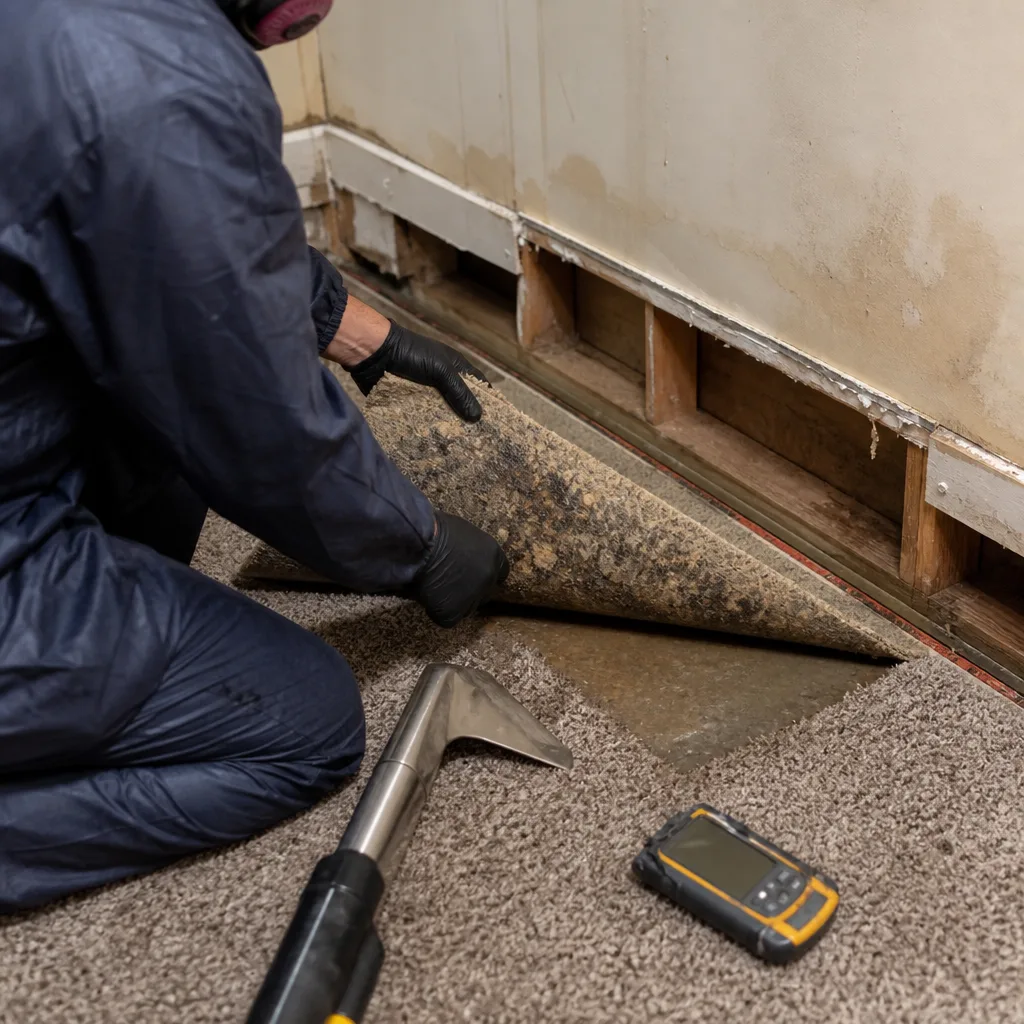
Insurance adjusters deny or reduce water damage claims when they cannot establish that the loss was sudden and accidental, as opposed to long-term maintenance neglect. A dated photo log of high-risk areas, taken before any damage occurs, shifts that burden of proof. We built our documentation protocols around this reality after seeing too many Santa Ana homeowners lose coverage over disputes about when a leak actually started.
Here’s the system we recommend, based on the photo records we produce on every DryMark Restoration Santa Ana home visit:
- Choose 8-12 fixed locations. Water heater connections (cold inlet, hot outlet, temperature-pressure relief valve discharge), washing machine supply hoses, dishwasher supply and drain, refrigerator ice maker line, HVAC condensate drain line and pan, kitchen sink cabinet floor, bathroom vanity cabinet floor, toilet flange base, exterior hose bibs, slab joints visible in garage, and any prior repair areas.
- Photograph from identical angles each time. Stand in the same spot, use the same camera orientation, include a dated newspaper or digital timestamp overlay. Consistency lets you overlay images to spot changes.
- Record one close-up and one context shot per location. The close-up shows connection condition; the context shot proves which fixture and which room, eliminating adjuster disputes about location.
- Name files with date-location-sequence format. Example: 2024-03-15_WaterHeater_Closeup_01.jpg. This naming convention makes retrieval instant during a claim.
- Store in two locations. Cloud storage plus a local external drive. Water damage often damages the device where your only copy lives.
- Review quarterly, not just annually. Mineral buildup, corrosion staining, and hose fatigue show progressively. Quarterly intervals catch the transition from “worn” to “failing.”
In Santa Ana’s older neighborhoods like Heninger Park and Madison Park, galvanized steel supply lines and original slab construction create additional documentation priorities. Photograph any visible slab cracks with a ruler for scale, and note if cracks widen seasonally. We have documented cases where slab movement from clay soil expansion, common in central Orange County, sheared toilet flange connections and caused slow leaks that went undetected for months. A photo log with measurable crack widths would have established pre-loss condition and supported faster claim resolution.
The photo record we deliver on every restoration job includes moisture readings, equipment placement, and daily progress. Your maintenance photo log should include the same rigor: not just “looks fine” but “no corrosion visible, no moisture on cabinet floor, hygrometer reading 42% RH.”
Plumbing Supply Line Ages and Replacement Intervals
Not all supply lines fail at the same rate, and Orange County housing stock contains three distinct generations of materials with different failure profiles. Knowing which generation your home contains lets you replace before rupture rather than after flooding.
Braided stainless steel flex lines: These are the most common in Santa Ana homes built or renovated after 2000. The braided sheath protects a rubber or polymer core. That core degrades from chlorine exposure and flex stress at the crimp fittings. Our field data, drawn from thousands of extraction jobs, shows failure risk rises sharply after 5 years for lines under constant pressure (toilets, water heaters) and after 7 years for intermittent-use lines (washing machines, dishwashers). Replacement interval: every 5 years for constant-pressure lines, every 7 years for intermittent-use lines. Cost in Santa Ana: $15-40 per line in materials, or $120-200 for professional replacement of a full set including shutoff valve inspection.
PEX (cross-linked polyethylene): Common in homes built 2005-2015 and in many renovations. PEX resists scale and chlorine better than copper, but early-generation PEX-A and PEX-B fittings can fail from UV exposure or rodent damage in crawl spaces. Santa Ana’s dry climate actually increases UV degradation risk for any PEX run through attic spaces. Inspection interval: annual visual check of exposed runs for chalking, cracking, or gnaw marks. Replacement: only upon visible damage, but budget for fitting replacement at 15-20 years.
Copper with soldered joints: Prevalent in Santa Ana homes built before 1990, especially in the Delhi and Artesia Pilar neighborhoods. Copper itself lasts 50+ years, but soldered joints fail from thermal cycling and from pinhole corrosion caused by aggressive water chemistry. Orange County water is moderately hard and tends toward slight alkalinity, which reduces pinhole risk compared to some Southern California basins, but thermal cycling from tankless water heater retrofits has caused joint failures we have documented in Santa Ana homes. Inspection: annual check of visible joints for green corrosion (verdigris) or white mineral deposits indicating slow seepage.
Original polybutylene (“Quest” or gray pipe): Installed 1978-1995, now known to fail from chlorine degradation. If your Santa Ana home still contains polybutylene, replacement is not preventive maintenance; it is urgent risk mitigation. We have responded to dozens of polybutylene ruptures in central Santa Ana, and the damage is typically extensive because the pipe fails at multiple points simultaneously.
Document each line’s installation or replacement date in your maintenance log. If you purchased your home without this information, a licensed plumber can identify materials and estimate age. That documentation becomes part of your baseline evidence file.
Preparing for Santa Ana Wind Events: Seasonal Checks
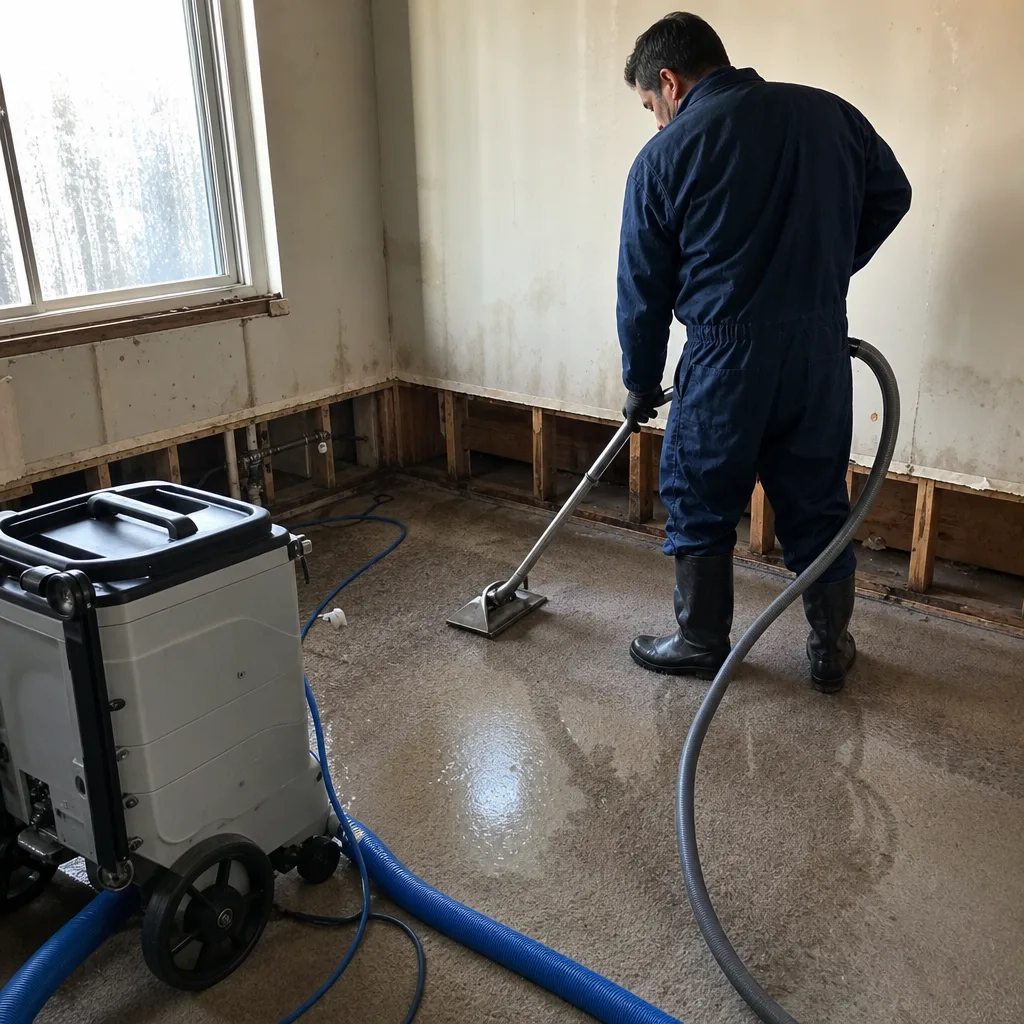
The Santa Ana winds create a unique water damage risk that most maintenance checklists ignore. These hot, dry, high-velocity winds depressurize structures, especially homes with any envelope compromise, and that pressure differential can pull exterior moisture into wall cavities through gaps that would otherwise remain benign.
We have documented this mechanism in Santa Ana restoration jobs where the water source was not roof failure but wind-driven moisture infiltration at stucco cracks, window flashing gaps, and improperly sealed penetrations. The moisture load is often small per event, but cumulative, and it concentrates in the wall cavity where it cannot be seen until mold or material failure appears.
Schedule these checks before the primary Santa Ana wind season, typically September through November, with a secondary window February through April:
- Exterior stucco and siding: Walk the perimeter and photograph any hairline cracks wider than 1/16 inch. Mark crack ends with pencil; recheck after wind season to detect extension. Cracks that lengthen are active and need sealing, not just cosmetic repair.
- Window and door flashing: Check weep holes for blockage, especially on windward exposures. Blocked weep holes trap water that wind then drives past the seal. Use a wire, not compressed air, to clear weep holes; compressed air can damage delicate flashing membranes.
- Roof penetrations: Vent pipes, chimney flashings, and satellite mounts are common failure points. Look for lifted sealant, gaps between flashing and roofing material, and any debris accumulation that could hold moisture against the penetration.
- HVAC condensate lines: Santa Ana winds increase evaporative demand, causing systems to run longer and produce more condensate. Verify that primary and secondary drain lines are clear and that the safety float switch functions. We have extracted water from Santa Ana homes where a clogged condensate line overflowed during a wind-event heat spike.
- Exterior hose bibs and irrigation backflow preventers: Wind can dislodge poorly secured backflow assemblies, and freeze risk, though low in Santa Ana, exists in exposed assemblies during clear, cold wind nights. Check for cracks in vacuum breaker caps that could allow contamination or leakage.
The critical documentation step: photograph each checked area with the date, note any findings, and schedule repairs before the next wind event. A crack that admits moisture in October will admit more in November, and your dated photo log proves you maintained the envelope proactively.
Appliance and System Inspection Schedule
Appliances account for roughly 30% of residential water damage claims in Orange County, with washing machines, water heaters, and HVAC systems leading the list. The inspection schedule below specifies what to check, what to measure, and what threshold triggers action.
Water Heater (Every 6 Months)
Check the temperature-pressure relief valve by lifting the test lever briefly; water should discharge freely and stop when released. If it dribbles continuously, the valve is failing and must be replaced before pressure buildup risks tank rupture. Inspect the drain pan for moisture or rust; any water in the pan indicates a leak, however small. Record the tank manufacture date; most tank water heaters in Santa Ana’s moderately hard water fail between 8 and 12 years. If your tank is approaching 8 years, budget for replacement and inspect quarterly rather than semiannually.
Washing Machine (Every 3 Months)
Turn off supply valves and check for stiffness or mineral buildup; valves that resist turning may fail to close in an emergency. Inspect hoses for bulging, cracking, or corrosion at fittings. Replace braided steel hoses every 5 years regardless of appearance; the internal polymer layer degrades invisibly. Verify the drain standpipe height is 18-30 inches above the trap to prevent siphoning. Check the floor beneath and behind the machine with a moisture meter if available; any reading above 15% wood moisture content indicates a slow leak.
Dishwasher (Every 6 Months)
Remove the kick plate and inspect the floor beneath with a flashlight; dishwasher leaks often run forward and pool under the kick plate before becoming visible. Check the supply line connection at the valve and at the dishwasher inlet for corrosion or moisture. Run a cycle and check the drain hose connection at the garbage disposal or sink tailpiece during drain cycle; this connection is a common failure point. Record the installation date; most dishwashers in Santa Ana’s water chemistry show supply line degradation at 7-9 years.
HVAC System (Every 3 Months During Cooling Season)
Replace or clean filters monthly during heavy use; restricted airflow increases evaporator condensation and can overwhelm the drain pan. Pour a cup of water into the condensate pan and verify it drains freely through the primary line; slow drainage indicates partial blockage that will overflow during peak load. Check the secondary pan beneath the air handler for any water; water in the secondary pan means the primary drain has failed or the pan is cracked. Verify the float switch is installed and functional; this device shuts down the system before overflow, and its absence is a code violation in California new construction but common in older Santa Ana homes.
Refrigerator Ice Maker (Annually)
Pull the refrigerator out and inspect the supply line for kinking, especially if the refrigerator has been moved for cleaning. Check the saddle valve piercing point for corrosion; these valves are notorious for slow leaks that rot floor structures. If your home has a saddle valve, consider replacing it with a proper shutoff valve during your next plumbing service; the $80-150 cost prevents the $3,000-8,000 floor damage we regularly document in Santa Ana kitchens.
Documenting Inspections as Baseline Evidence
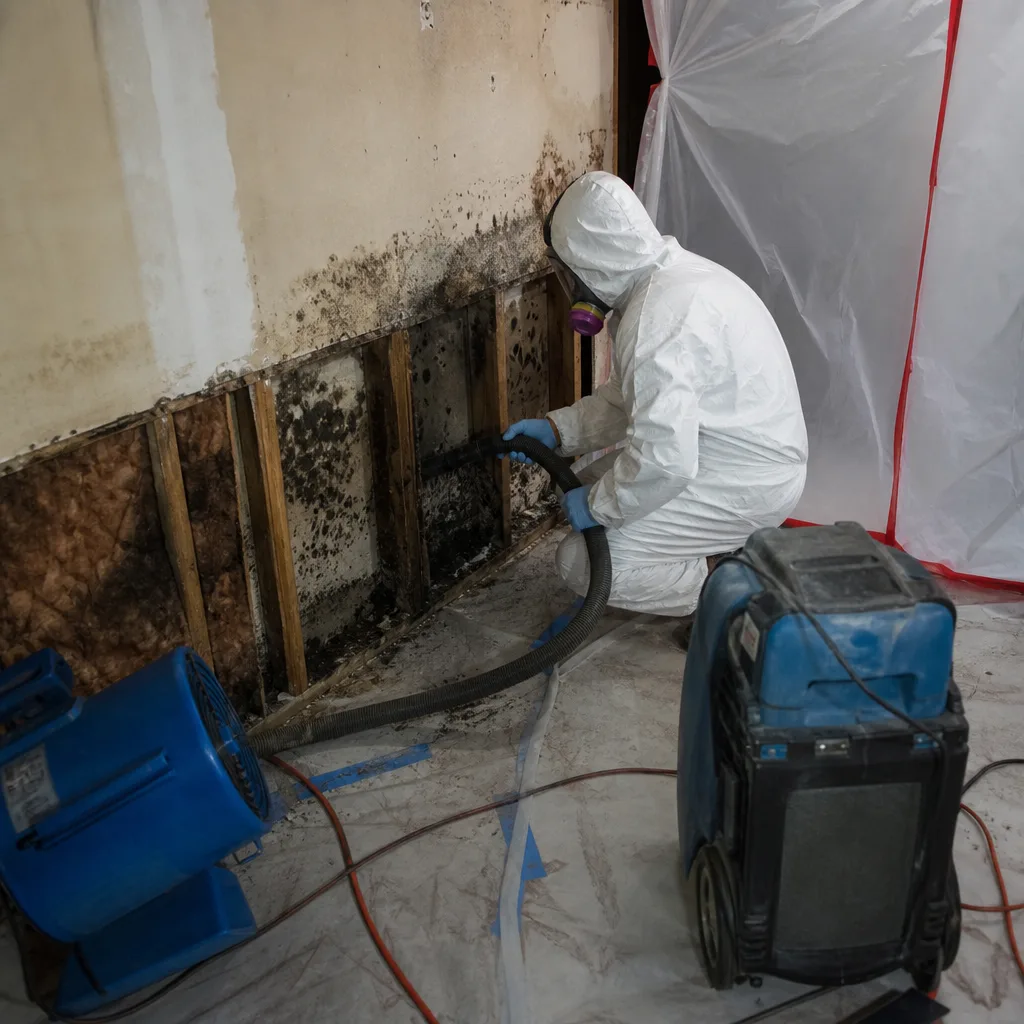
A maintenance checklist without documentation is just a memory aid. To function as evidence, your records must be contemporaneous, specific, and retrievable. We structure our restoration documentation to meet these standards on every job; your maintenance records should meet the same standard.
Create a single file, digital or physical, with this structure:
- Property profile: Address, construction year, prior water damage history, insurance policy number and carrier, agent contact. Update annually.
- System inventory: Water heater model and install date, HVAC system details, plumbing material types and known replacement dates, appliance ages. Update when systems change.
- Inspection log: Dated entries for each inspection, with readings (hygrometer, moisture meter if available), observations, and photographs referenced by file name. Use a consistent format: Date, Inspector, Location, Reading, Observation, Action Taken, Photo Reference.
- Repair and replacement receipts: Organized by system, with contractor names, license numbers, and warranty information. California requires licensed contractors for plumbing work over $500; verify licenses at cslb.ca.gov and record the verification date.
- Insurance correspondence: Any claims, even denied ones, with dates and adjuster names. Prior claims history affects future coverage and pricing; accurate records prevent disputes.
Store this file in cloud storage with local backup. If you ever file a water damage claim, provide the insurer with relevant portions of your maintenance log immediately. Adjusters respond to documented maintenance because it reduces their uncertainty about cause and duration of loss. We have seen claims move from disputed to accepted because a homeowner produced two years of dated humidity readings showing no prior moisture elevation.
The Haven Standard, which governs every DryMark Restoration Santa Ana home we service, requires that we deliver a written scope, a photo record, and daily moisture logs on every job. Your maintenance documentation should mirror that rigor. A handwritten note reading “checked pipes, looked fine” has no evidentiary value. A dated entry reading “3/15/2024, water heater TPR valve tested, discharged properly, no pan moisture, RH 38%, photos WH-0315-01 through 04” establishes baseline condition with specificity an adjuster can verify.
Common Mistakes to Avoid
- Relying on exterior humidity to indicate interior conditions. Santa Ana’s dry air tells you nothing about your crawl space or wall cavities. Measure where moisture actually accumulates, not where you happen to be standing.
- Photographing only after discovering a problem. Post-damage photos prove damage existed; they do not prove it was sudden. Pre-damage photos of the same location establish baseline condition and support sudden-and-accidental coverage.
- Ignoring water heater age until failure. Tank ruptures cause the highest-volume residential water damage we respond to in Santa Ana. The 8-12 year replacement window is not conservative; it is the observed failure distribution in Orange County water chemistry.
- Using the same braided steel hoses for a decade because they “look fine.” The polymer core degrades chemically, not visibly. Five years is the replacement interval; “looks fine” is not a measurement.
- Failing to document contractor license verification. Unlicensed repair work can void insurance coverage and complicate claims. Record the CSLB license check for any plumber or restoration contractor you hire.
- Skipping wind-season preparation because “it doesn’t rain here.” Santa Ana wind events drive moisture infiltration without rainfall. The damage mechanism is pressure-driven, not precipitation-driven.
- Storing documentation only on a phone or local computer. Water damage destroys electronics. Cloud storage with automatic backup is essential; local-only storage fails when you need records most.
When to Call a Professional
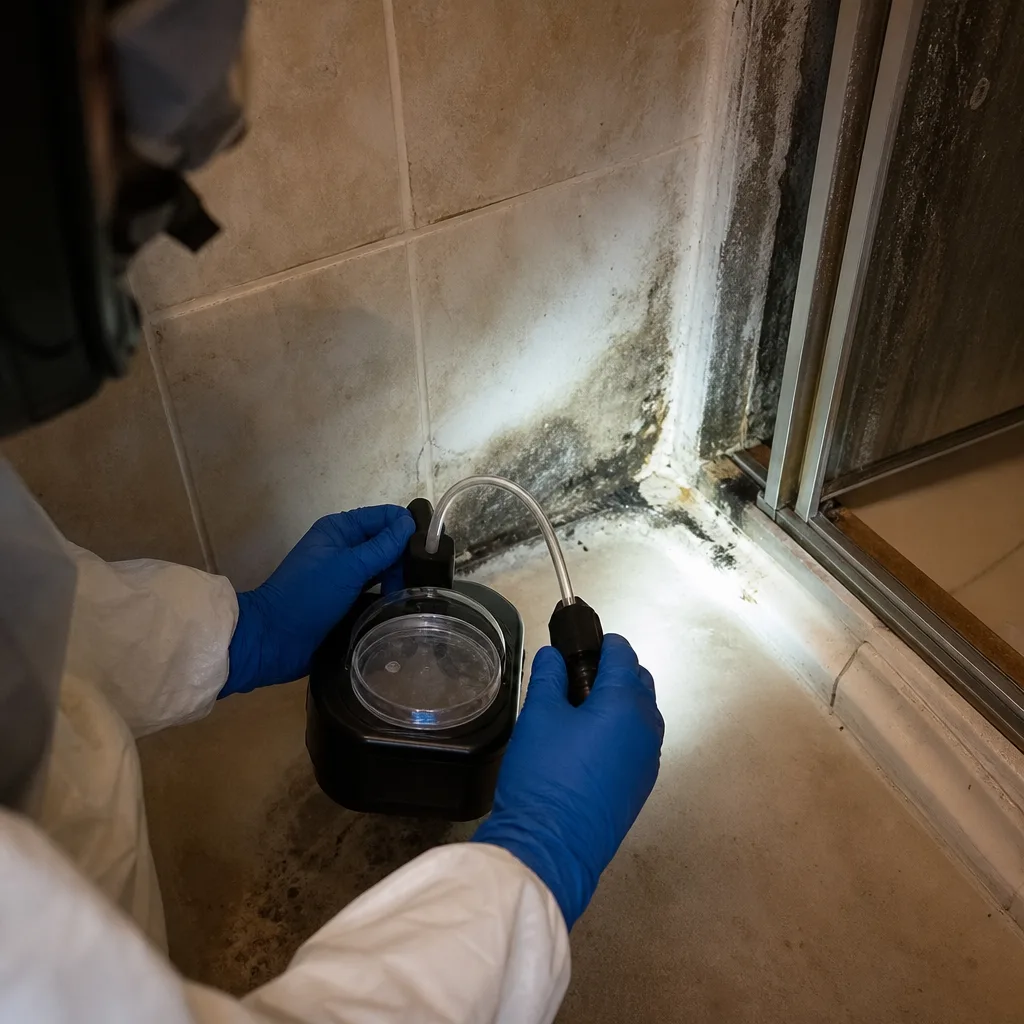
Some maintenance transitions to mitigation when the threshold exceeds homeowner capability or safety. Call a licensed restoration professional if you discover moisture readings above 20% in wood framing, visible mold growth of any size, water that has reached subflooring or wall cavities, or any supply line rupture that has released more than a few gallons. These conditions require professional-grade drying systems, containment, and documentation to prevent secondary damage and to satisfy insurance requirements.
DryMark Restoration Santa Ana offers free estimates in Santa Ana. Our technicians arrive with moisture meters, thermal imaging, and the documentation protocols that turn restoration invoices into payable claims. If you have a competitor’s estimate, we provide a free second opinion review under our standard practice of transparent pricing. Call (657) 300-9903 to schedule.
Frequently Asked Questions
Water damage restoration in Santa Ana typically ranges from $1,200 for limited Category 1 clean water extraction and drying to $8,500+ for Category 2 or 3 losses with wall cavity drying and material removal. The critical variable is how quickly drying begins; every 24 hours of delay increases the affected area and the final invoice. DryMark Restoration Santa Ana provides a written price before any work starts, with no additions once the crew is inside. Call (657) 300-9903 for an exact quote; estimates are free.
Most Santa Ana homeowners policies cover sudden and accidental water damage but exclude long-term leaks the homeowner knew or should have known about. Your maintenance documentation, humidity readings, and photo logs are the evidence that establishes whether a leak was undetectable. Without documentation, the insurer may classify any hidden leak as long-term and deny coverage. We recommend documenting all inspections precisely for this reason.
DryMark Restoration Santa Ana answers calls live 24 hours a day, 7 days a week with no voicemail trees. Emergency dispatch for active water intrusion typically arrives within 60-90 minutes in central Santa Ana neighborhoods including Downtown, Logan, and Lacy. Response time to outlying areas like Southeast Santa Ana depends on traffic and current call volume. For non-emergency assessments, we schedule next-day appointments with a two-hour arrival window.
Consumer fans move air but do not control humidity or create the vapor pressure differential needed to extract moisture from wall cavities and subflooring. Professional drying systems from Dri-Eaz, Phoenix, and XPOWER generate controlled airflow, dehumidification, and heat that achieves IICRC-dry standards in structural materials. Without this equipment, moisture remains trapped and causes mold growth within 48-72 hours. We document daily moisture logs showing progressive drying; fans alone produce no such documentation and no insurance-acceptable proof of dry.
Santa Ana winds depressurize building envelopes, creating negative pressure inside relative to outside. This pressure differential pulls air and any accompanying moisture through gaps in stucco, flashing, and penetrations. The moisture load per event is small, but cumulative exposure over multiple wind seasons can saturate wall cavities. The damage is often discovered only when interior finishes show staining or mold, by which time the structural cavity has been wet for months or years.
You should receive a written scope of work with line-item pricing before any work begins, a photo record of damage and of each day’s progress, daily moisture readings with psychrometric data, and a final report certifying dry conditions. DryMark Restoration Santa Ana delivers all of these as standard practice, not upgrades, along with the 365-Day Done Right Promise backed by The Haven Standard. Any company that cannot produce these documents is not providing restoration to industry standard.
The Bottom Line
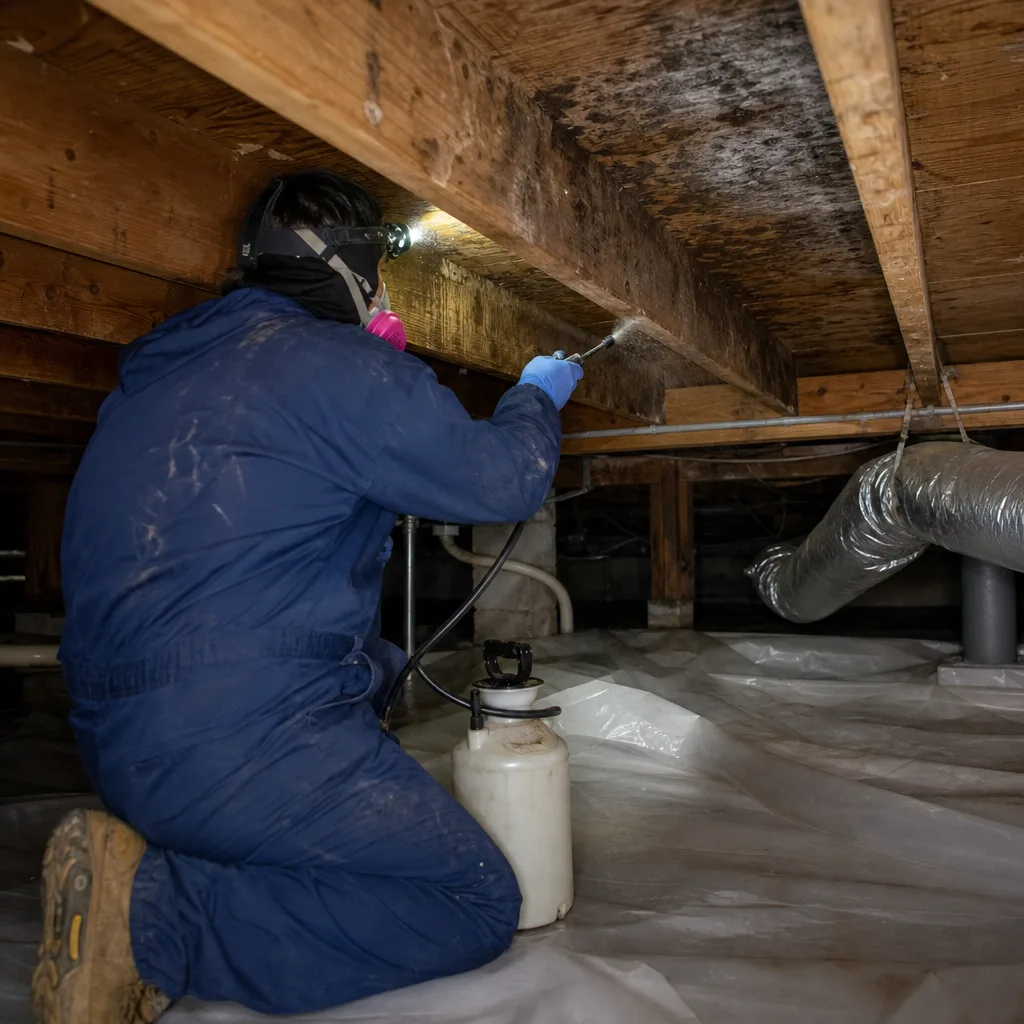
Water damage prevention in Santa Ana is not about vigilance alone; it is about measurable thresholds, dated records, and replacement intervals you can defend to an adjuster. This checklist gives you specific numbers to record, specific photos to take, and specific intervals to follow. The 11-day gap between first sign and filed claim is where most losses become expensive; close that gap with documentation that proves you maintained your home to standard. If water damage does occur, your maintenance log becomes your most valuable piece of evidence. And if you need professional restoration, choose a company that documents with the same rigor you do.
Written by Alicia Brennan, Owner at DryMark Restoration Santa Ana, serving Santa Ana since 2011.