
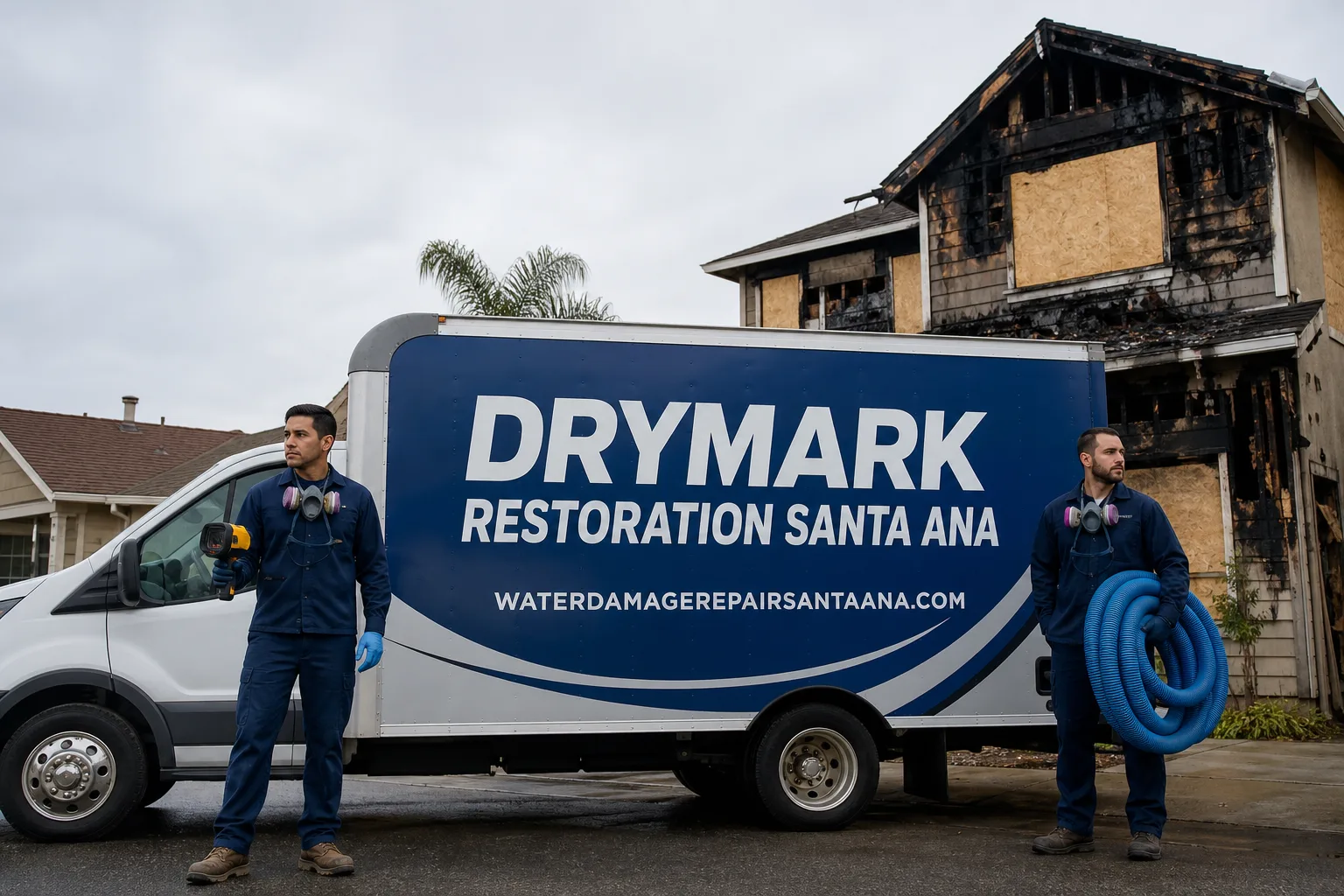
Free visual inspection and a written scope of work before any mitigation begins - photos, moisture readings, and drying logs go in your claim file
The scope we write is the scope we bill. Anything new gets shown to you, in writing, before we touch it.

 Before
 After
After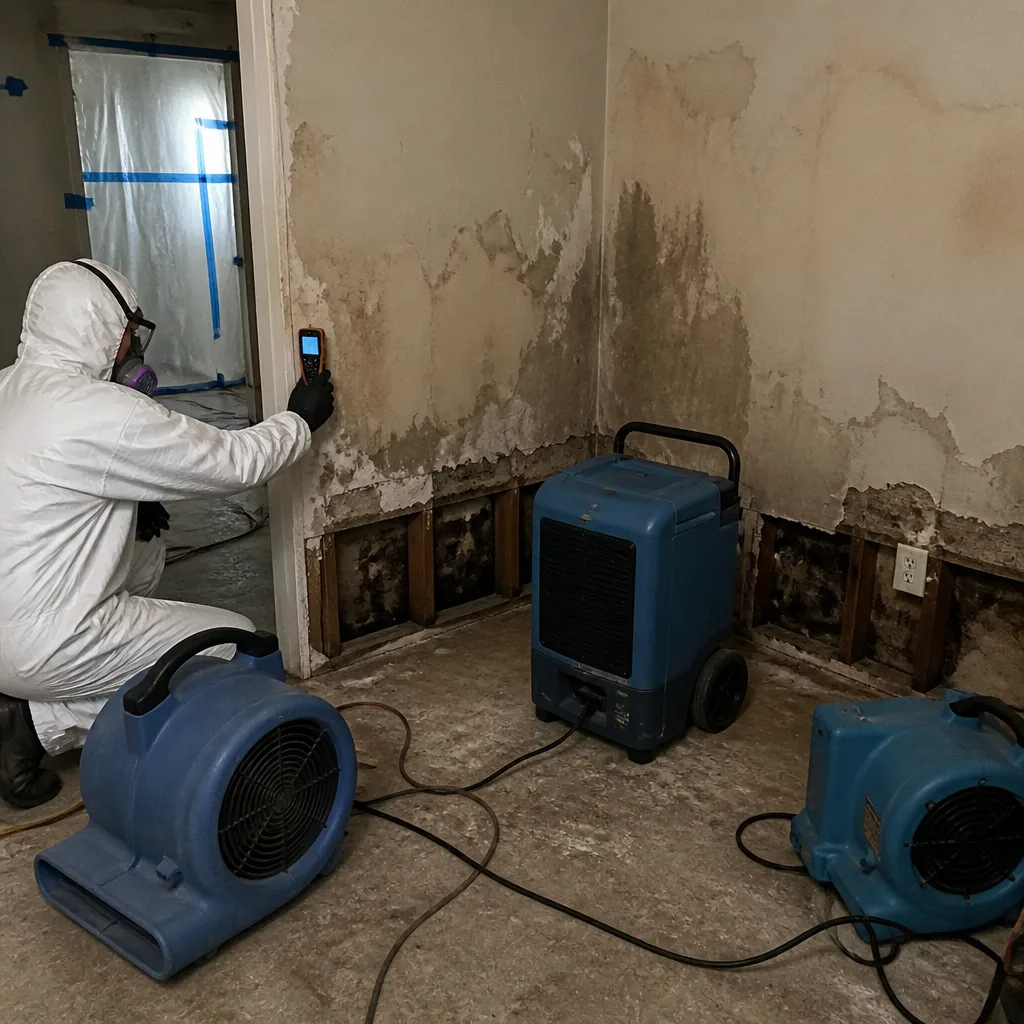 Before
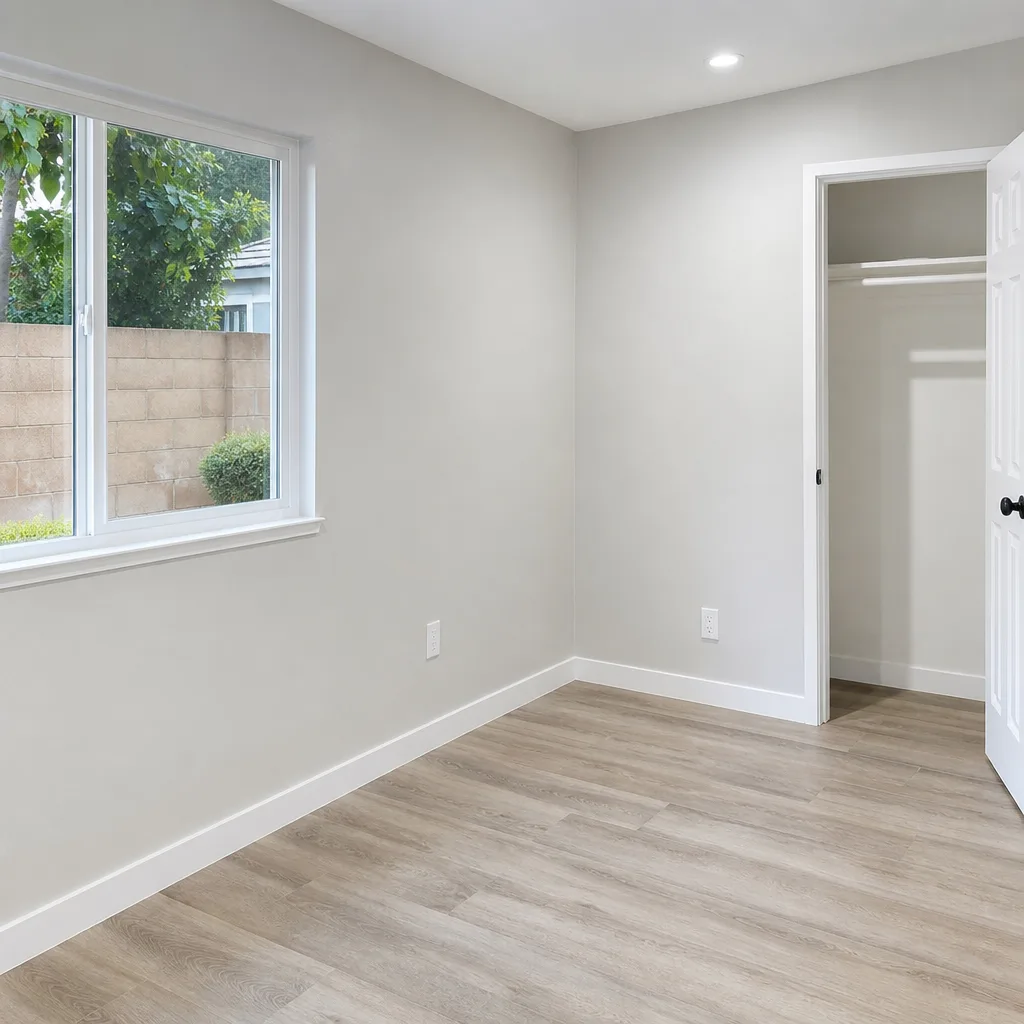 After
After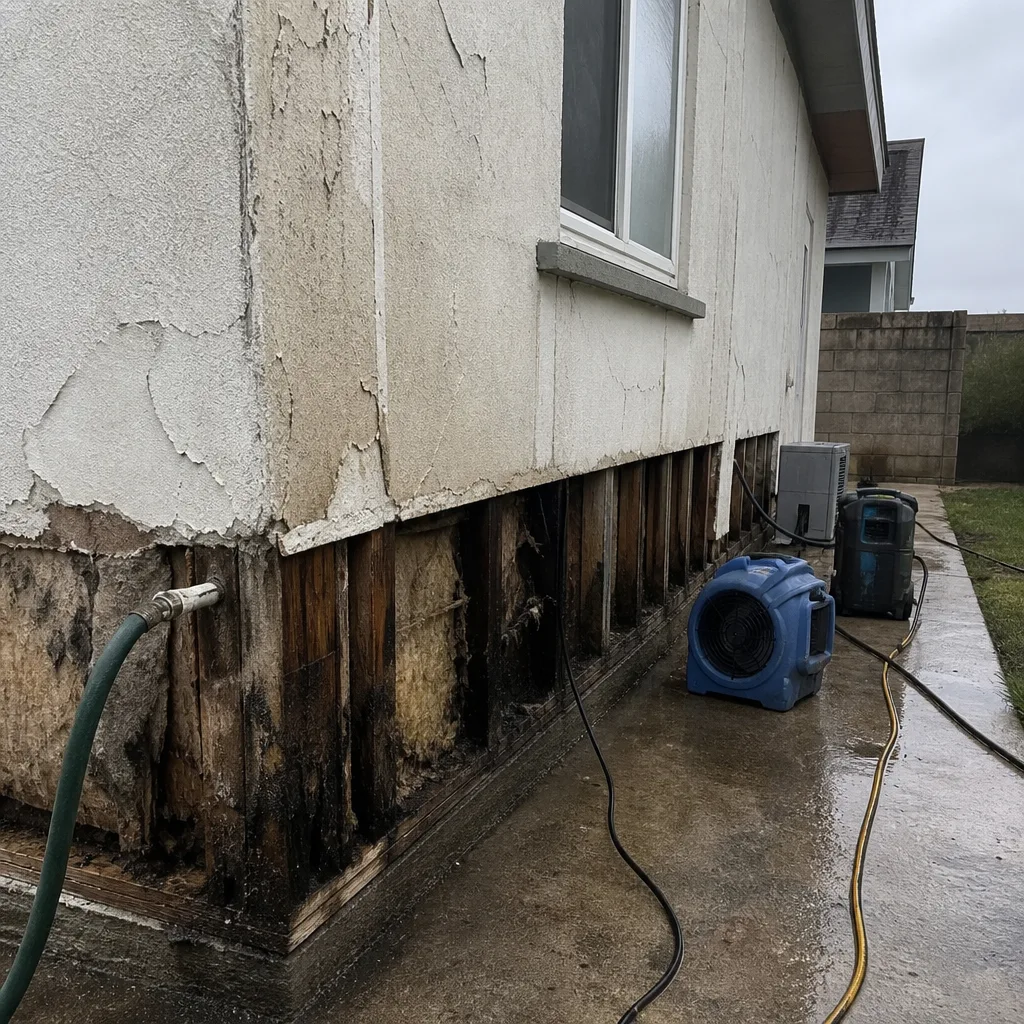 Before
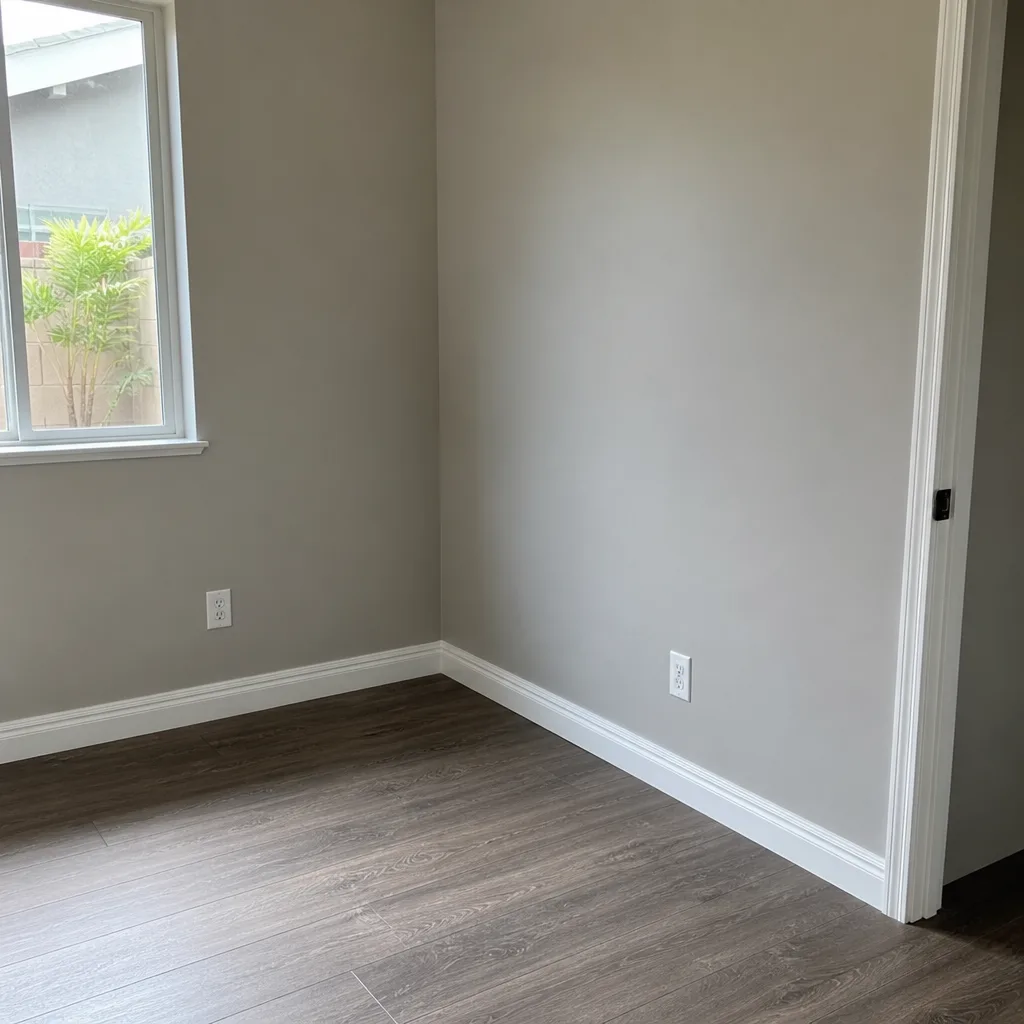 After
AfterFast, Reliable Mold Remediation Across Newport Beach
Mold remediation in Newport Beach typically runs $2,800-$7,500 for whole-room treatment and $450-$1,200 for localized inspection and testing, with most projects scoped and started within 24 hours of your call. We serve Newport Beach from our Los Angeles office, with crews who understand that coastal mold here isn’t the same problem it is a few miles inland. Call (657) 300-9903 for a written estimate before any work begins.
The marine layer off Newport Harbor keeps relative humidity elevated inside coastal structures year-round. That shortens the window between a water loss and secondary mold growth, and it means standard inland drying targets often fail here. On Balboa Island and the Balboa Peninsula, king-tide flooding pushes bay water through storm drains and low seawalls into garages and slabs without a drop of rain, leaving hygroscopic salt crystals that continue wicking ambient moisture into wall cavities long after visible water is gone. We’ve treated homes where the surface read dry but mold colonized the base of the wall within days because the salt-crystal mechanism was missed entirely.
Why DryMark Restoration Santa Ana Is Newport Beach’s Preferred Mold Remediation Company
We’ve restored more than 12,000 homes since 2011, every one with a written price before work started and a documented photo record when the crew left. In Newport Beach, that documentation habit matters more than usual: insurers here see a higher rate of reopened claims because initial scopes treated saltwater intrusion as standard freshwater damage. Our daily drying logs, room-by-room moisture readings, and photo-documented assessments turn restoration invoices into claims adjusters pay without a fight.
Our Mold Remediation team knows the local housing stock. Balboa Island and the Peninsula are dense with 1920s-1940s beach bungalows on minimal lots with shallow foundations, aging cast-iron or galvanized supply lines, and little clearance between structure and grade. Newport Coast and Crystal Cove shift to 2000s-2010s luxury tract construction with large square footage and high-end finishes that drive replacement costs dramatically higher. We scope accordingly.
Live phone coverage answers every call, 24 hours a day, 7 days a week, with no voicemail trees. A written scope and price is delivered before anyone starts work, every time, with no scope-creep additions once the crew is inside. That’s Haven Standard, Clause 1.
Our Mold Remediation Services in Newport Beach
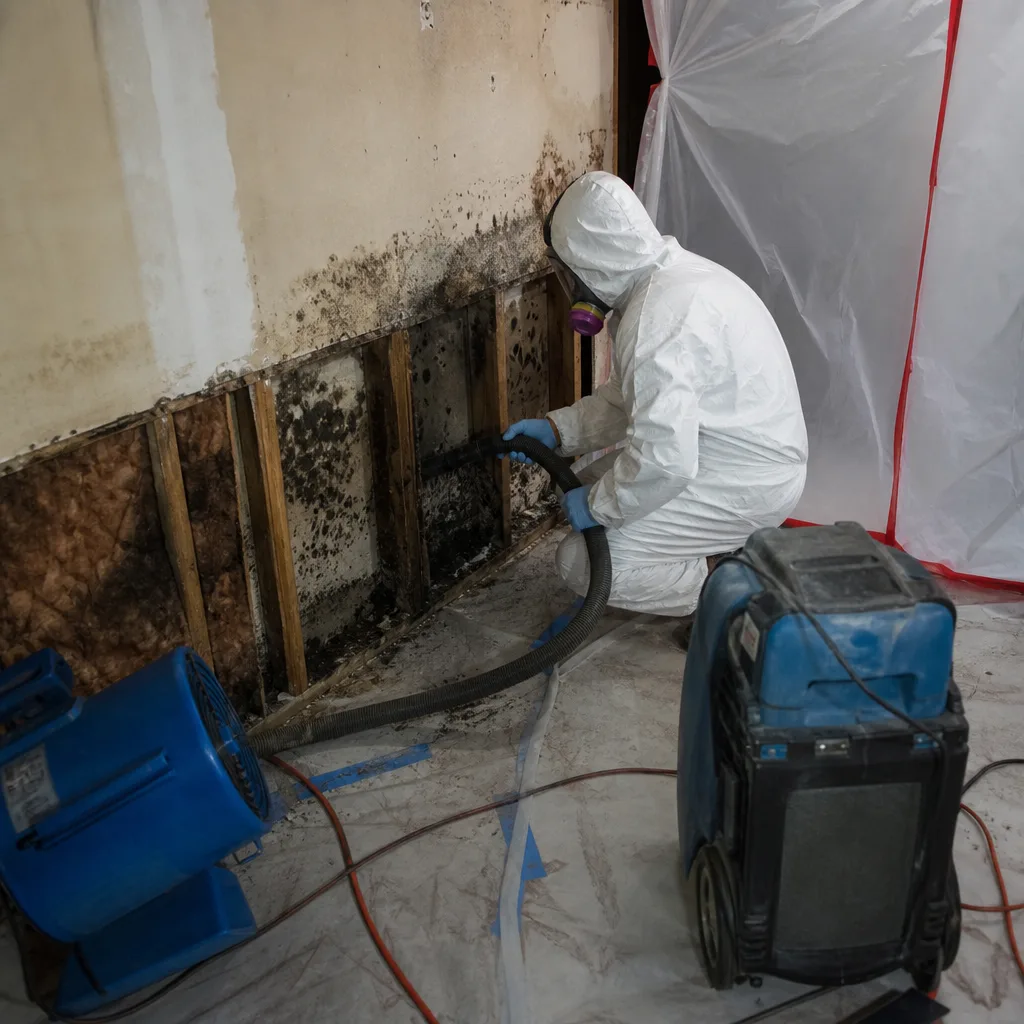
Mold Inspection & Testing
A mold inspection in Newport Beach starts with moisture mapping, not guesswork. We use thermal imaging and calibrated moisture meters to find the water source that feeds the colony, because killing mold without eliminating its moisture source guarantees recurrence. In coastal neighborhoods like Corona del Mar and the harbor islands, we test for salt-crystal residue in concrete and wall cavities, not just visible mold, since hygroscopic salts can sustain mold growth even when humidity reads normal. Air sampling and surface testing are sent to independent labs; results typically return within 48 hours. Typical inspection and testing in Newport Beach: $450-$1,200.
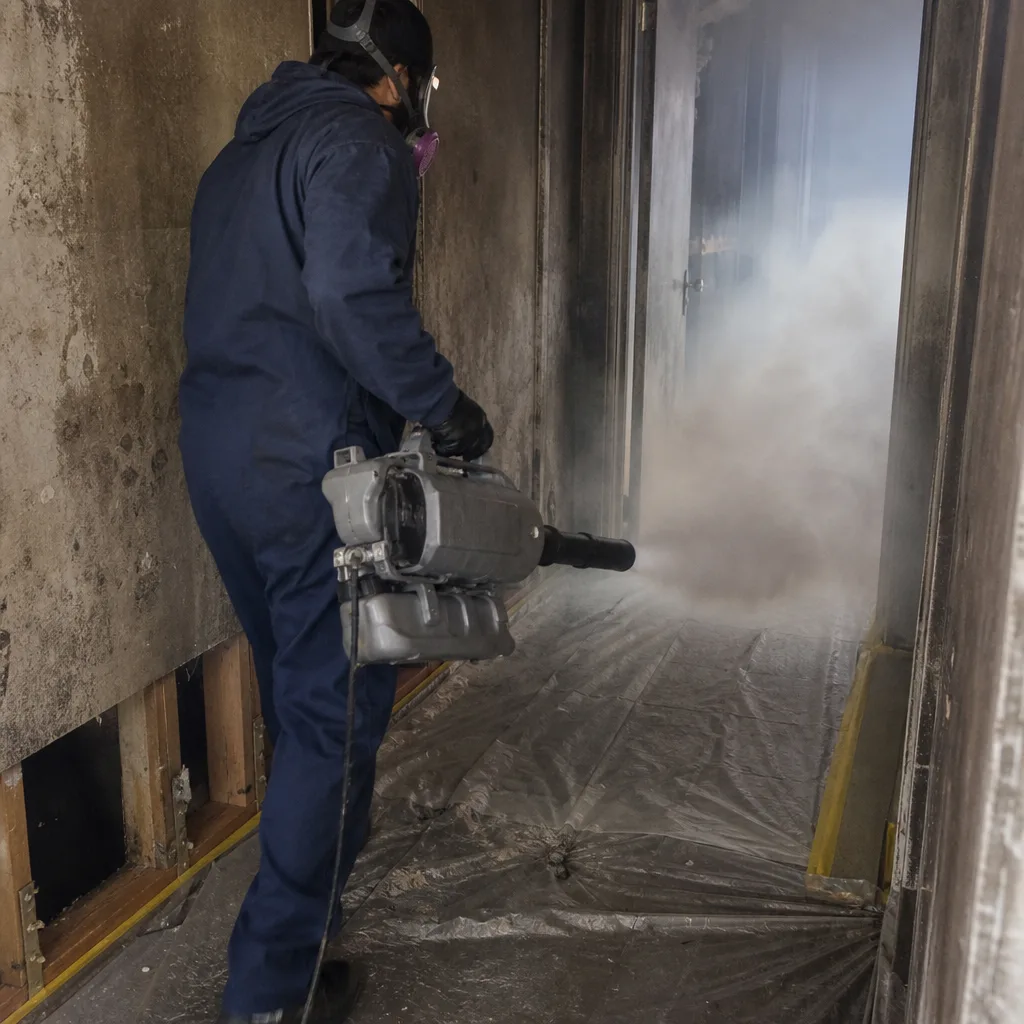
Mold Removal
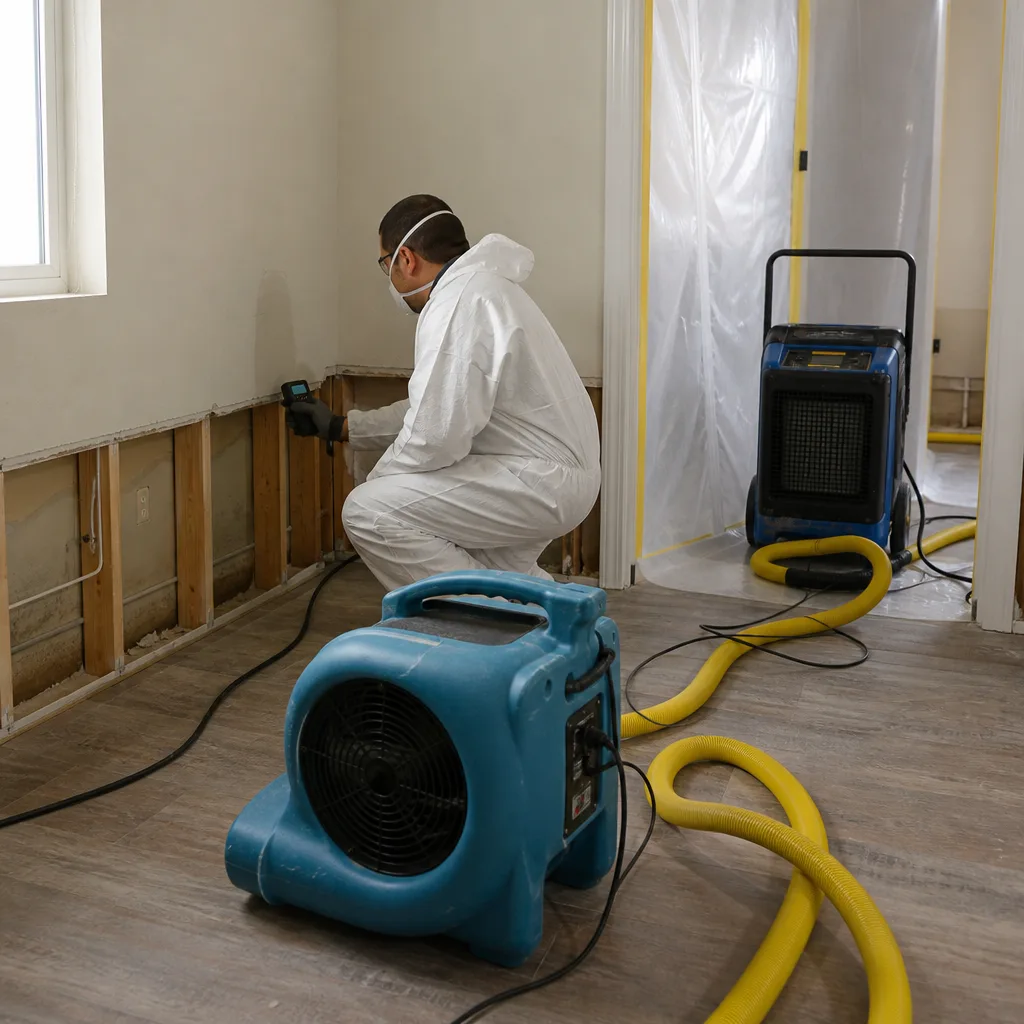
Removal follows IICRC S520 standards for containment, negative air pressure, and HEPA filtration. In Newport Beach’s older bungalows, we frequently find mold behind original plaster or lath where salt-air infiltration has degraded the wall assembly over decades. We don’t spray and pray. Affected materials are removed to the extent of contamination, antimicrobial treatment is applied to sound framing, and drying targets are set below coastal ambient, not just below the threshold that works inland. Replacement costs in Newport Beach run higher than county averages due to finish quality; our written scope details every line item before demolition starts.
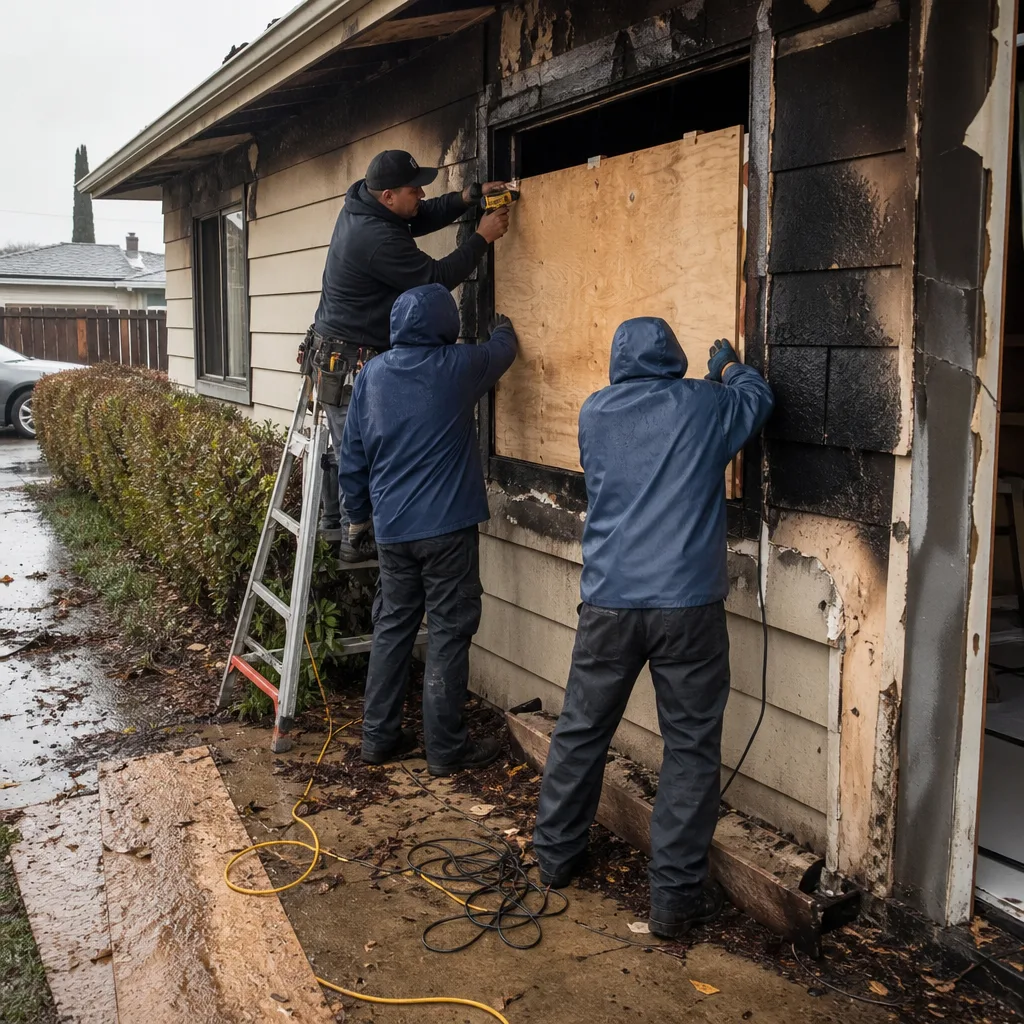
Black Mold Remediation
Stachybotrys and other toxigenic molds require stricter containment and PPE protocols. In Newport Beach, black mold often traces to chronic moisture from corroded plumbing in aging beach bungalows or from king-tide saltwater events that were inadequately remediated the first time. We establish full containment, deploy HEPA air scrubbers, and document every step with photos for your adjuster. The 365-Day Done Right Promise applies: if it’s not done right, we make it right, in writing under The Haven Standard.
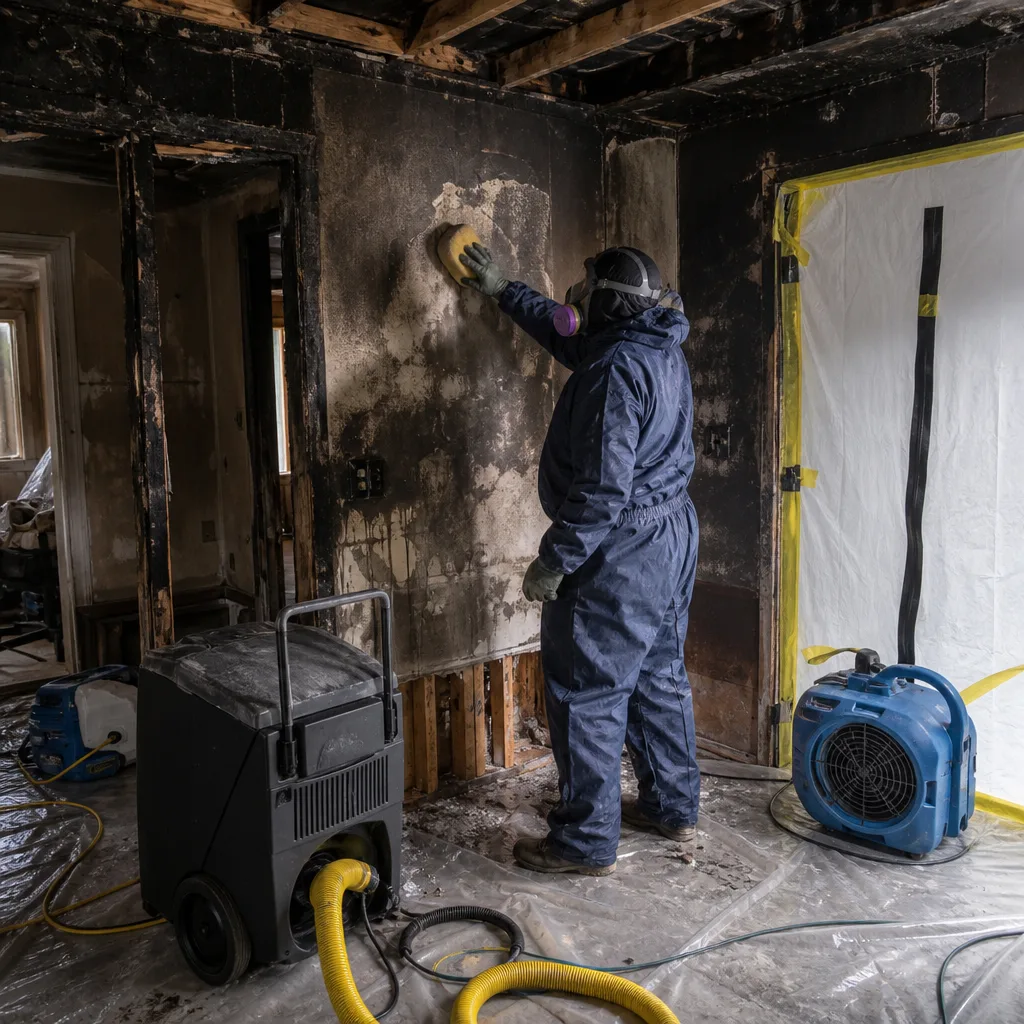
Air Quality Restoration
Post-remediation air quality testing verifies that spore counts have returned to background levels before containment is removed. In Newport Beach, background levels are naturally influenced by coastal air patterns, so we establish outdoor baseline samples specific to your neighborhood and season. HVAC systems are inspected for salt-air corrosion on coils and housings, a common secondary issue that recirculates spores if missed. Air quality restoration typically runs $800-$2,400 depending on system complexity and square footage.
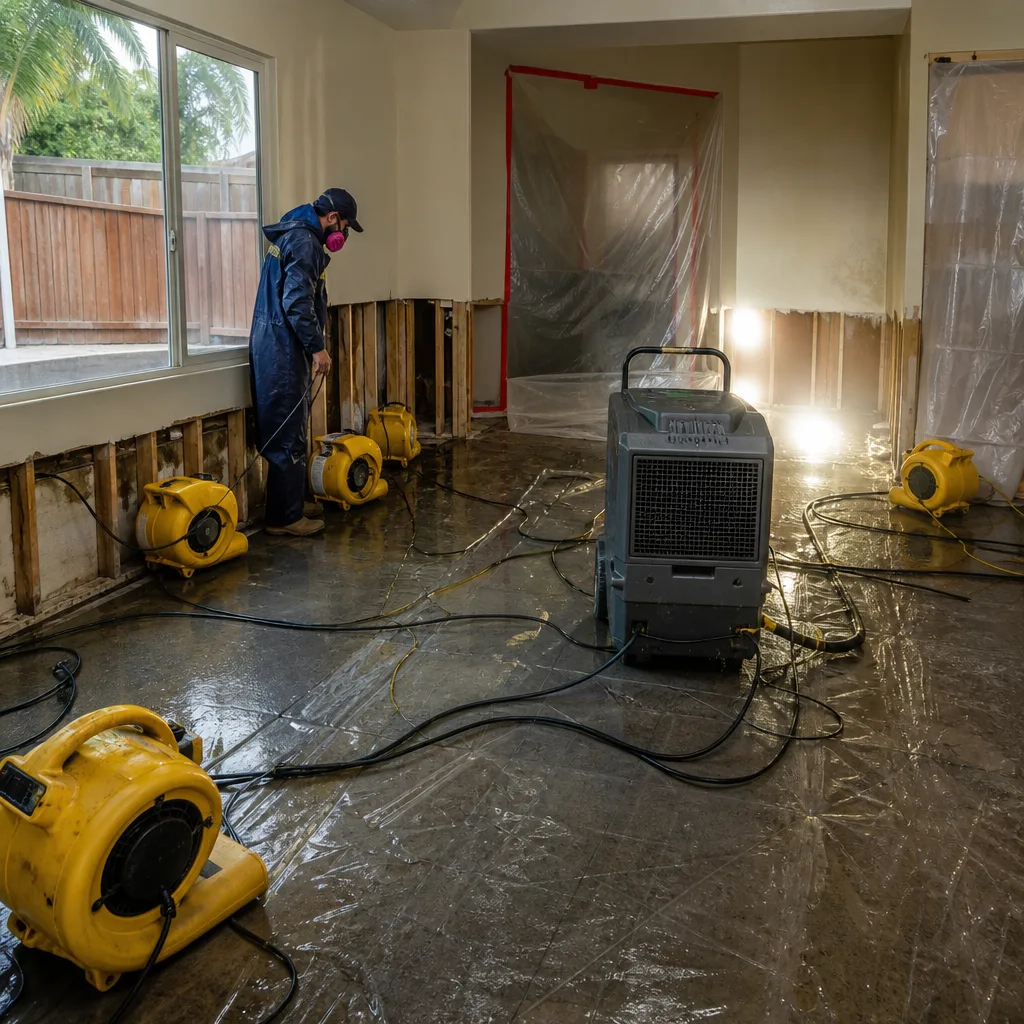
Crawl Space Treatment
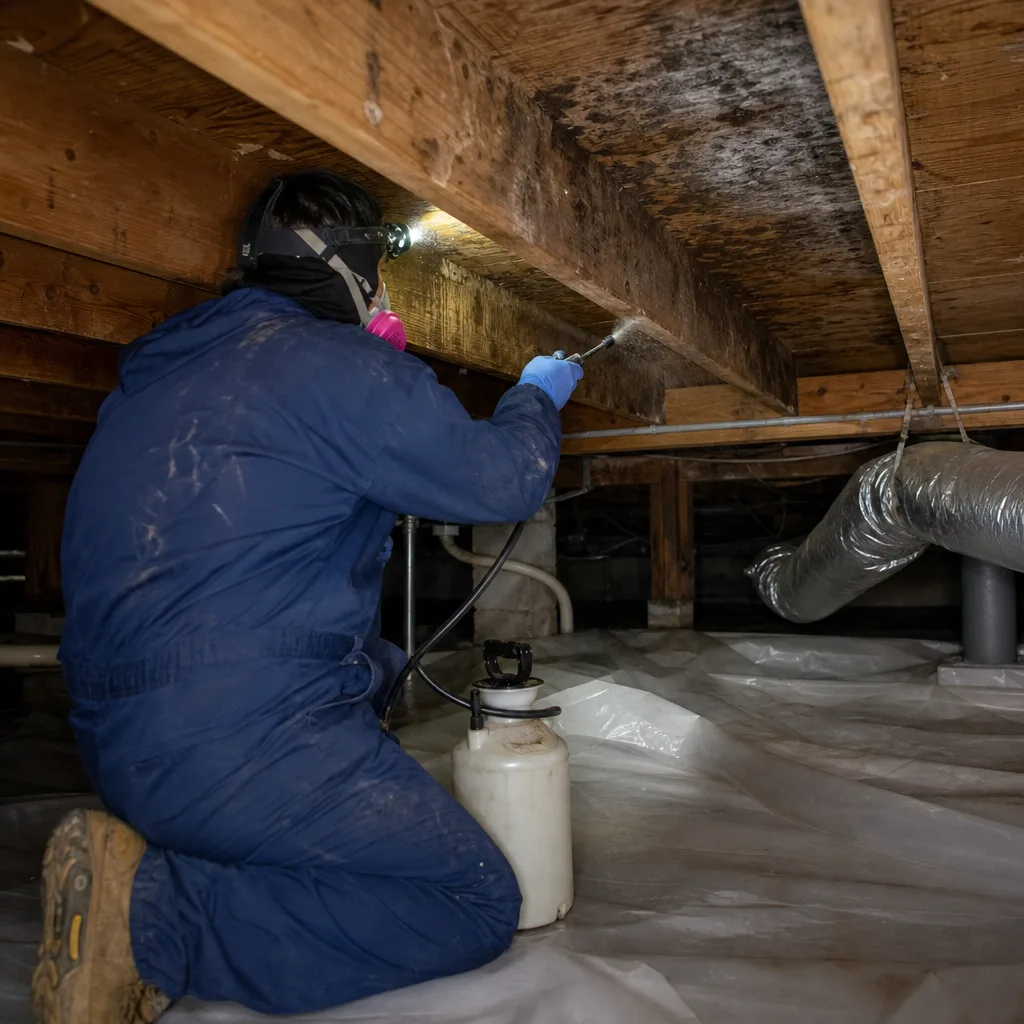
Crawl spaces in Balboa Peninsula bungalows are especially vulnerable. Shallow foundations, minimal grade clearance, and the marine layer create persistent damp conditions. We install vapor barriers, dehumidification, and targeted ventilation, with moisture readings logged to IICRC standards. Salt-air corrosion of fasteners and support hardware is assessed and documented; replacement is scoped separately so there are no surprises.
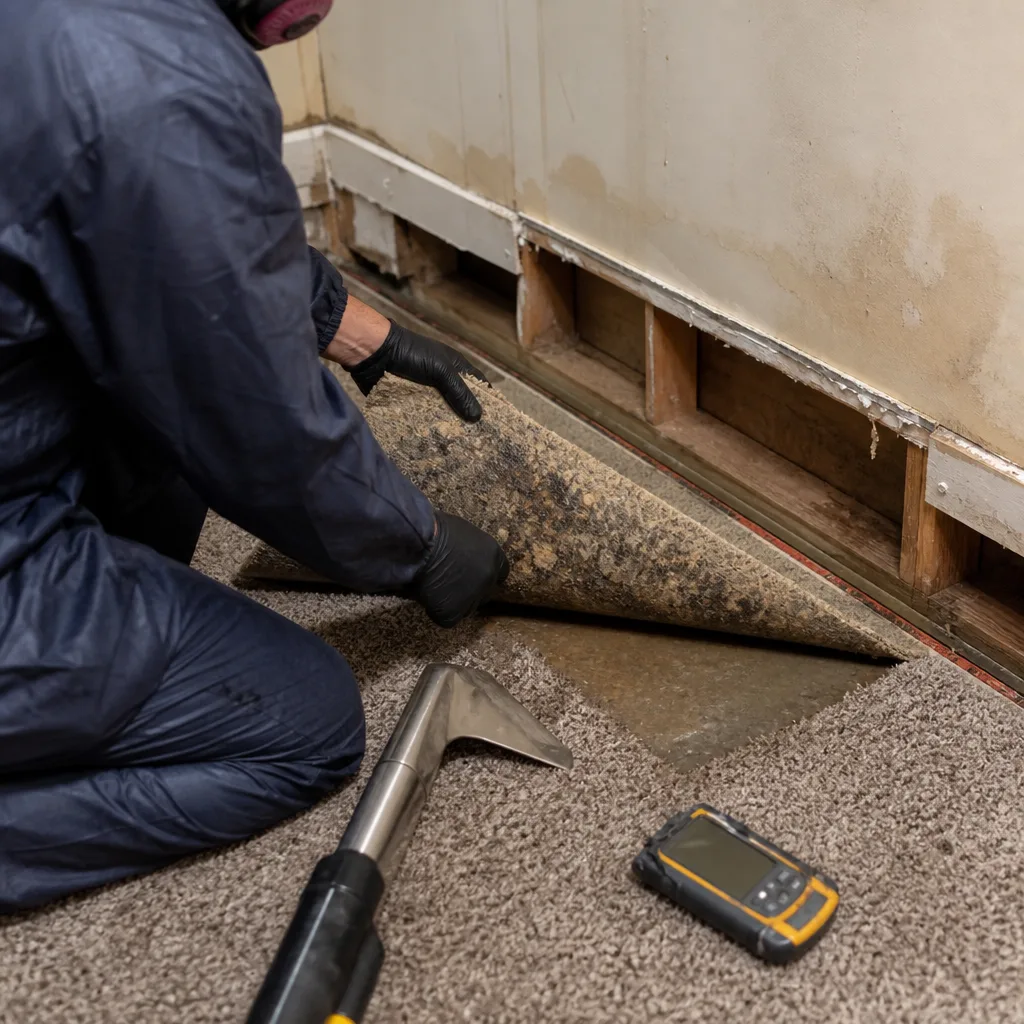
Moisture & Humidity Control
Long-term humidity control in Newport Beach requires equipment sized for coastal loads, not inland specs. We specify and install commercial-grade dehumidifiers, document psychrometric data (temperature, relative humidity, vapor pressure differential), and set drying targets that account for the harbor’s persistent marine influence. Without this, mold returns.
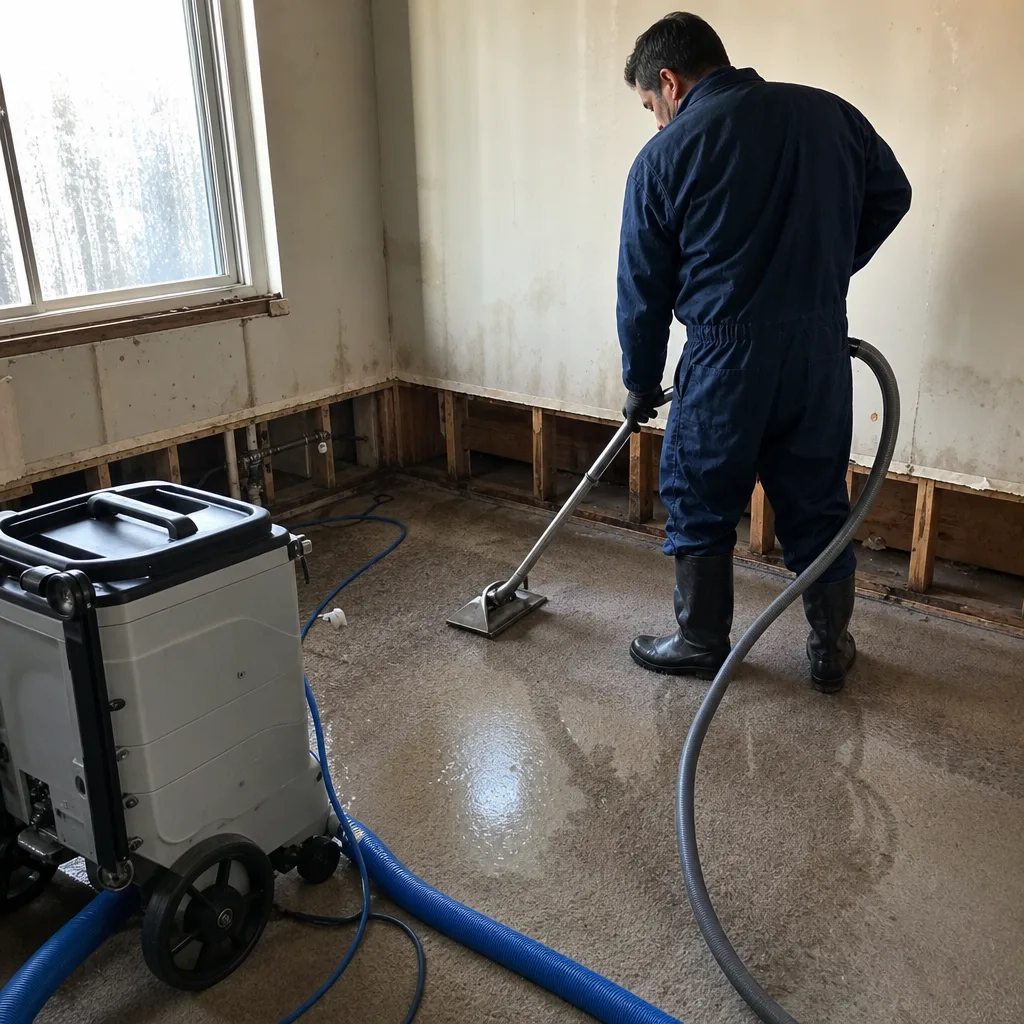
What happens when you call
- 1
A real person answersNo phone trees - you reach a local pro.
- 2
You get an upfront price rangeHonest numbers before anyone is dispatched.
- 3
A background-checked tech heads outLicensed & insured, dispatched right away.
- 4
You approve before work beginsNothing starts until you say go.
BeforeAfterTrusted Brands We Service in Newport Beach
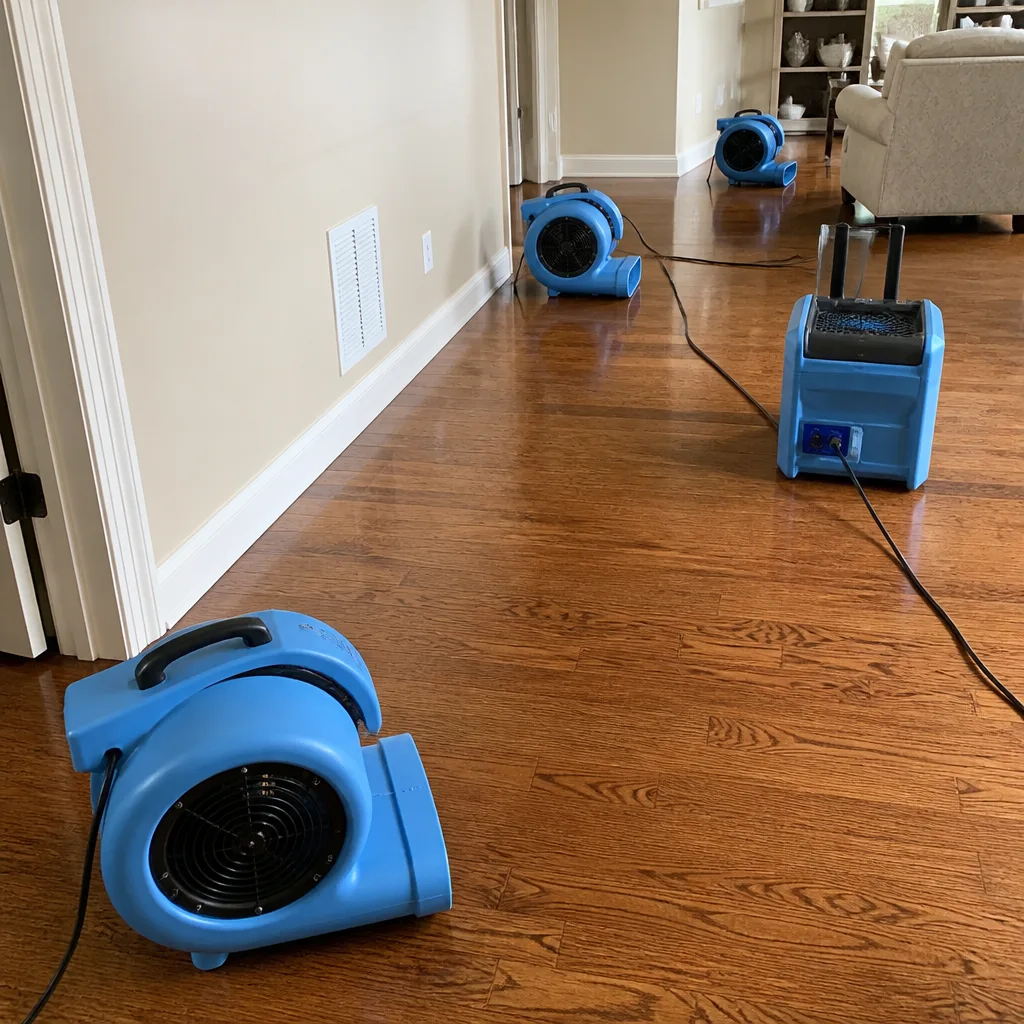
Our crews deploy professional-grade drying and remediation equipment from Phoenix, XPOWER, and B-Air, documented to IICRC, RIA, and IFA standards. These systems produce the daily moisture logs that turn restoration invoices into payable insurance claims. We stock antimicrobial treatments, HEPA filtration media, and replacement fasteners rated for salt-air exposure locally, so Newport Beach projects aren’t delayed waiting for parts. Injectidry systems are used for specialty drying behind finished surfaces where demolition would destroy custom millwork.
Common Mold Remediation Problems We See in Newport Beach Homes
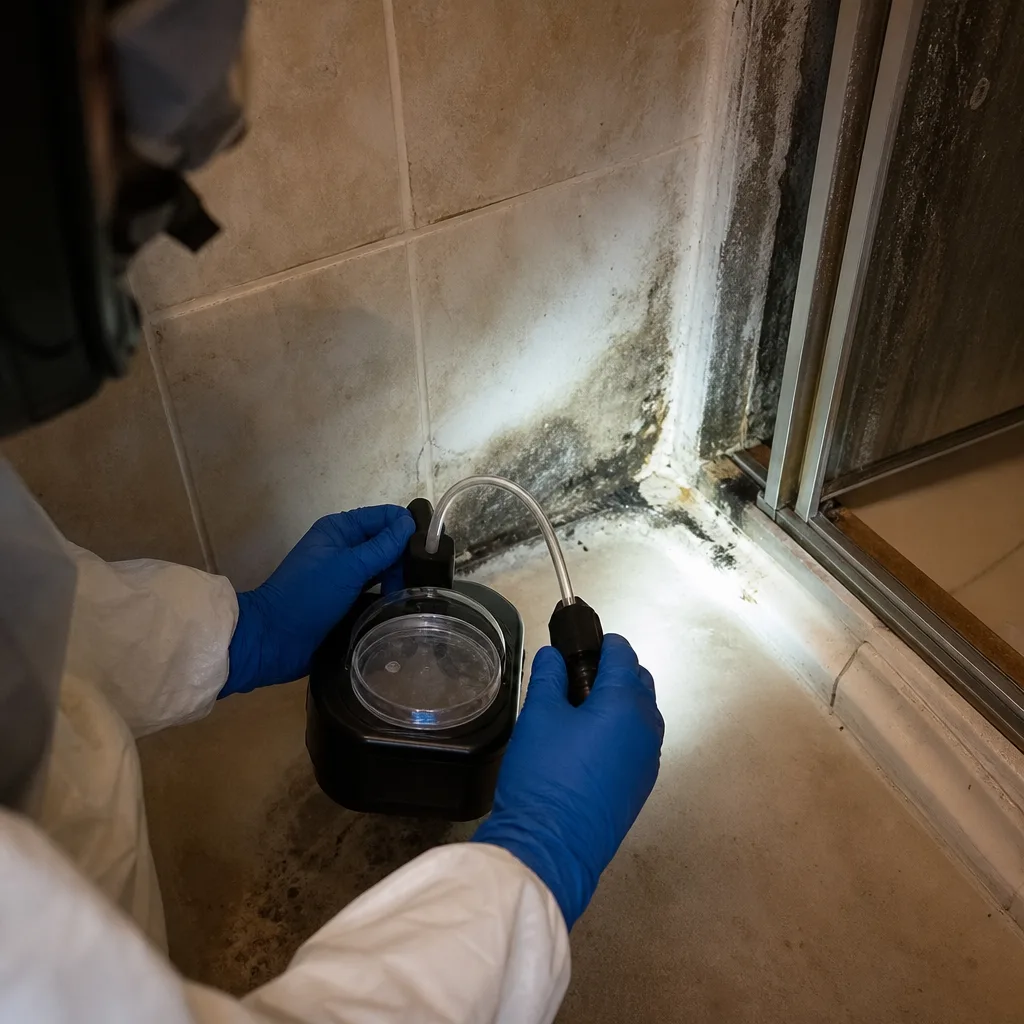
- Treating king-tide saltwater as Category 1 freshwater. Bay water pushed through storm drains onto Balboa Island carries salts that crystallize in concrete and wall cavities. The surface reads dry. Mold colonizes the base of the wall within days. The category of water, not just visible wetness, must drive the scope.
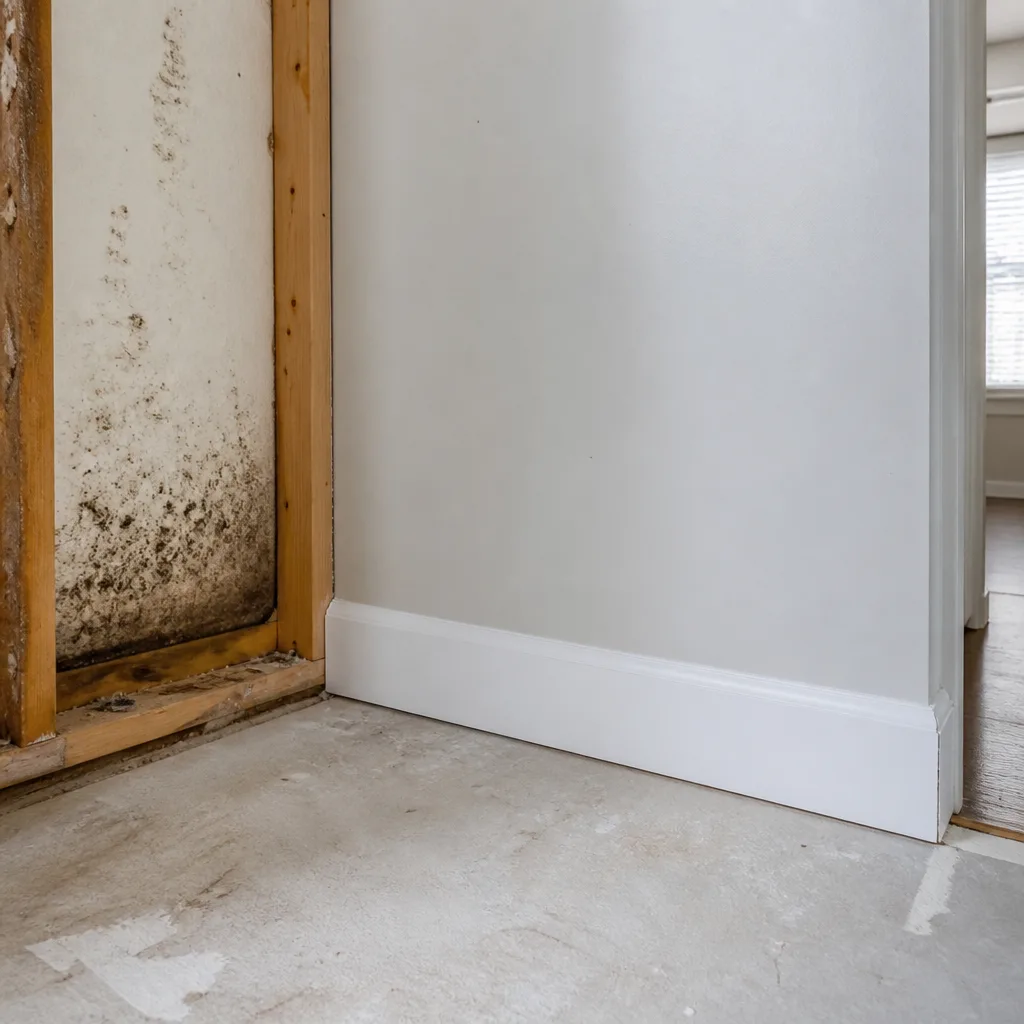
- Air movers alone in 1920s bungalows with shallow foundations. The marine layer keeps interior relative humidity high year-round. Without salt-crystal neutralization and replacement of salted materials, drying logs look fine while mold grows behind baseboard.
- Missing salt-air corrosion in the scope. Corroded fasteners, bottom plates, and HVAC coils degraded by salt particles get scoped as standard drying. The hardware keeps degrading and re-introducing moisture long after mitigation closes out.
- Setting inland drying targets for coastal conditions. A 30% relative humidity target that works in Tustin or Fountain Valley won’t hold in a harbor-front home where ambient humidity rarely drops below 60%. We set and document targets that account for Newport Beach’s actual environment.
Pricing for Mold Remediation in Newport Beach, CA
| Service | Typical Range in Newport Beach |
|---|---|
| Mold inspection & testing | $450 - $1,200 |
| Localized mold removal (single room) | $2,800 - $4,500 |
| Whole-home remediation + air quality restoration | $5,500 - $7,500 |
| Crawl space treatment with vapor barrier | $3,200 - $6,000 |
| Moisture control system installation | $1,800 - $4,200 |
What moves the number: square footage affected, material type (custom finishes in Newport Coast drive replacement costs), whether salt-crystal neutralization is required, and if containment must protect occupied spaces during work. Every job is quoted in writing before work begins, with no scope-creep additions once the crew is inside. Haven Standard, Clause 1. Bring a competitor’s written estimate and we’ll review it at no charge.
We Also Serve Cities Near Newport Beach
Our crews respond throughout coastal and central Orange County, including Mold Remediation in Newport Beach and neighboring Costa Mesa, Fountain Valley, Tustin, and Santa Ana. Dispatch and scheduling are coordinated from our Los Angeles office; crews serve Newport Beach locally with equipment and parts stocked for coastal conditions.
Serving Newport Beach, CA - Our Local Coverage Area
We’re based in the Newport Beach area and know this community well. Use the map below to see our service coverage - if you’re nearby, we can almost certainly help.
FAQs - Mold Remediation in Newport Beach
Because king-tide bay water deposits hygroscopic salt crystals in concrete slabs and wall cavities that keep wicking ambient moisture long after visible water is gone. Standard drying protocols remove liquid water but don’t neutralize salt crystals, so relative humidity at the base of walls stays elevated enough to sustain mold growth. We scope salt-crystal neutralization and material replacement when bay water is involved, not just air movers and dehumidification. Call (657) 300-9903 for a written assessment.
Mold can begin colonizing within 24 to 48 hours of a water loss in Newport Beach, faster than inland Orange County because the persistent marine layer maintains elevated ambient humidity that accelerates spore germination. After king-tide flooding, salt crystals in the slab can extend this risk window indefinitely by maintaining moisture at the wall base. We recommend inspection within 24 hours of any bay-water intrusion. Call (657) 300-9903 for same-day scheduling.
Category 1 is clean water from a supply line; Category 3 is grossly contaminated water, including bay water that has contacted soil, waste, or salt. For mold remediation, the category determines whether materials can be dried and salvaged or must be removed. Bay water from king-tide flooding on Balboa Island or the Peninsula is Category 3 due to salt and potential contaminants, which means porous materials like drywall and insulation are removed, not dried, and antimicrobial treatment is mandatory. Call (657) 300-9903 for a written scope that specifies the correct category and protocol.
Yes. Shallow foundations, minimal grade clearance, and corroded fasteners from salt-air exposure mean crawl spaces here need vapor barrier installation, dedicated dehumidification, and hardware assessment as standard, not optional add-ons. We log moisture readings to IICRC standards and document salt-air corrosion of structural supports for your adjuster. Replacement hardware is scoped in writing before work starts. Call (657) 300-9903 for a crawl space assessment.
Yes. Salt particles corrode metal fasteners, HVAC coils, and electrical components, creating ongoing moisture sources that inland protocols don’t address. Salt crystals from bay-water intrusion sustain mold-friendly humidity in wall cavities that would read dry in a freshwater loss. And the marine layer keeps baseline humidity high enough that drying equipment must be sized and targeted more aggressively. Our crews factor all three mechanisms into every Newport Beach scope. Call (657) 300-9903 for a written estimate that accounts for coastal conditions.
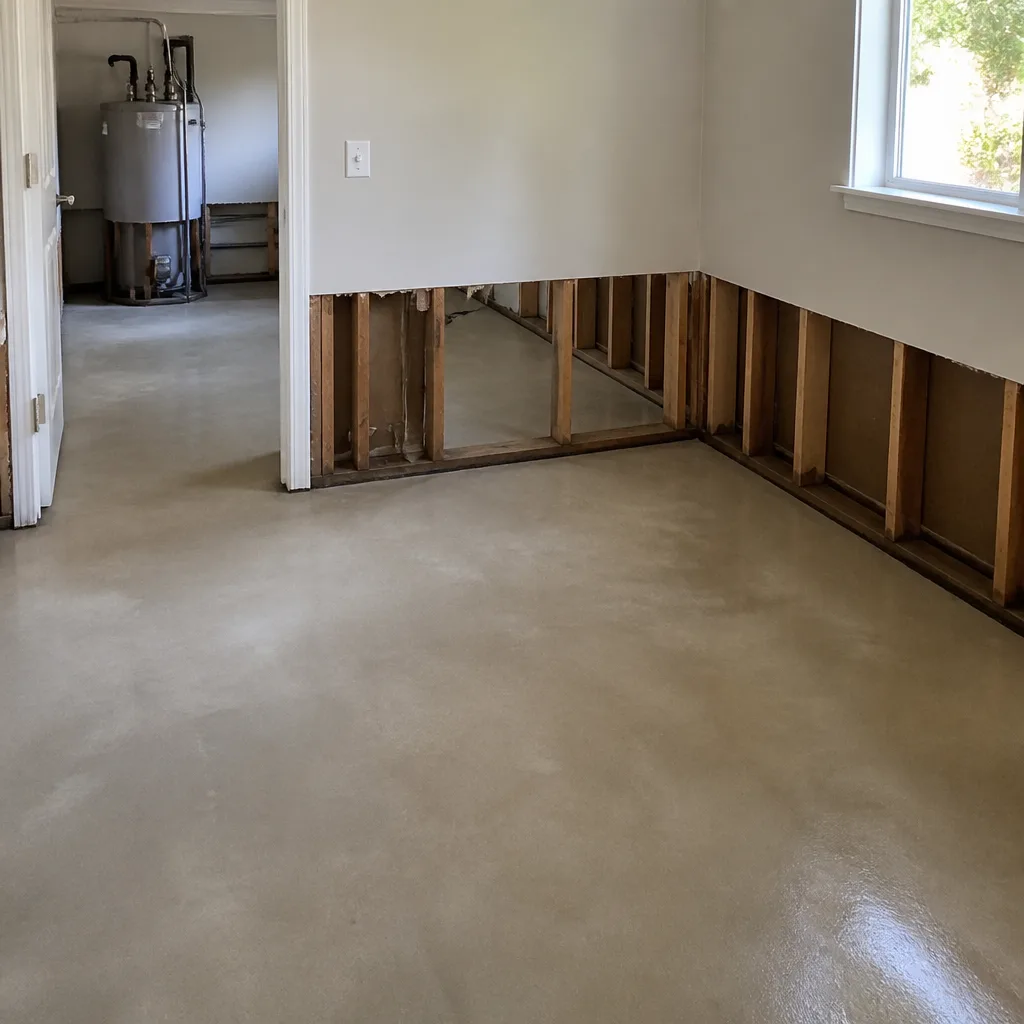
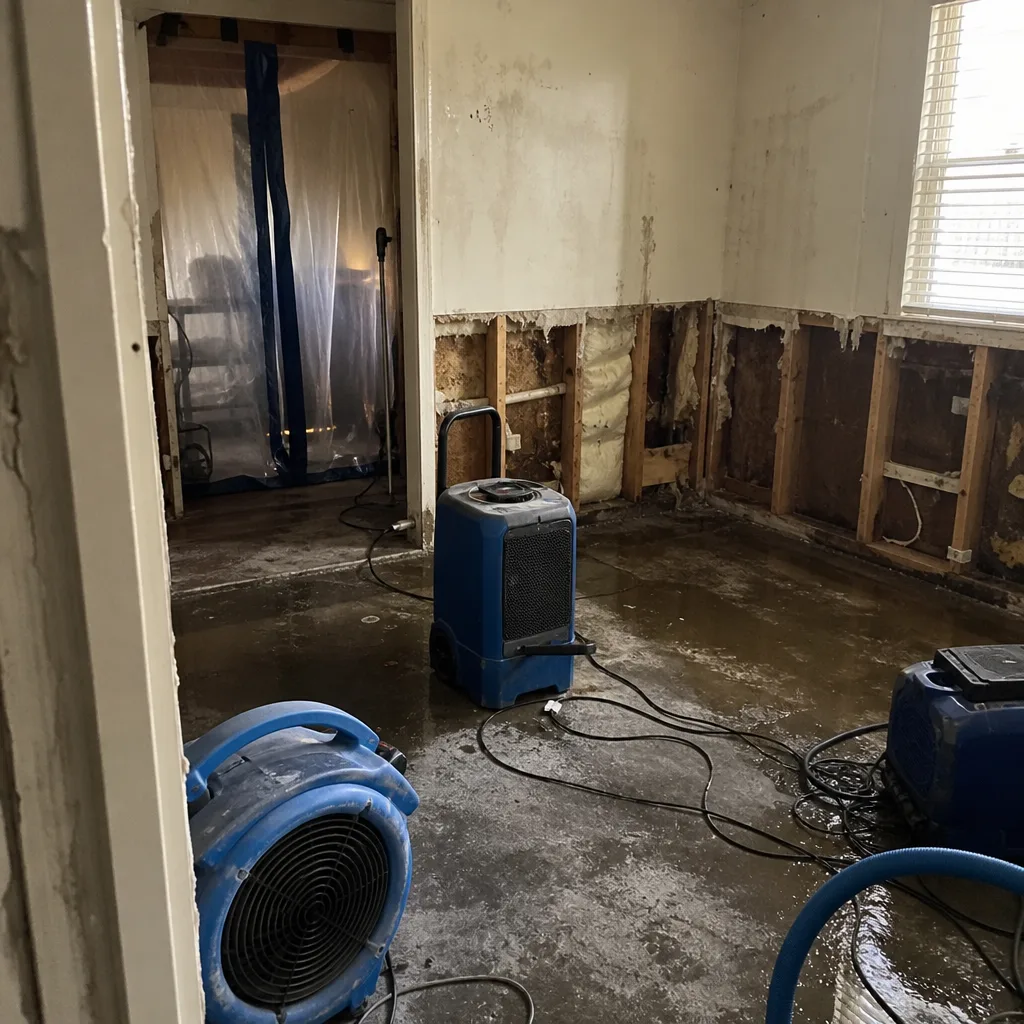
We were called to a 1930s bungalow on North Bay Front after a July king tide pushed bay water across the slab and into the garage, leaving salt-crystal residue that kept the concrete and bottom plate reading elevated on our moisture meter days later. Because the slab had absorbed salt water, drying alone was never going to hit target - we pulled saturated baseboard and lower drywall, ran antimicrobial treatment on the framing, set containment and air movers plus a Phoenix dehumidifier to pull the interior below coastal ambient, and replaced the corroded bottom plate and fasteners that the salt air had eaten through. The moisture readings held flat three days later, and the reopening would have kept climbing if we had treated it like a plain freshwater loss.
Written by Alicia Brennan, Owner at Back to Dry Restoration, serving Newport Beach since 2011.