
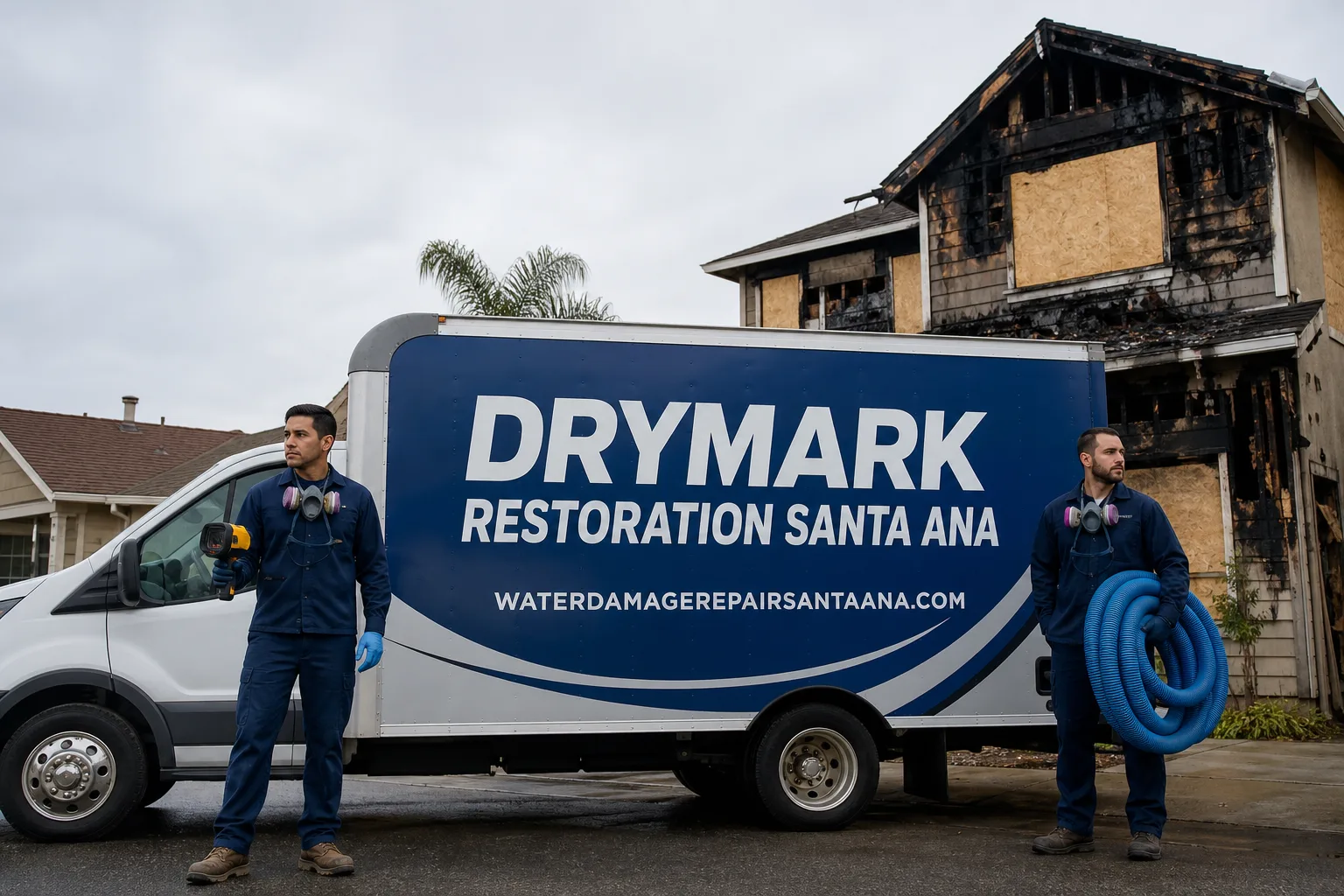
Free visual inspection and a written scope of work before any mitigation begins - photos, moisture readings, and drying logs go in your claim file
The scope we write is the scope we bill. Anything new gets shown to you, in writing, before we touch it.
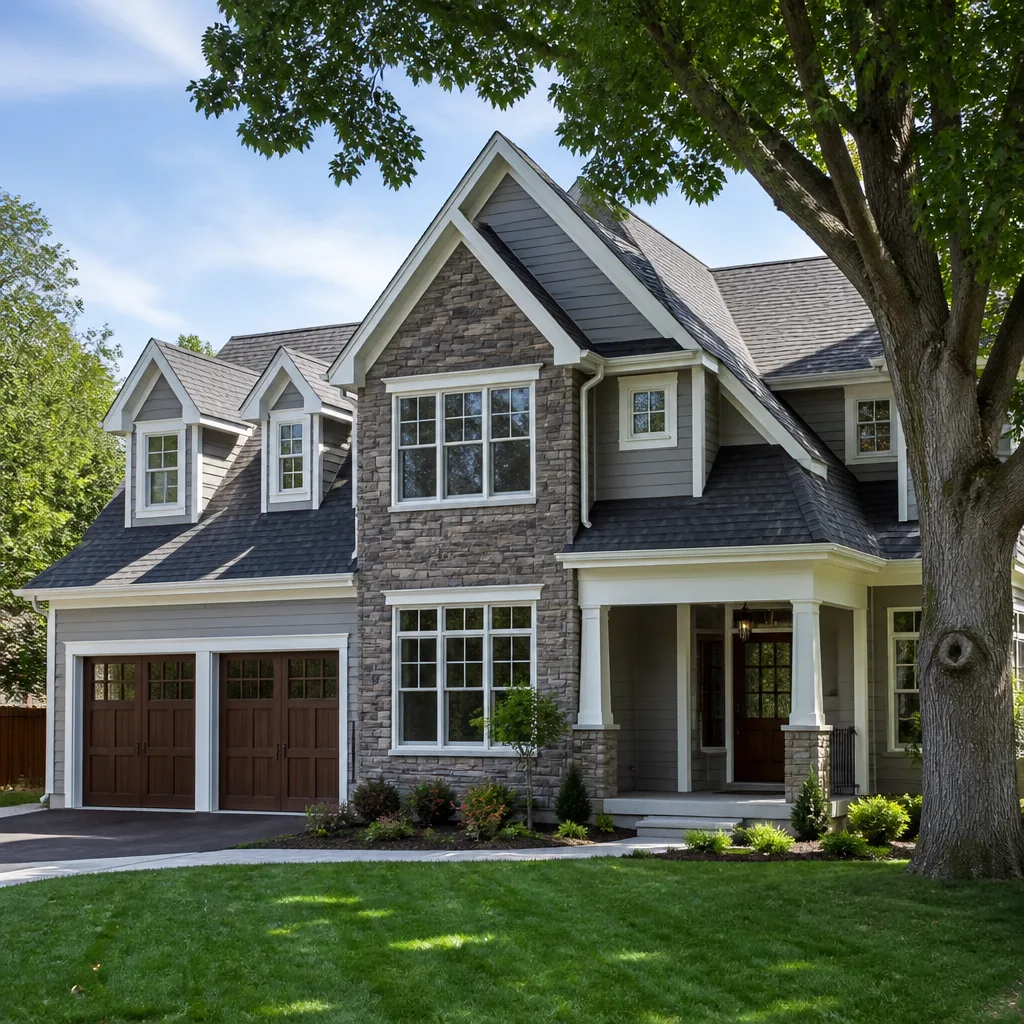
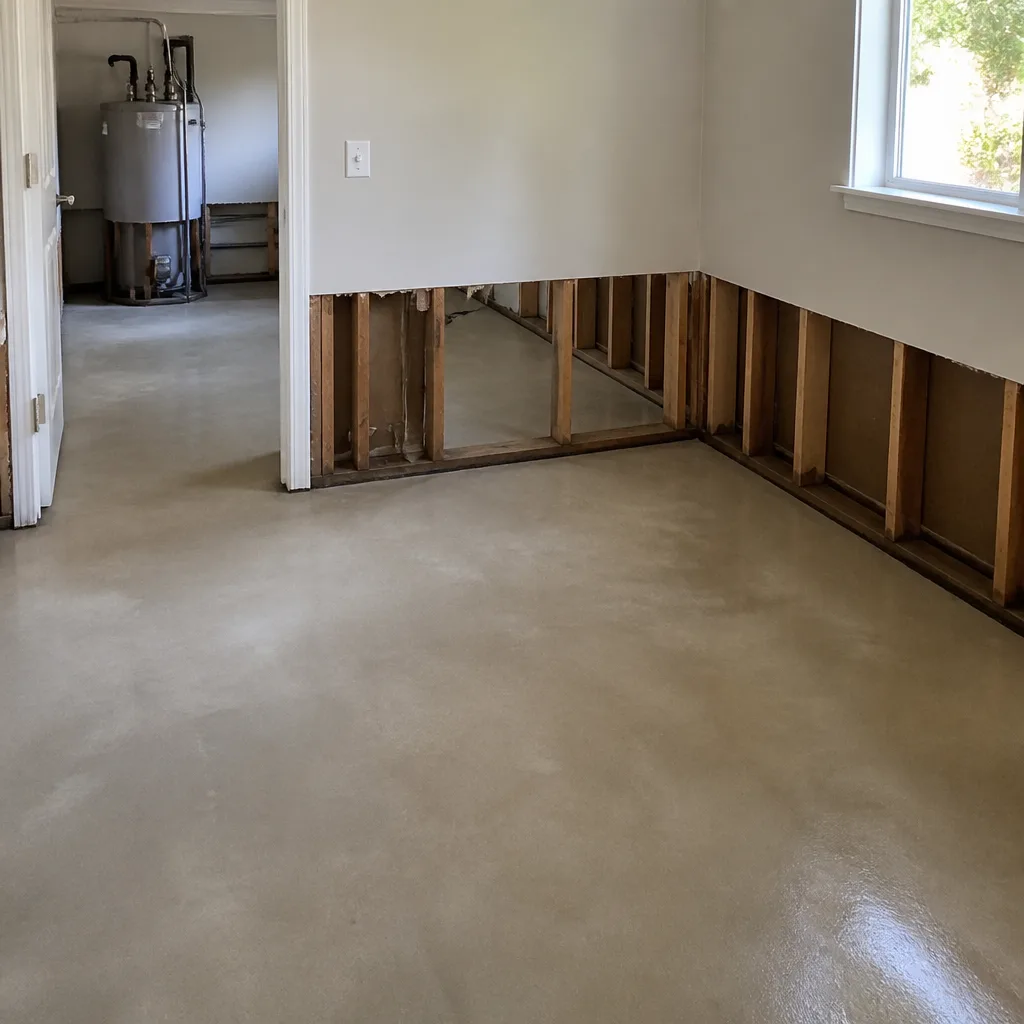
 Before
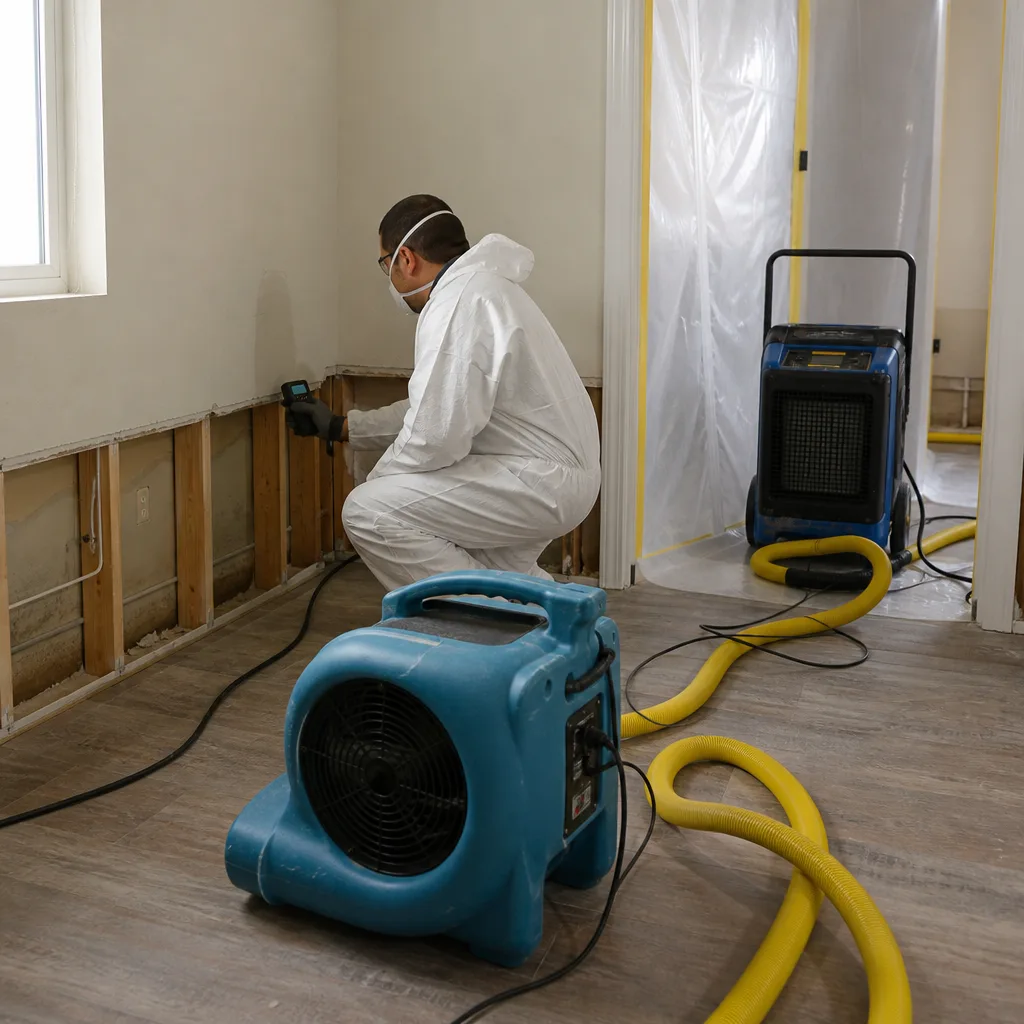 After
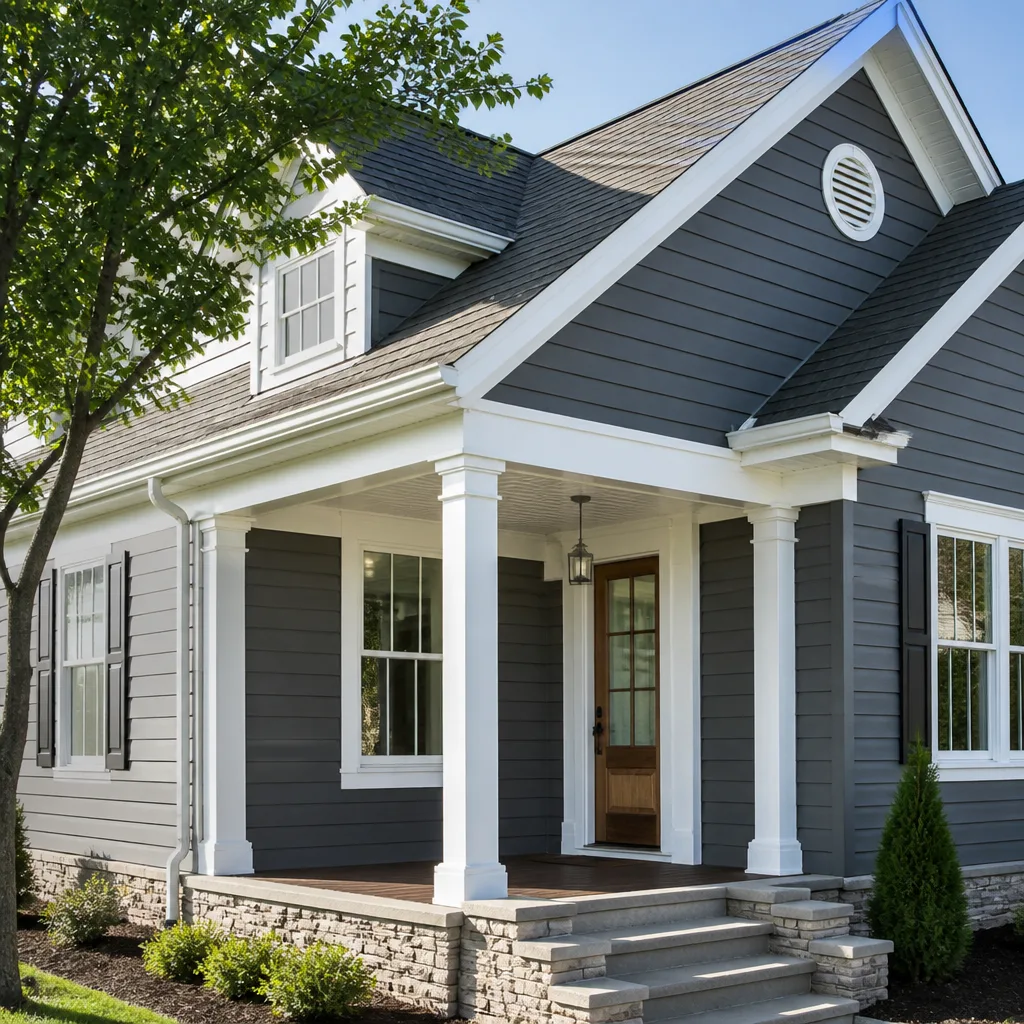
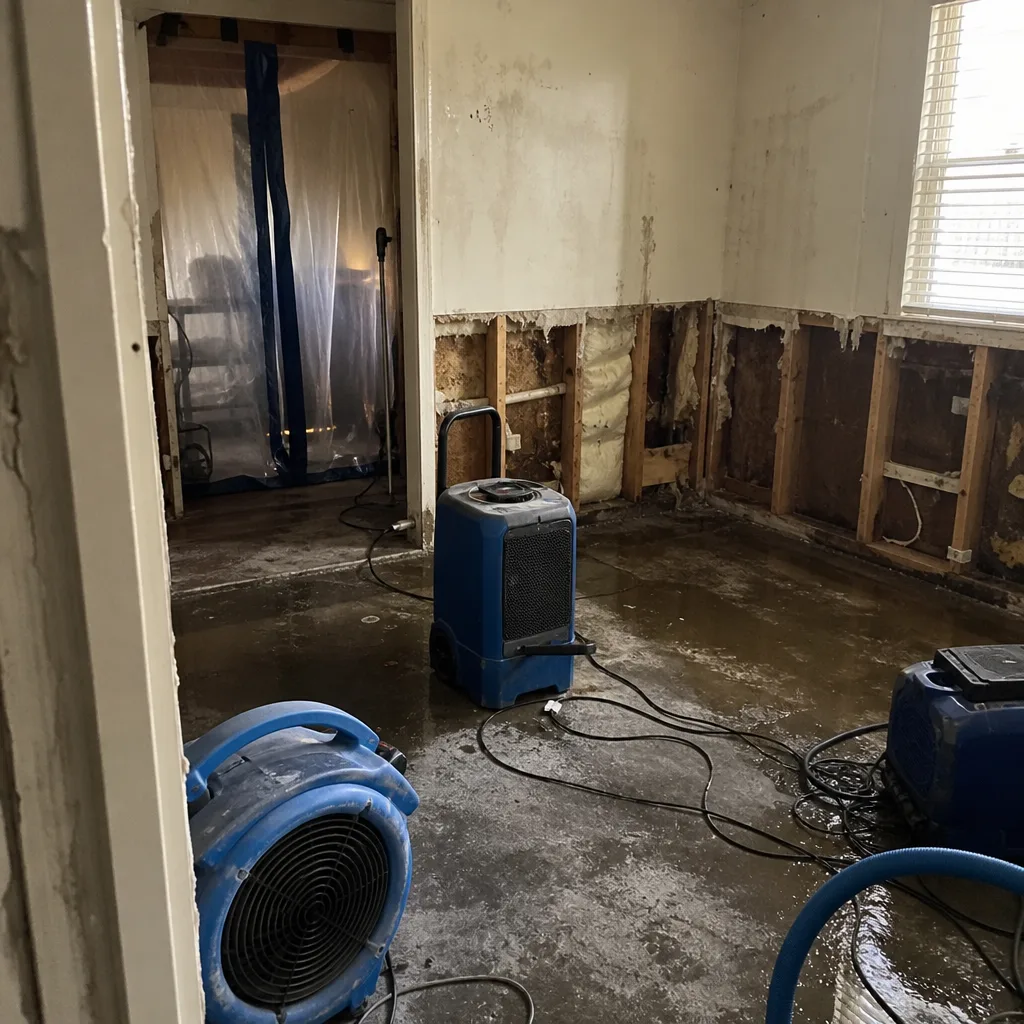
After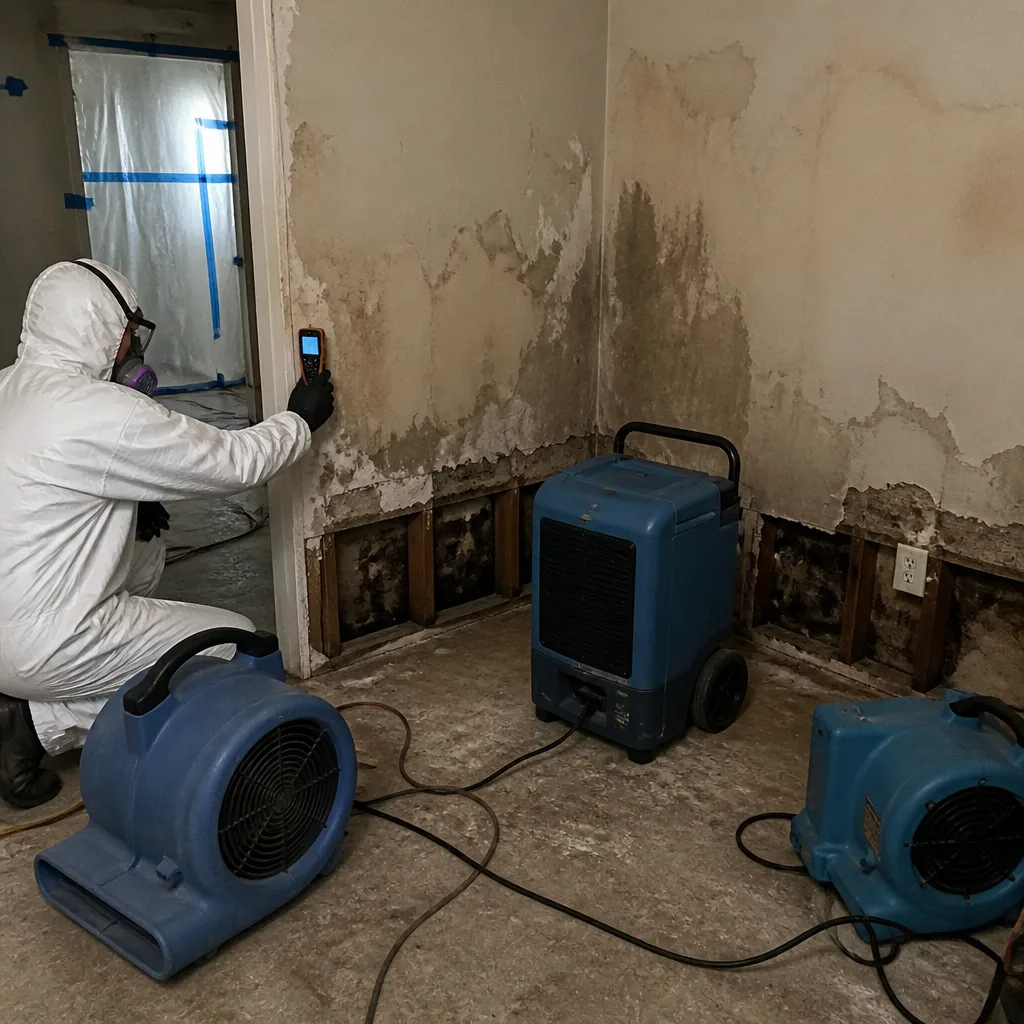 Before
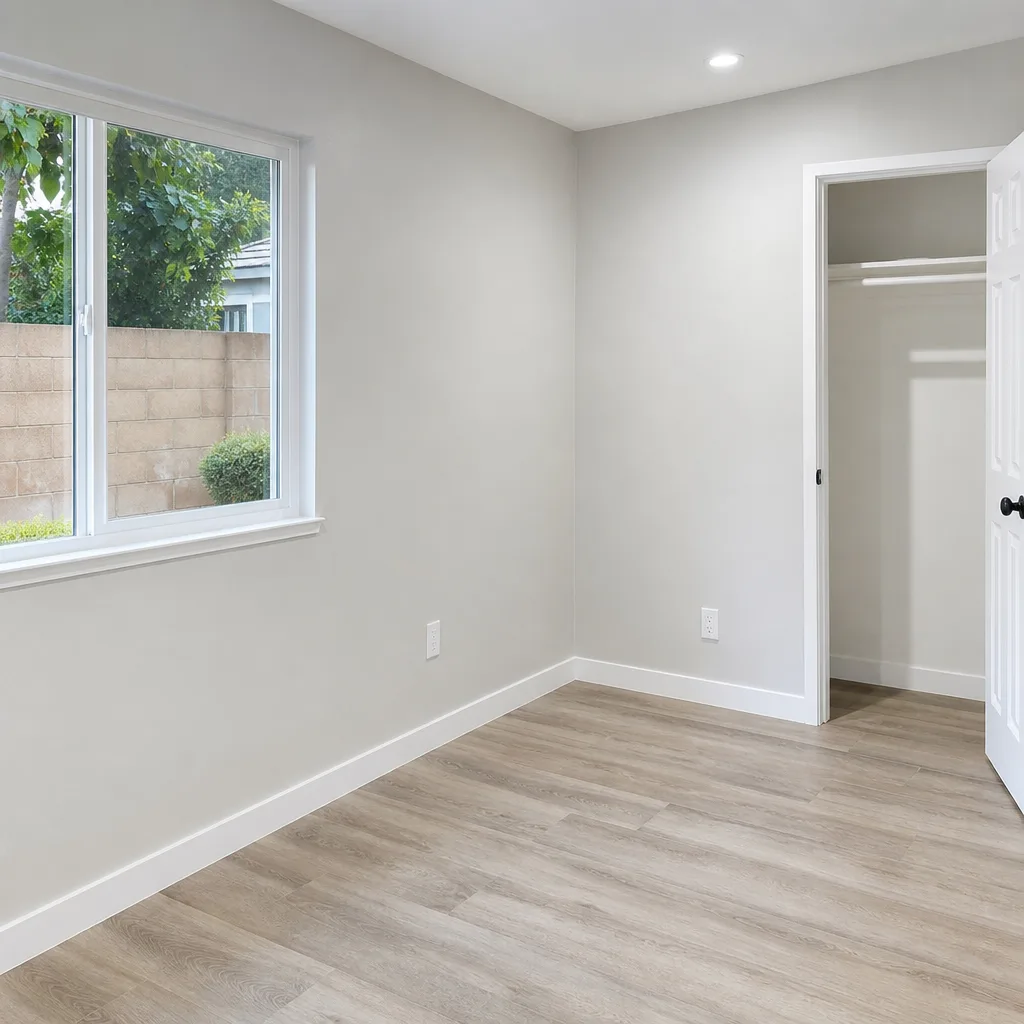 After
After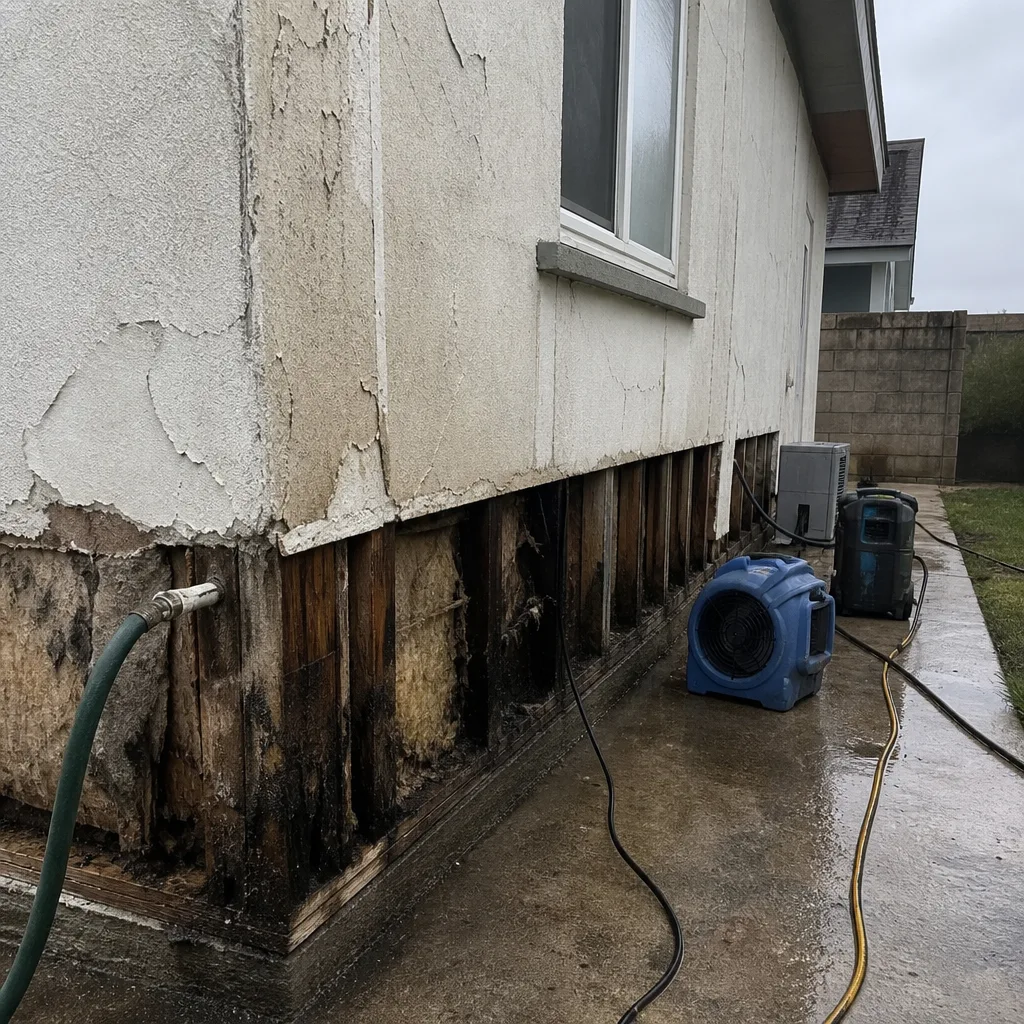 Before
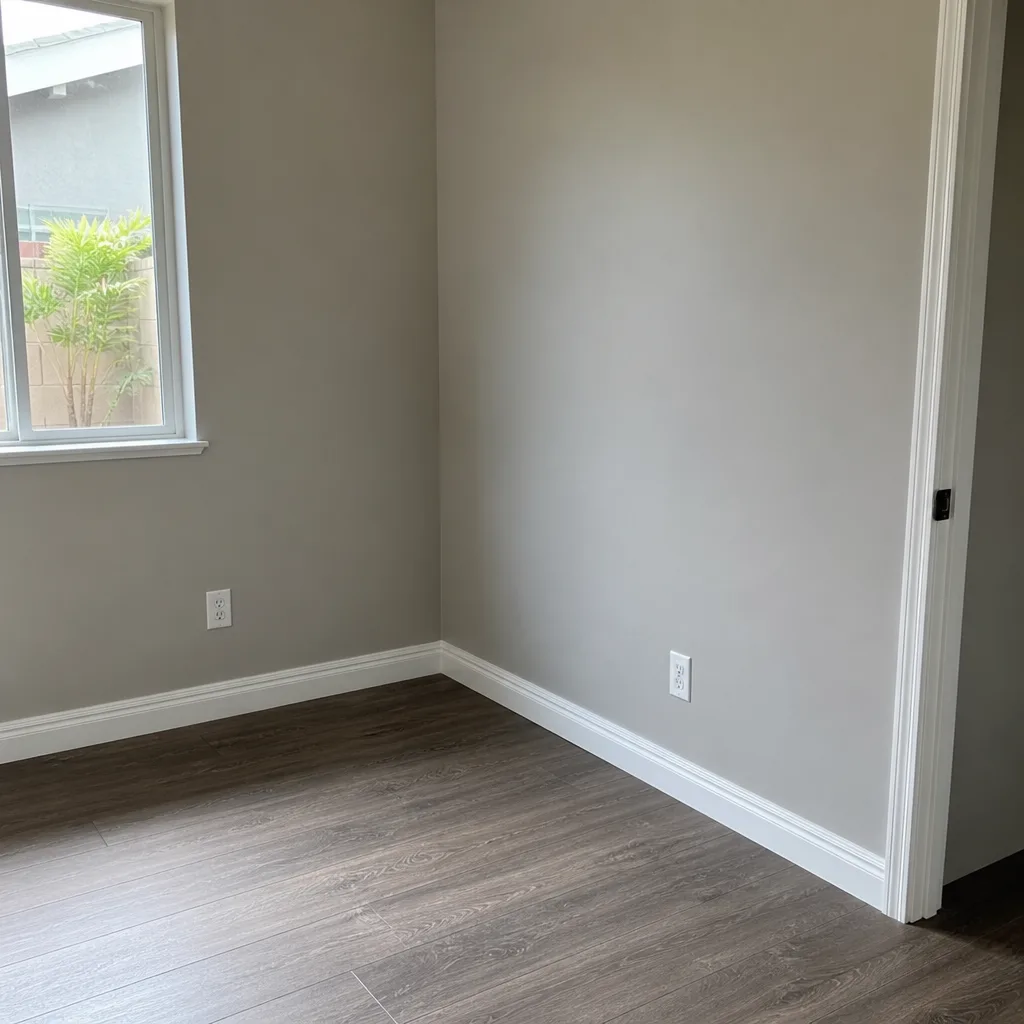 After
AfterFast, Reliable Water Damage Restoration Across Santa Ana
Water damage restoration in Santa Ana typically runs $2,800-$7,500 for a standard residential mitigation, with emergency water extraction starting at $950 and structural drying averaging $1,200-$3,400 depending on affected square footage and material classification. Most Santa Ana homeowners see our crew on-site within 60-90 minutes of calling (657) 300-9903. We dispatch from our Los Angeles metro office and coordinate crews who know Santa Ana’s specific building stock - the 1920s Craftsman bungalows in Floral Park, the post-WWII stucco tracts, the aging courtyard apartments off North Main Street - so we’re not learning your wall assembly while water is still moving.
Our Water Damage Restoration team treats Santa Ana’s older housing as the specialized environment it is. Galvanized supply lines, plaster-and-lath partitions, and shared walls between units aren’t surprises to us. They’re the conditions we document in every written scope before work begins, under Haven Standard, Clause 1.
Why DryMark Restoration Santa Ana Is Santa Ana’s Preferred Water Damage Restoration Company
We’ve restored homes in Santa Ana since 2011 - over 12,000 homes across our service area, every one with a written price before work started and a photo record when the crew left. Alicia Brennan founded Back to Dry as a former claims adjuster who watched homeowners lose legitimate coverage because the restoration company couldn’t produce documentation. That gap is what we close.
Santa Ana customers find us because we answer the phone. Live person, 24 hours a day, 7 days a week - no voicemail trees, no next-business-day callbacks while water is wicking through shared walls. Our technicians are background-checked, uniformed, and licensed; their license numbers are on the job paperwork, not hidden.
We know the specific failure patterns here. A burst pipe in a 1950s courtyard apartment off West 17th Street doesn’t stay in one unit. Water moves through plaster-and-lath faster than drywall, and by the time someone calls, we’re often mapping moisture across two or three adjoining addresses. That’s not an exception in Santa Ana. It’s Tuesday.
Every job carries our 365-Day Done Right Promise under The Haven Standard - a signed guarantee, not a verbal assurance. And if another contractor has already written you an estimate, we’ll review it free under our Free Second Opinion policy.
Our Water Damage Restoration Services in Santa Ana
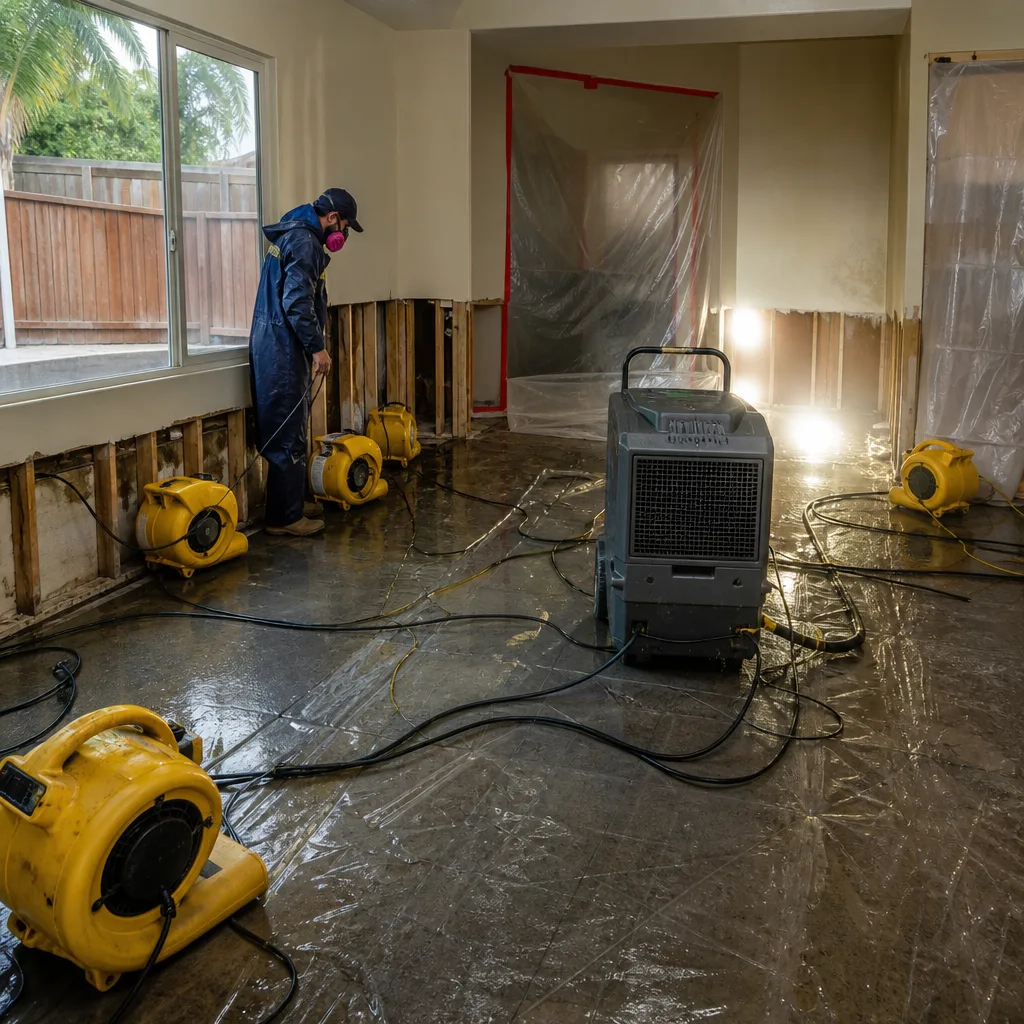
Emergency Water Extraction
When a supply line fails in Santa Ana’s dense central neighborhoods, speed matters less than containment. We extract standing water with truck-mounted systems and portable units sized to courtyard apartment access constraints, then immediately deploy moisture meters to map lateral spread through shared walls. In the 2023 El Niño season, we handled seventeen street-drain overflow calls in Santa Ana’s westside corridors where water entered through slab gaps in homes built before modern waterproofing. Extraction is documented with photo timestamps at arrival and completion - the first entries in your drying log.
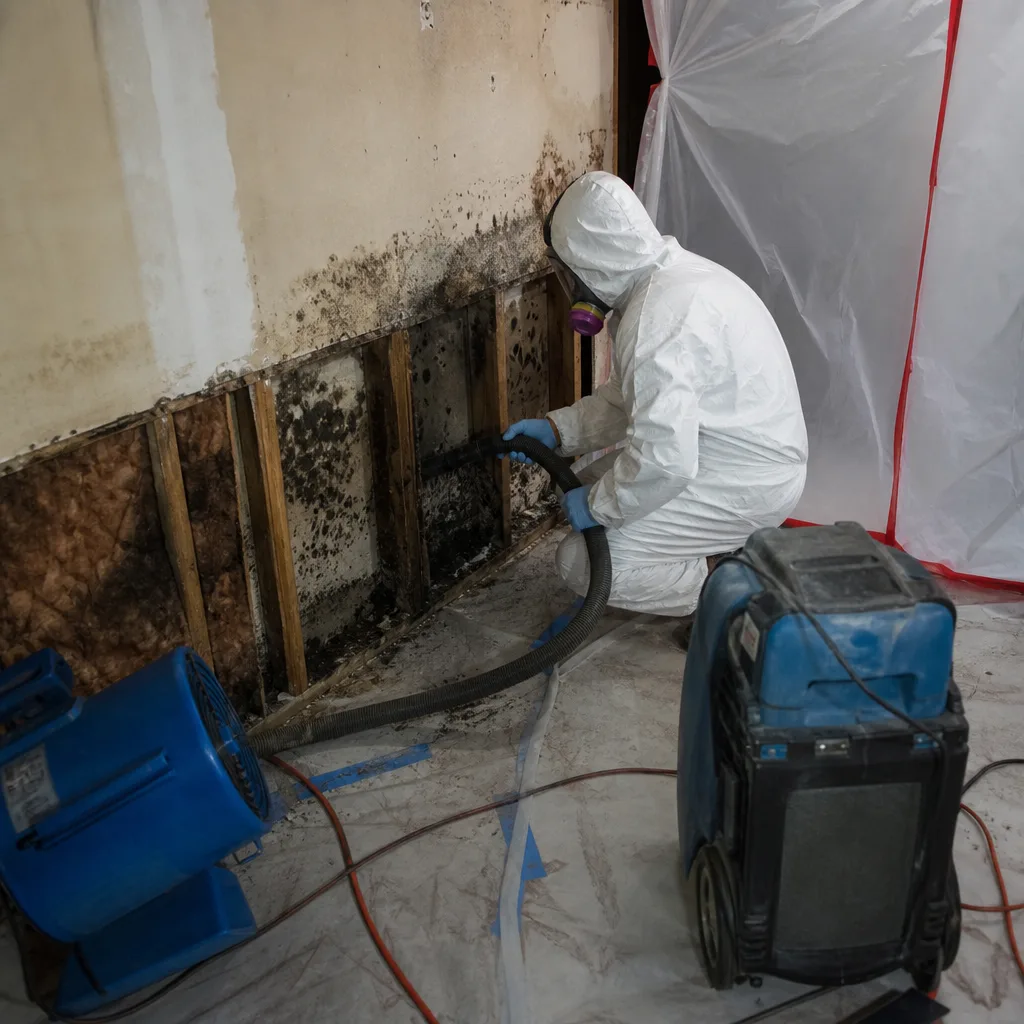
Structural Drying & Dehumidification
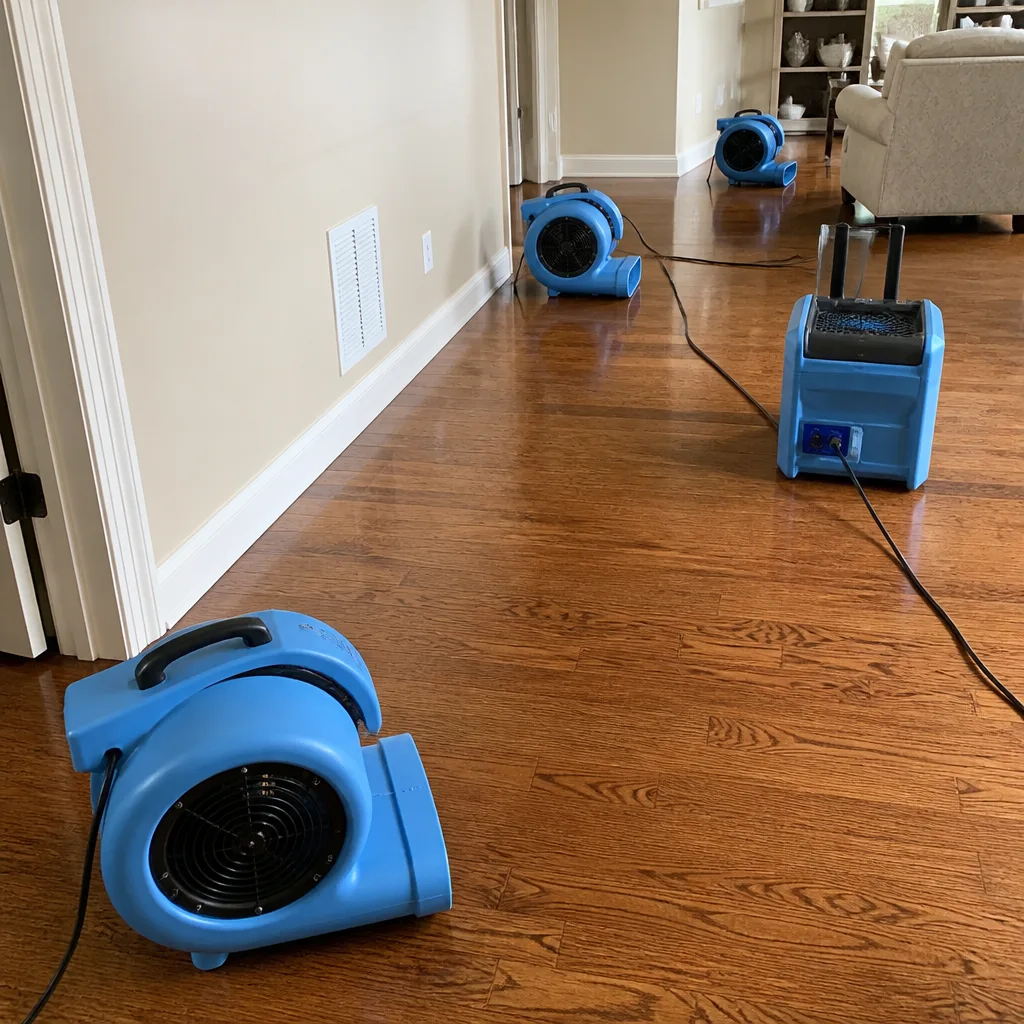
Santa Ana’s long dry seasons create a deceptive environment. A wall feels dry to touch while cavity moisture readings sit at 18-22% wood moisture content - well above the 12-16% threshold where mold colonizes. We deploy Dri-Eaz and Phoenix LGR dehumidifiers with XPOWER air movers to establish psychrometric control: managing temperature, relative humidity, and vapor pressure differential to pull bound water from structural materials, not just the air. Daily moisture logs track every room, every material classification, with readings taken at consistent locations so your adjuster can see progress without interpretation. Tertiary drying - the final phase where we target residual moisture in dense materials like plaster or old-growth framing - often runs 3-5 days longer in Santa Ana’s pre-1960s homes than in newer construction.
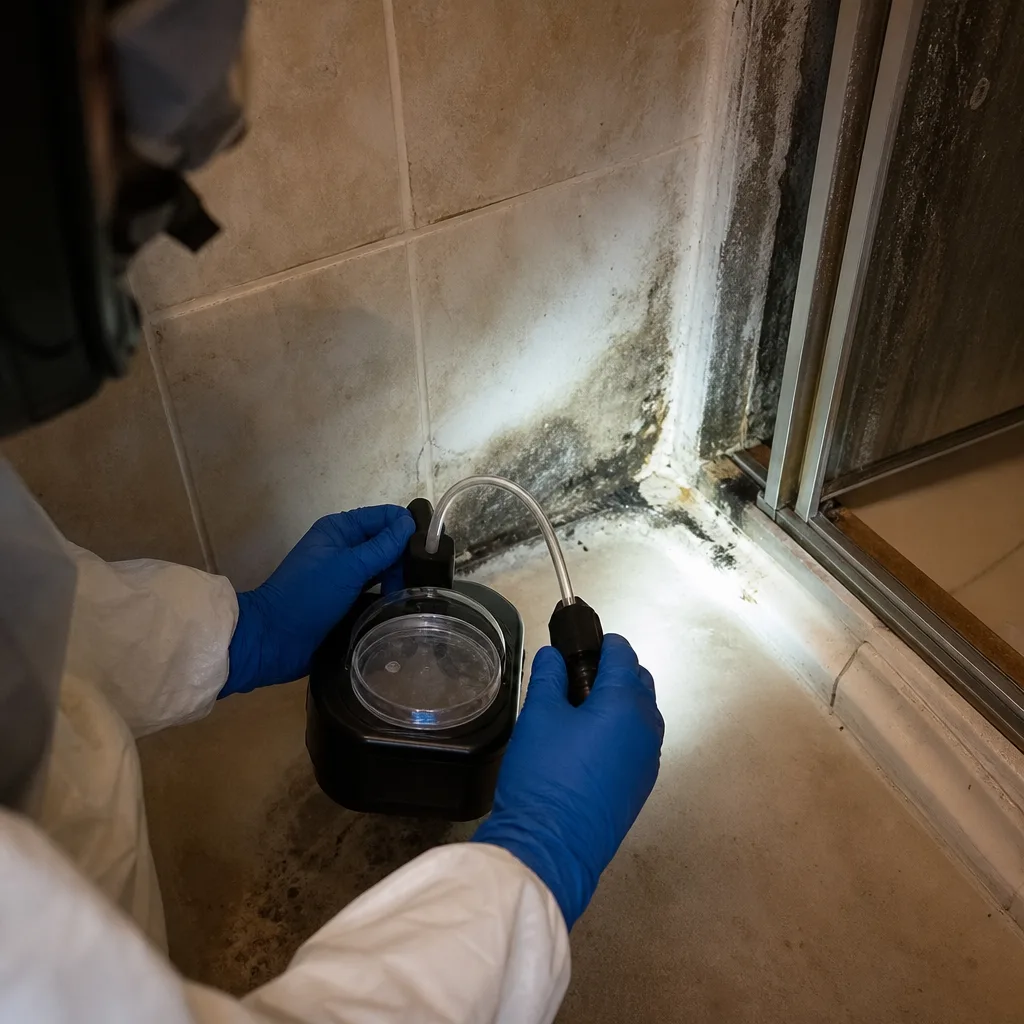
Flood Cleanup
Santa Ana’s low-basin position and aging stormwater infrastructure mean that intense winter rain events overwhelm street drains in densely built corridors. Flood cleanup here involves category classification (we cover this in our FAQ), extraction, then antimicrobial treatment of contaminated surfaces. Because floodwater in Santa Ana’s older neighborhoods often carries street debris and compromised sewer overflow, we treat these as Category 2 or 3 events by default until testing confirms otherwise. The documentation matters: your insurer pays differently by category, and we photograph every stage so there’s no dispute.
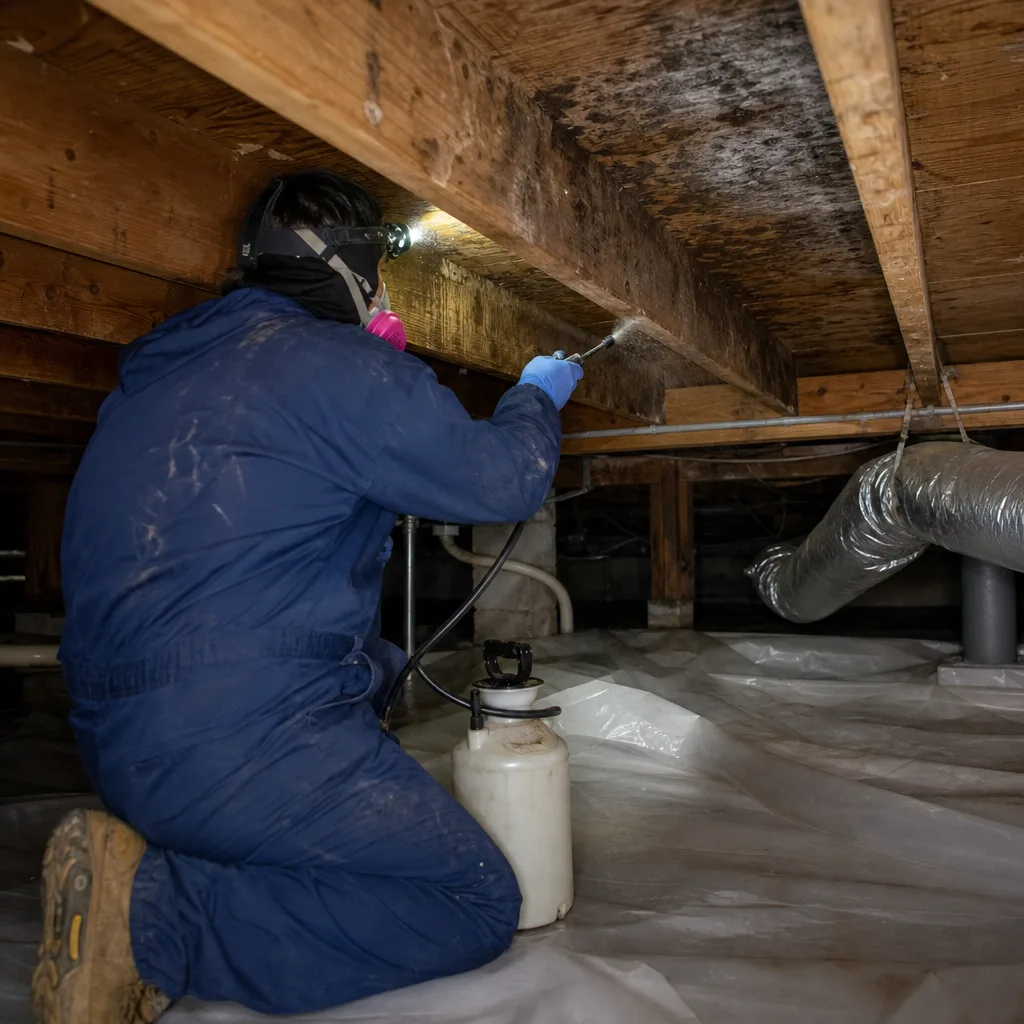
Burst Pipe Restoration
Galvanized steel supply lines in Santa Ana’s 1920s-1960s housing stock corrode from the interior, thinning until they fail catastrophically - often at 2 AM, often in a wall shared with neighbors. Our burst pipe restoration includes emergency shutoff, extraction, moisture mapping of lateral spread, and coordination with your plumber. We write the scope to include adjacent-unit inspection as standard, not an add-on. In courtyard complexes, we’ve learned to ask the property manager for access to neighboring units before we start - it saves 48 hours of discovery later.
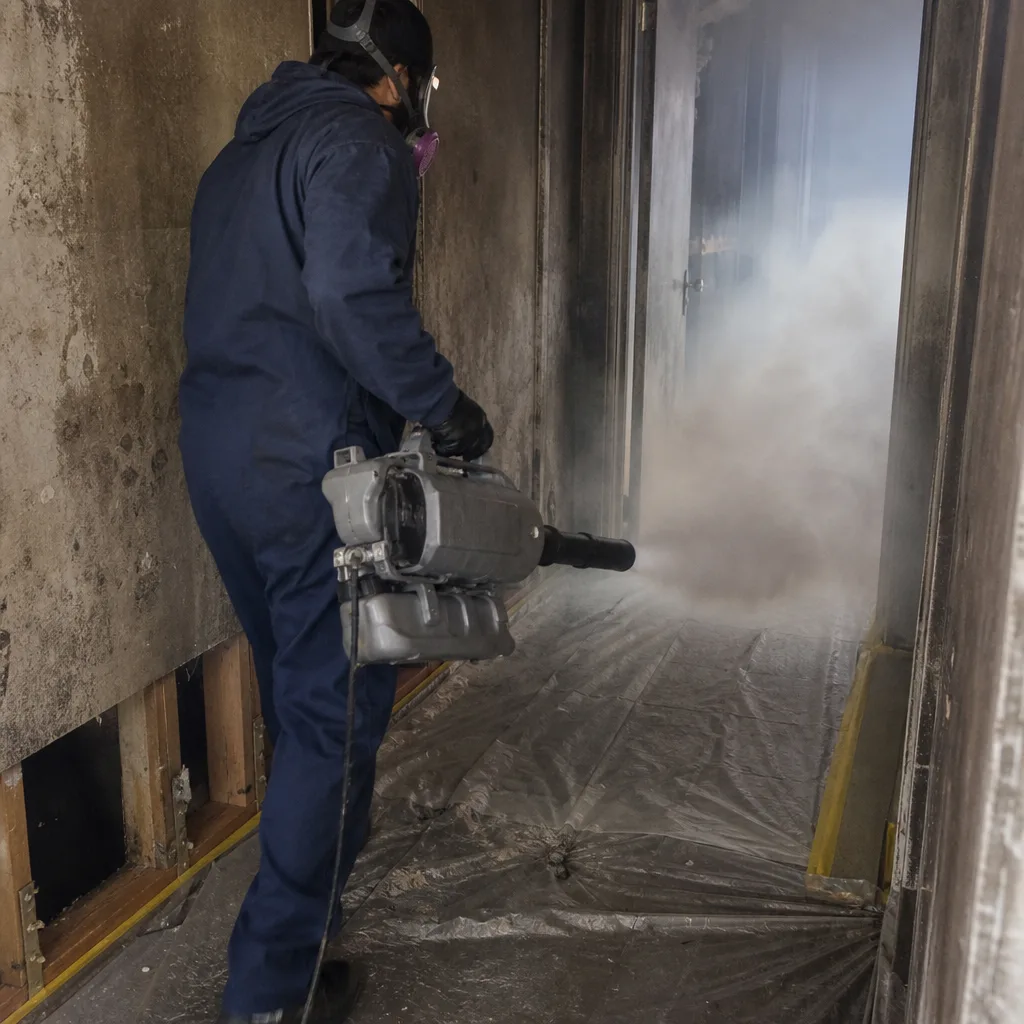
Basement Water Removal
Few Santa Ana homes have true basements, but the equivalent exists: sunken living rooms in 1960s tract homes, subfloor crawl spaces in Floral Park bungalows, and utility rooms below grade in central Santa Ana’s older apartment buildings. We remove water from these confined spaces with specialized extraction wands and submersible pumps, then address the chronic moisture that Santa Ana’s clay-heavy soils wick upward through unreinforced slabs.
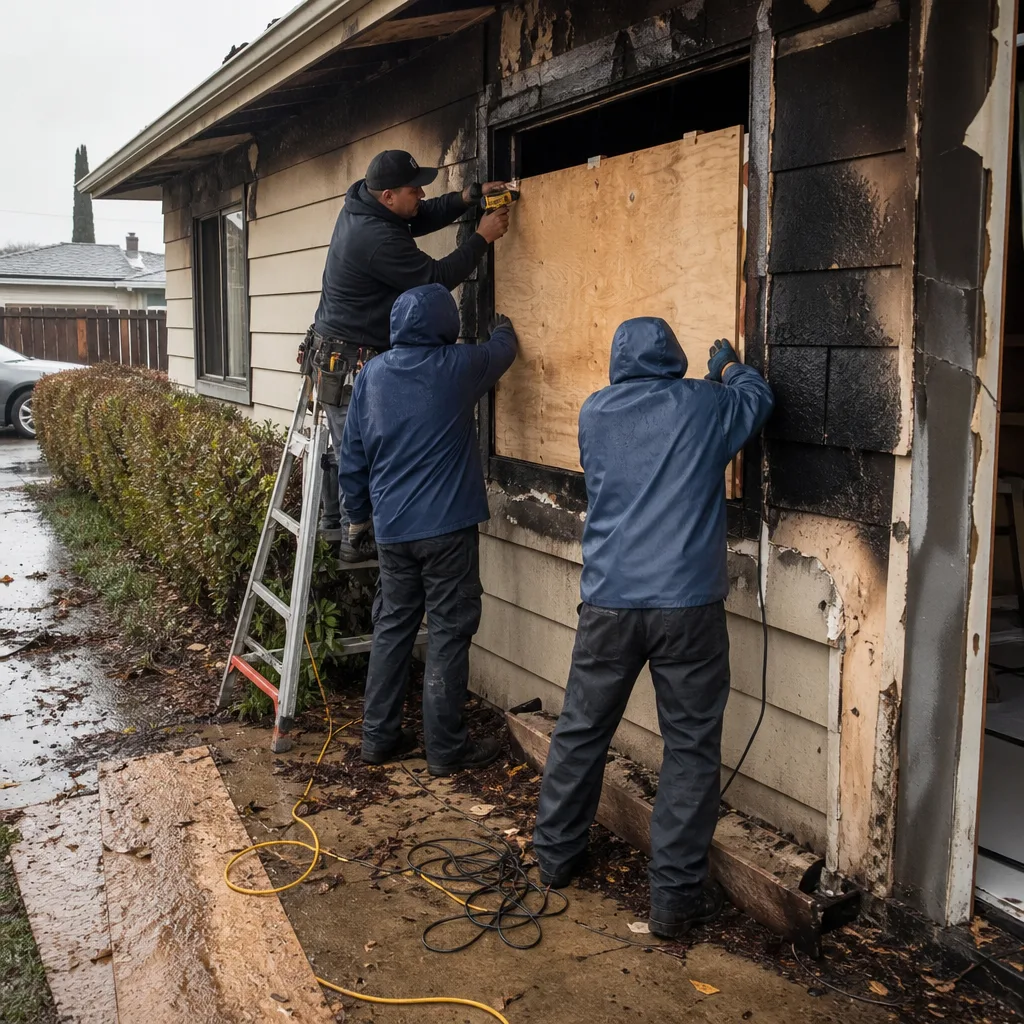
Ceiling & Roof Leak Water Damage
Tile roof failures during Santa Ana wind events send water through compromised underlayment into attic spaces, then through ceiling drywall or plaster below. We trace the migration path - water rarely drips where it enters - and document the full affected area before any repair scope is written. In pre-1960s homes with lath-and-plaster ceilings, repair often requires full replacement rather than patch; we note this in the initial scope so there’s no mid-job revision.
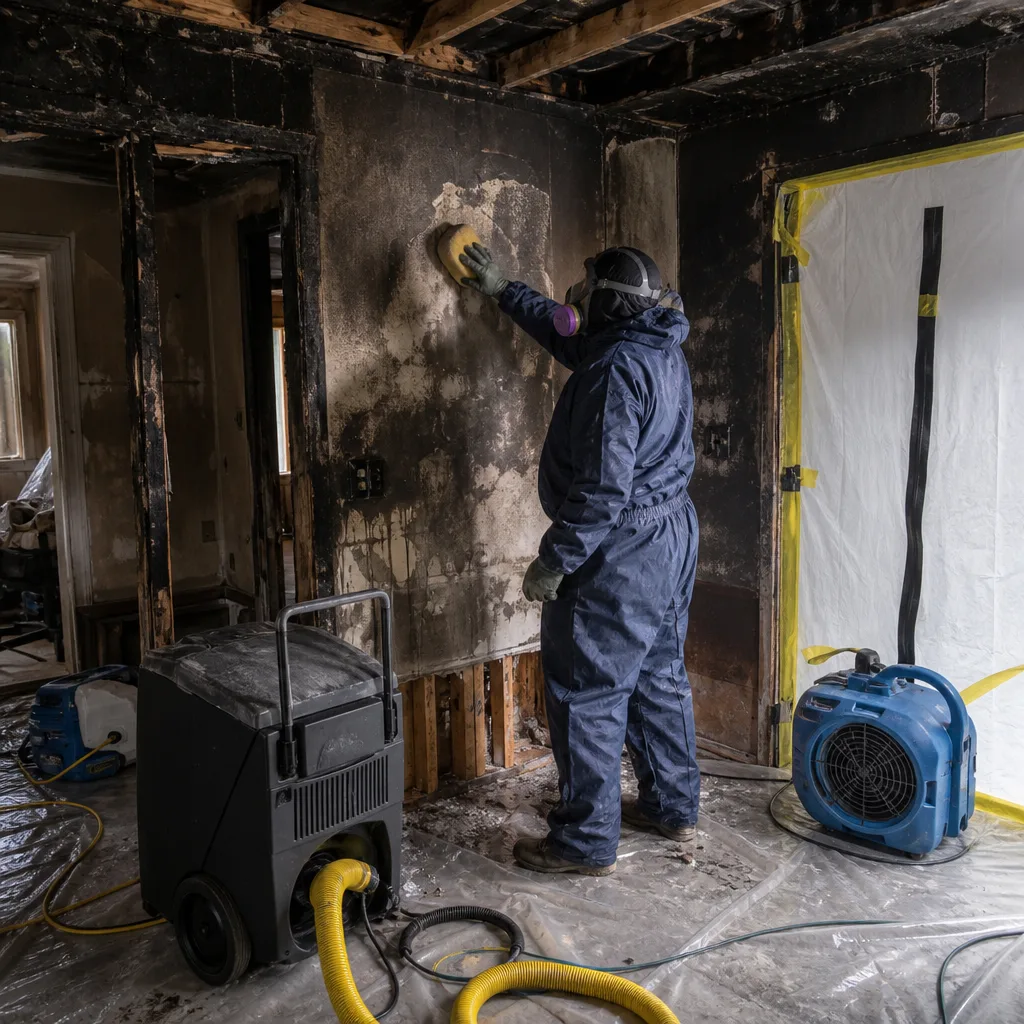
What happens when you call
- 1
A real person answersNo phone trees - you reach a local pro.
- 2
You get an upfront price rangeHonest numbers before anyone is dispatched.
- 3
A background-checked tech heads outLicensed & insured, dispatched right away.
- 4
You approve before work beginsNothing starts until you say go.
BeforeAfterTrusted Equipment & Standards We Deploy in Santa Ana
Our drying systems come from Dri-Eaz, Phoenix, XPOWER, B-Air, and Injectidry - equipment documented to IICRC, RIA, and IFA standards. The Injectidry panel systems are particularly relevant in Santa Ana: they allow targeted drying of plaster-and-lath walls without demolition, preserving historic fabric in Floral Park and similar districts when moisture hasn’t advanced to the lath. We don’t choose equipment by brand preference. We choose by what the moisture readings demand, then document why in your drying log.
Common Water Damage Restoration Problems We See in Santa Ana Homes
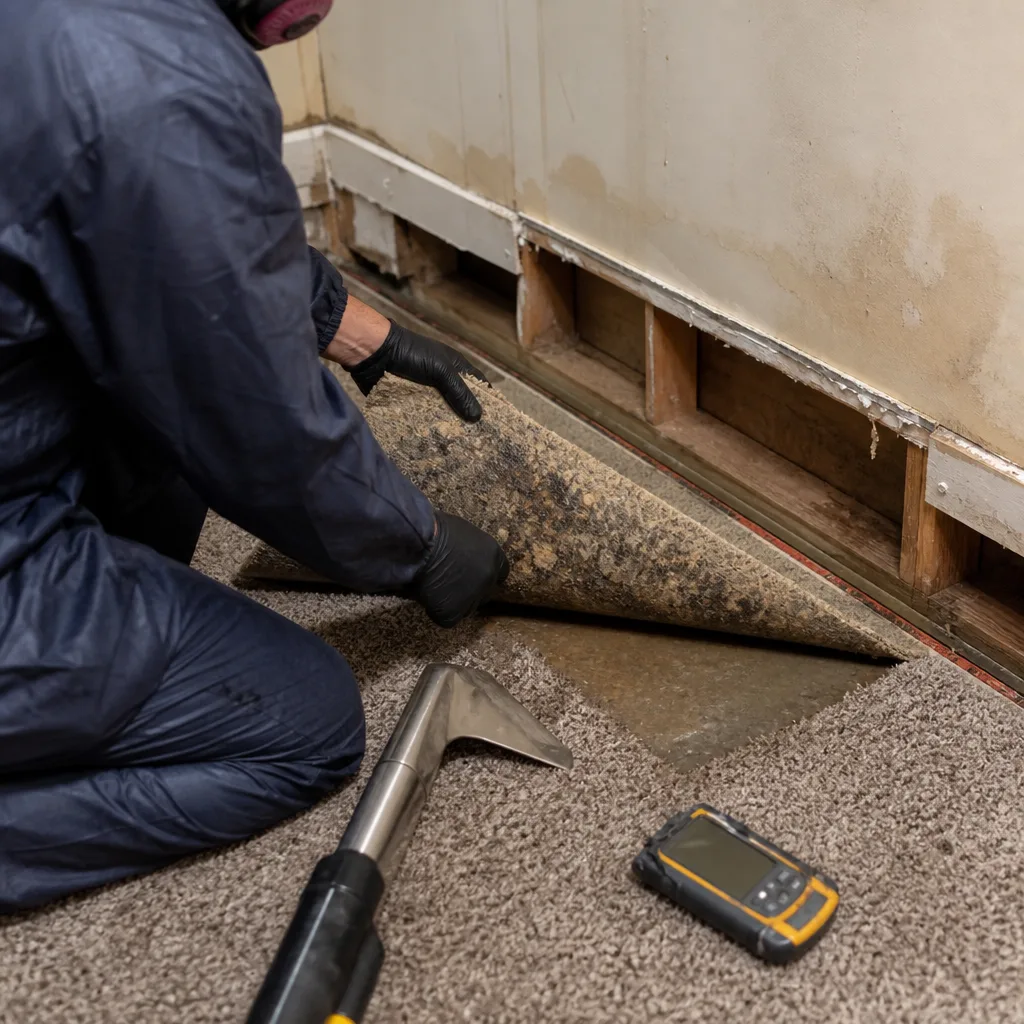
- Multi-unit wicking in courtyard apartments. Shared plaster-and-lath walls in 1950s buildings off North Main Street or West 17th Street routinely carry water into two or three adjoining units before anyone calls. Our moisture mapping covers all affected addresses from the first visit.
- Asbestos and lead-paint testing delays. Pre-1960s homes in Floral Park and west Santa Ana require testing before any water-damaged plaster can be cut out. Failing to account for this in the initial scope stalls work and adds unplanned cost.
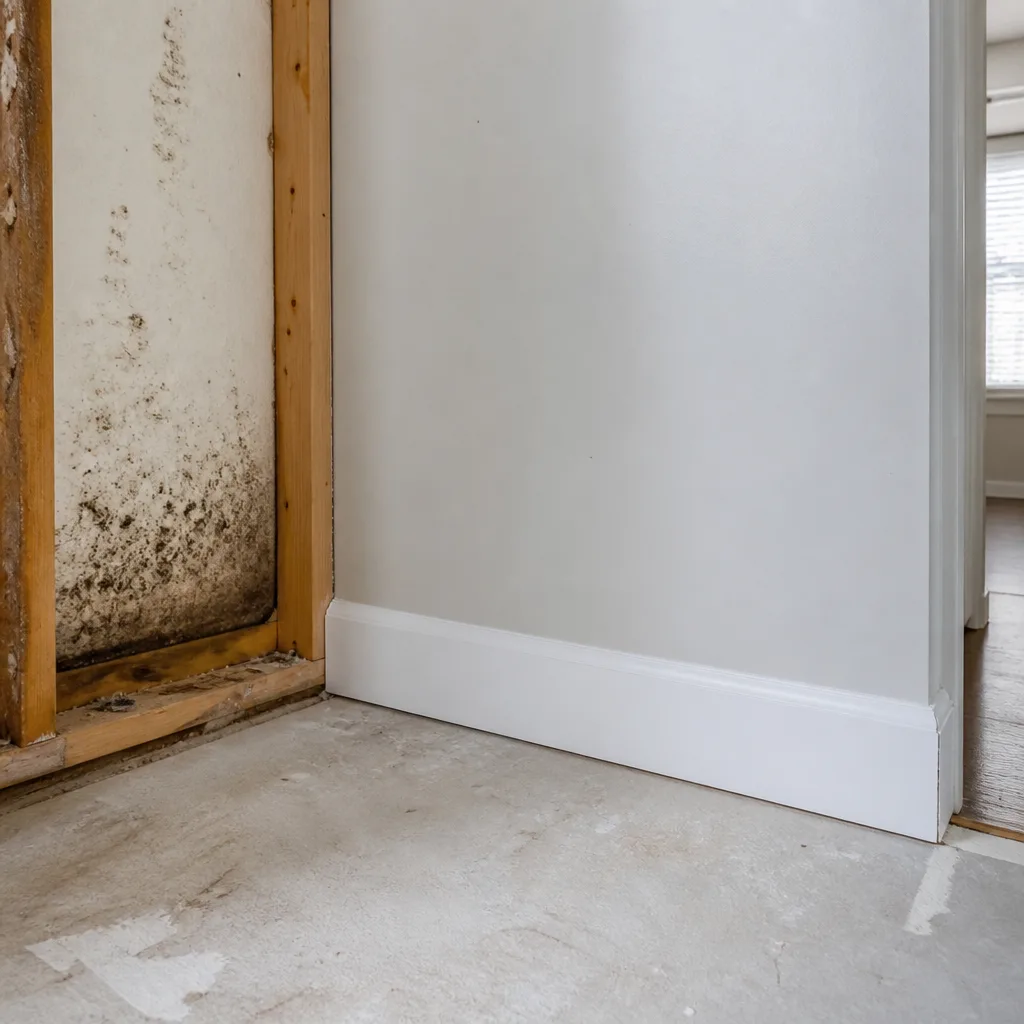
- Hidden cavity mold after El Niño flooding. Santa Ana’s long dry stretches suppress visible mold growth just long enough for owners to assume the problem resolved. We find advanced cavity mold when the next incident opens walls - mold that started months earlier.
- Smoke-driven water damage during fire season. When wildfires ignite in Anaheim Hills or Santiago Canyon, Santa Ana sits in the downwind plume corridor. Sprinkler discharges and hose-line water during fire response create a recurring hybrid damage type: water intrusion plus soot and ash contamination.
Pricing for Water Damage Restoration in Santa Ana, CA
Here’s what Santa Ana homeowners actually pay, based on jobs we’ve written in the last 24 months:
| Service | Typical Range in Santa Ana |
|---|---|
| Emergency water extraction (residential) | $950 - $2,400 |
| Structural drying & dehumidification | $1,200 - $3,400 |
| Flood cleanup (Category 2-3) | $3,200 - $7,500 |
| Burst pipe restoration (single unit) | $2,800 - $5,600 |
| Multi-unit courtyard complex mitigation | $5,500 - $12,000+ |
| Asbestos/lead testing (when required) | $450 - $900 additional |
What moves you within these ranges: affected square footage, material classification (drywall vs. plaster-and-lath), category of water, whether adjacent units are involved, and whether pre-demo testing is required. Every price is written before work begins, Haven Standard, Clause 1. No exceptions. Bring a competitor’s written estimate and we’ll review it free - our Free Second Opinion policy.
We Also Serve Cities Near Santa Ana
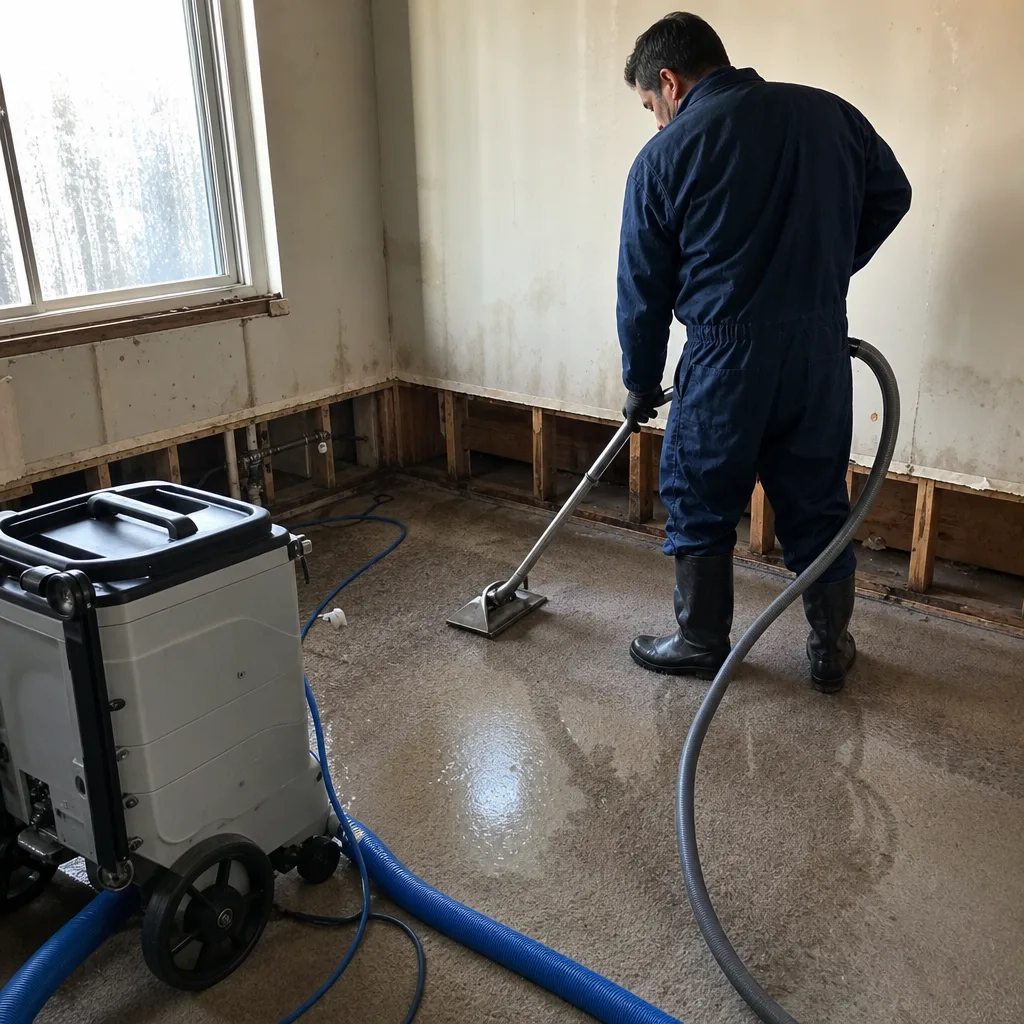
Our crews respond daily to Water Damage Restoration in Santa Ana and the surrounding communities: Tustin, Orange, Garden Grove, and Villa Park. Each city’s building stock and failure patterns differ - Tustin’s newer developments, Villa Park’s estate properties - and we adjust our scopes accordingly.
Serving Santa Ana, CA - Our Local Coverage Area
We’re based in the Santa Ana area and know this community well. Use the map below to see our service coverage - if you’re nearby, we can almost certainly help.
FAQs - Water Damage Restoration in Santa Ana
Shared plaster-and-lath walls in 1950s courtyard buildings wick water laterally faster than modern drywall assemblies, and by the time visible staining appears, moisture has typically reached adjoining units. We write multi-unit moisture mapping scopes as routine procedure for central and west Santa Ana calls. Call (657) 300-9903 and we’ll inspect adjacent units as part of our initial assessment - estimates are free.
Yes. Santa Ana’s large pre-1960 housing stock - Floral Park Craftsman bungalows, post-WWII stucco tracts, central courtyard apartments - triggers asbestos and lead-paint testing requirements before any structural demolition. This adds $450-$900 and 24-48 hours to the timeline, but skipping it exposes homeowners to liability and crews to federal violation. We build this into every Santa Ana scope from day one. Call (657) 300-9903 for a written price that includes testing when applicable.
Mold colonization begins in 48-72 hours on organic materials at moisture content above 16%, which Santa Ana’s plaster-and-lath walls hold readily. The dry season makes this worse because long dry stretches suppress visible mold growth - homeowners assume the problem resolved - while cavity moisture sustains hidden colonization. We find advanced mold when the next incident opens walls, sometimes months later. Our daily drying logs document when materials return to safe moisture content. Call (657) 300-9903 for cavity moisture readings after any Santa Ana water event.
Category 1 is clean water from a supply line - initially safe, but degrades to Category 2 within 48 hours. Category 2 is gray water with contamination risk from dishwasher or washing machine discharge. Category 3 is black water: sewage, street flooding, or any water with pathogenic agents. In Santa Ana, El Niño street-drain overflows and aging sewer infrastructure push most flood calls to Category 2 or 3 by the time we arrive. Category determines antimicrobial protocol, disposal requirements, and insurance coverage - we document classification with photo evidence on every job. Call (657) 300-9903 for classification and scope.
Yes. Santa Ana sits directly in the plume corridor for Anaheim Hills, Orange Park Acres, and Santiago Canyon wildfires, so fire-season water damage calls here routinely involve smoke and ash contamination alongside water intrusion - from sprinkler discharges, hose-line water, or suppression system failures. This hybrid damage requires soot remediation integrated with water mitigation, not treated as separate trades. Flatland neighbors like Garden Grove or Fountain Valley rarely see this pattern. Our crews are equipped and trained for combined smoke-and-water protocols. Call (657) 300-9903 for fire-season damage assessment.
Call (657) 300-9903 now for a free estimate. Written price before work begins, every time. Haven Standard, Clause 1.
Written by Alicia Brennan, Owner at Back to Dry Restoration, serving Santa Ana since 2011.