
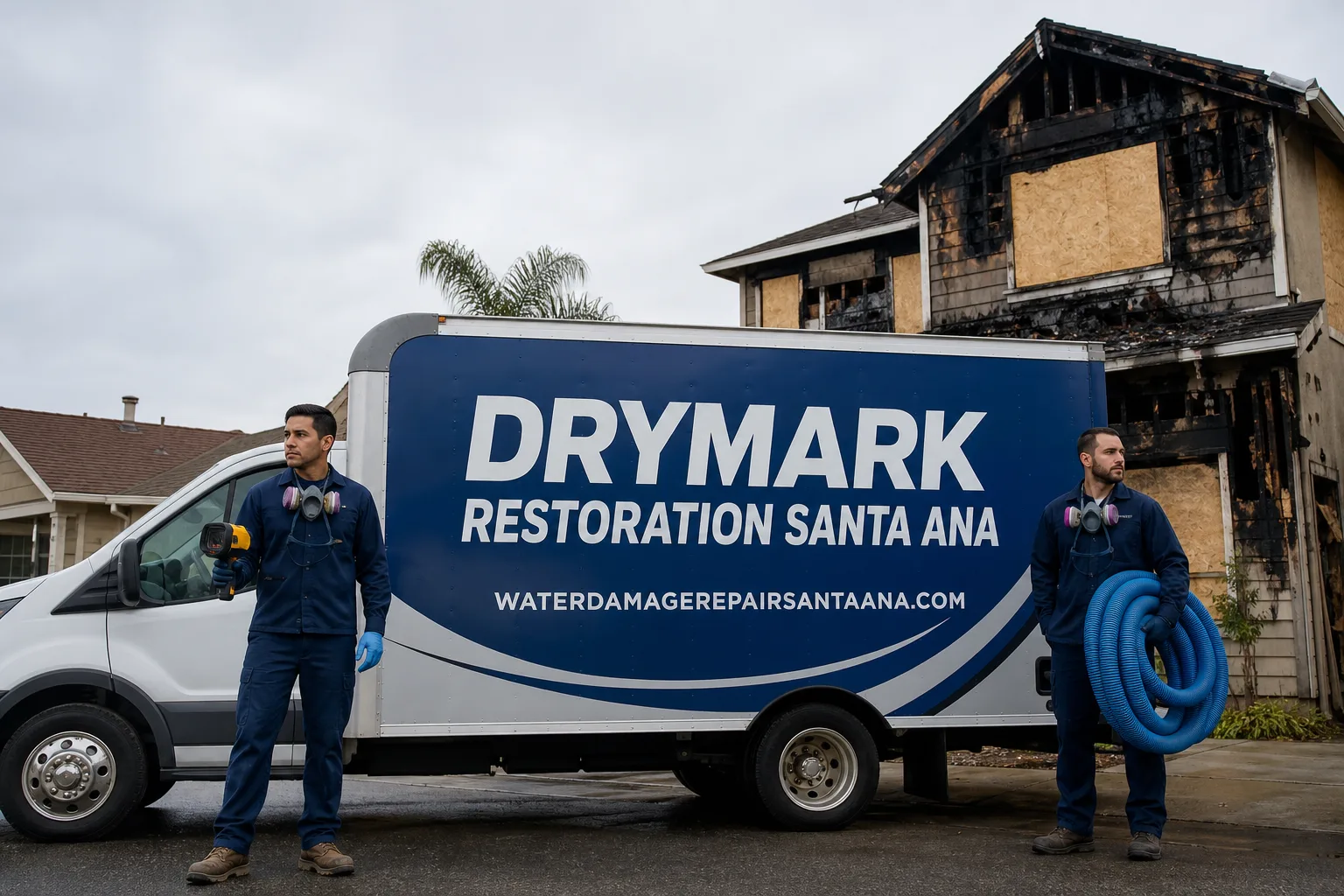
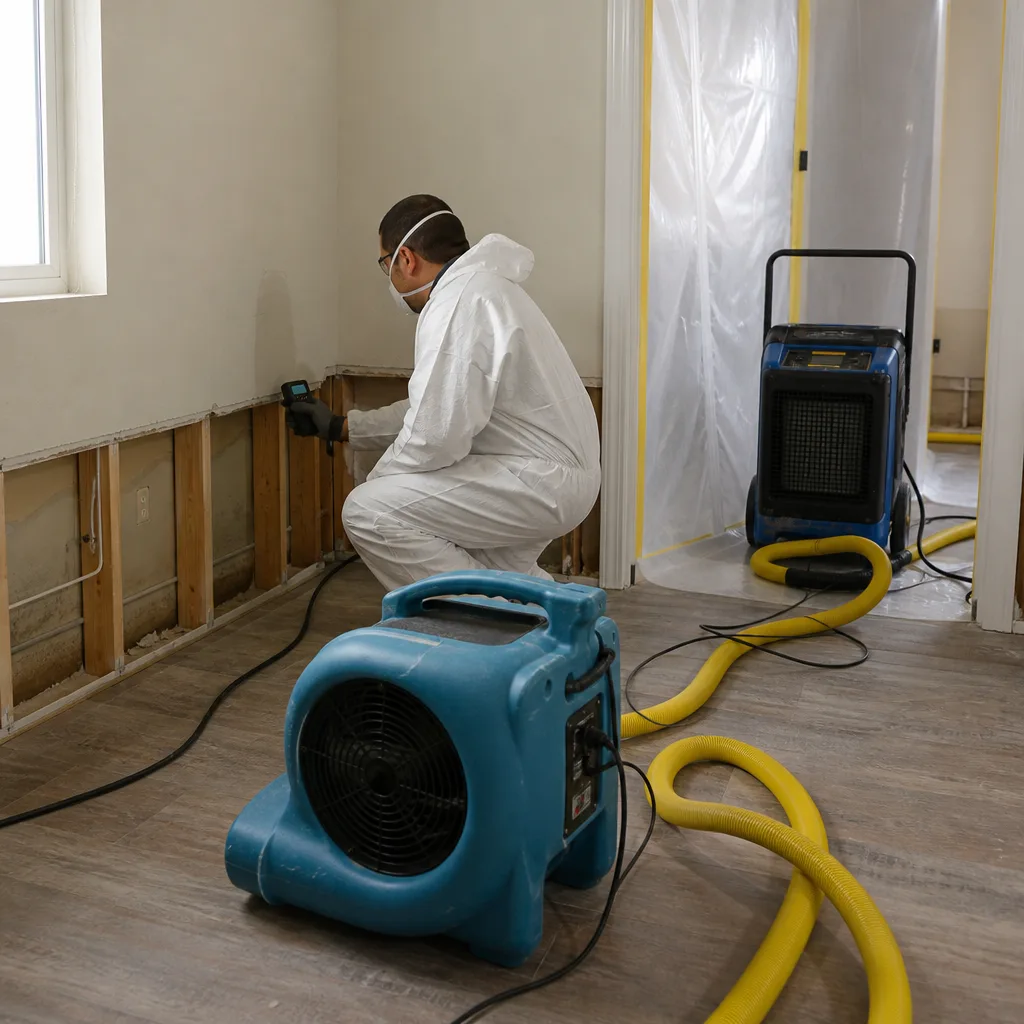
Free visual inspection and a written scope of work before any mitigation begins - photos, moisture readings, and drying logs go in your claim file
The scope we write is the scope we bill. Anything new gets shown to you, in writing, before we touch it.
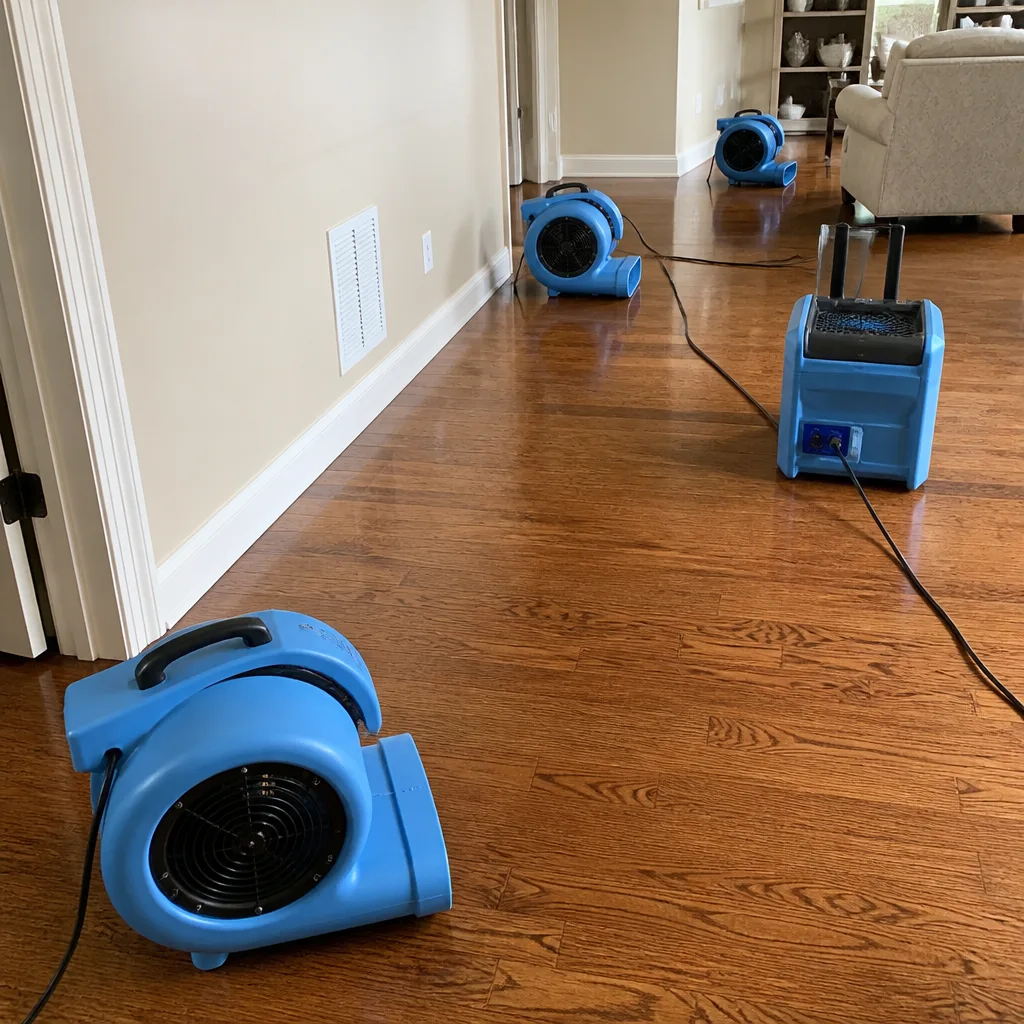
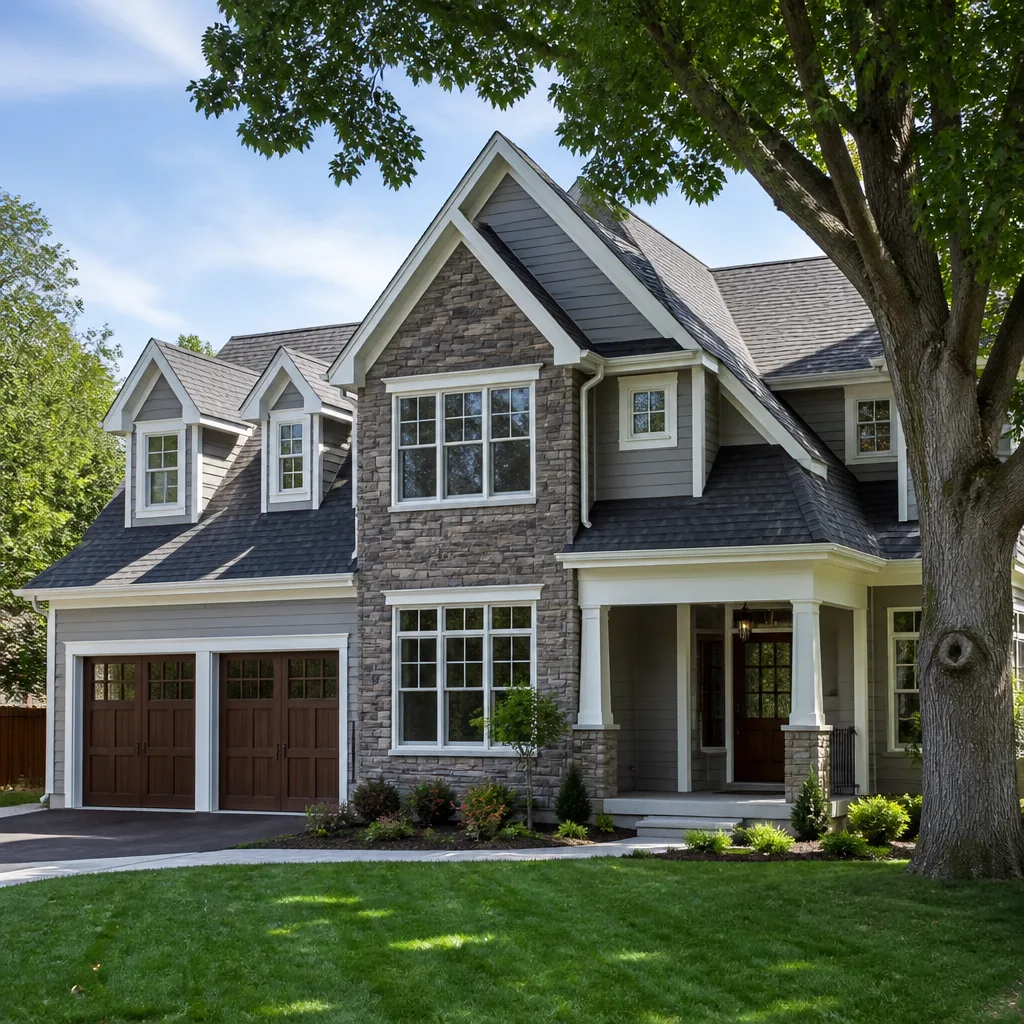
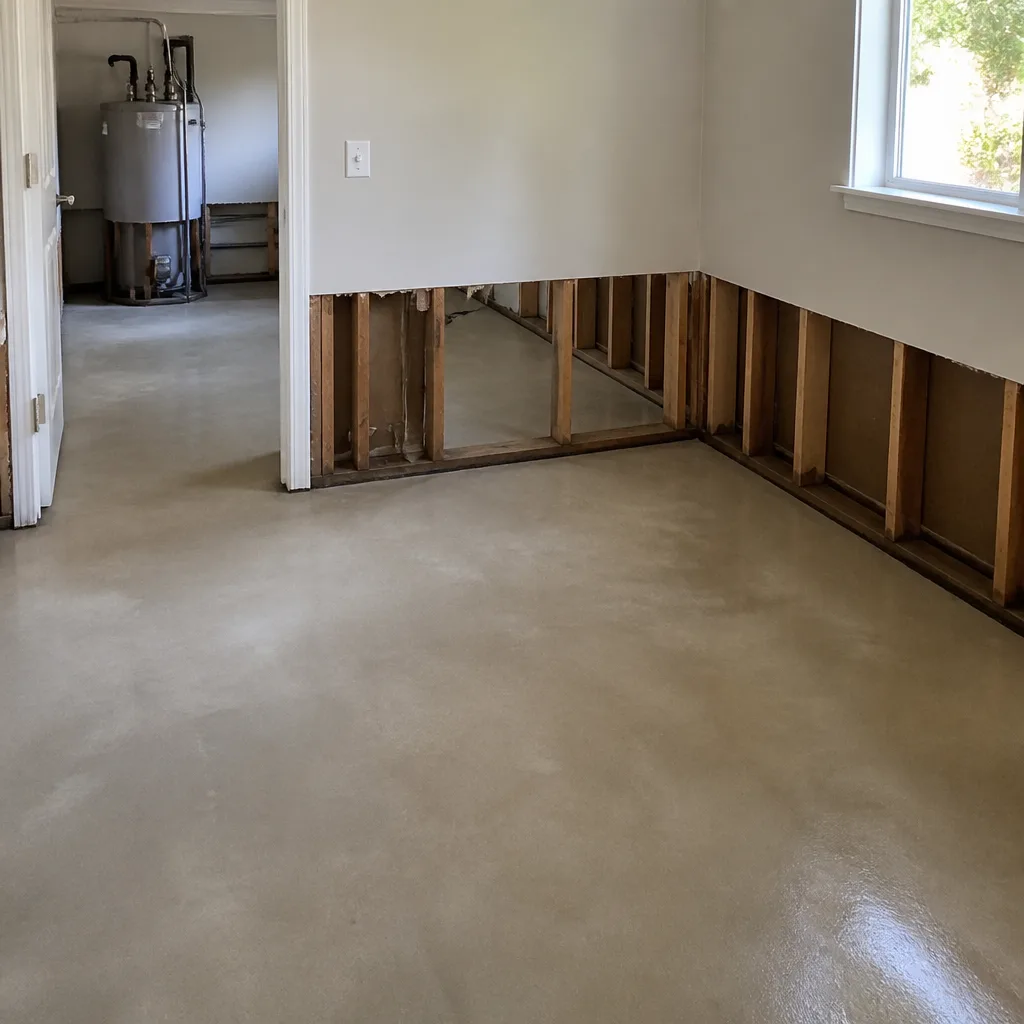
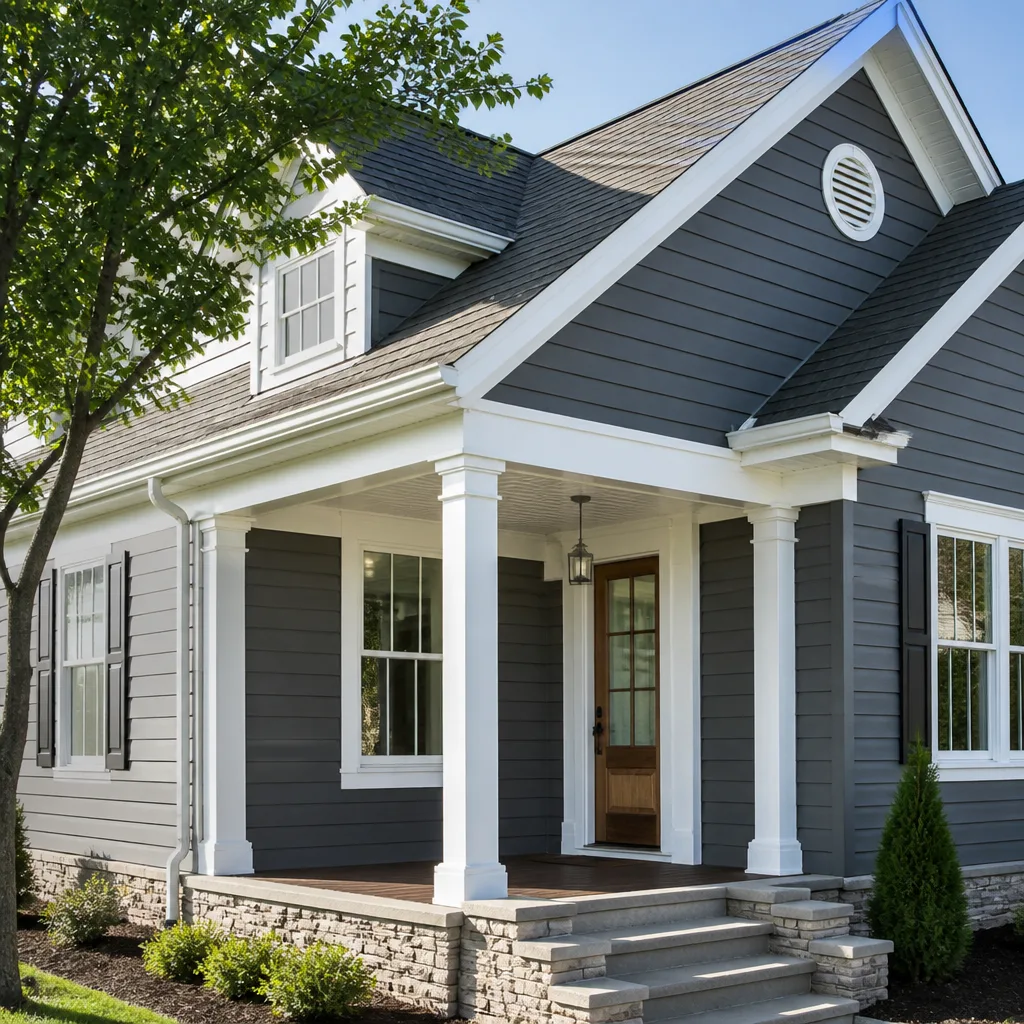
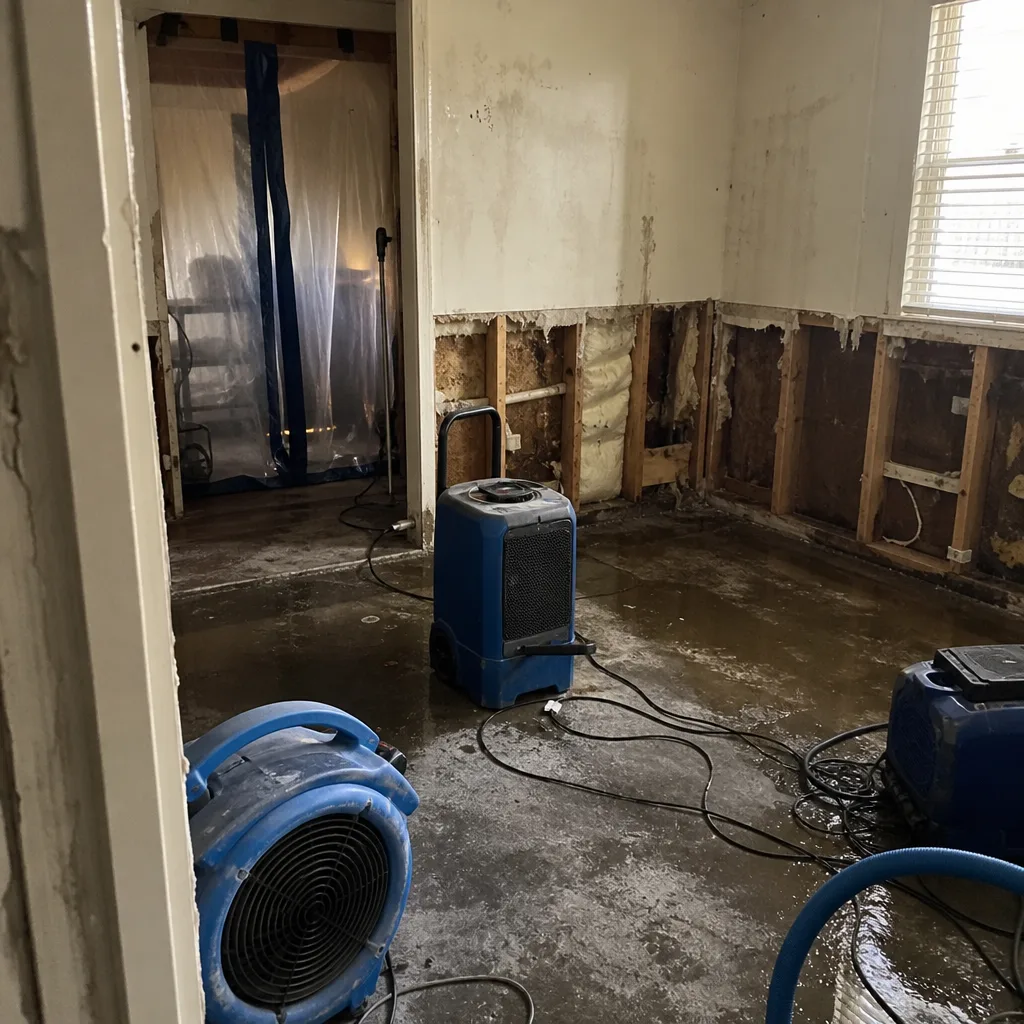 Before
 After
After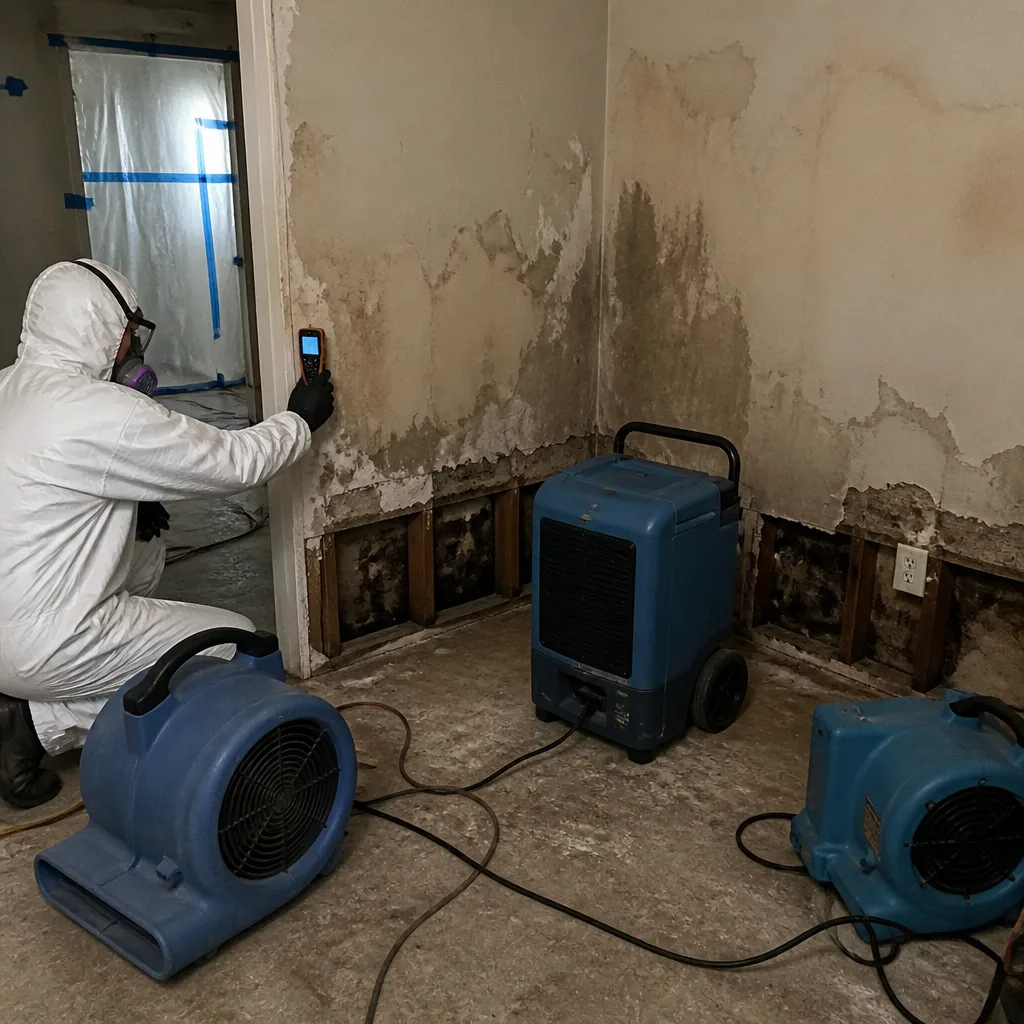 Before
 After
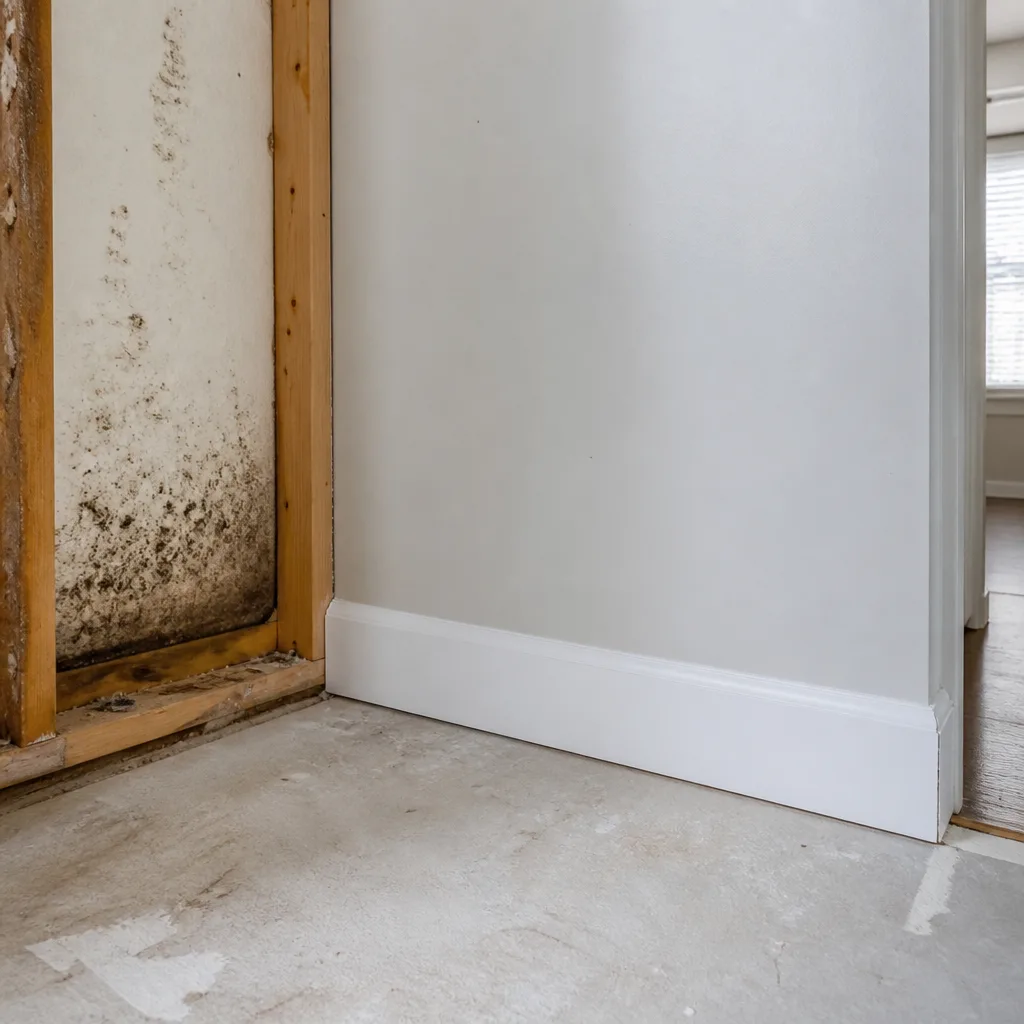
After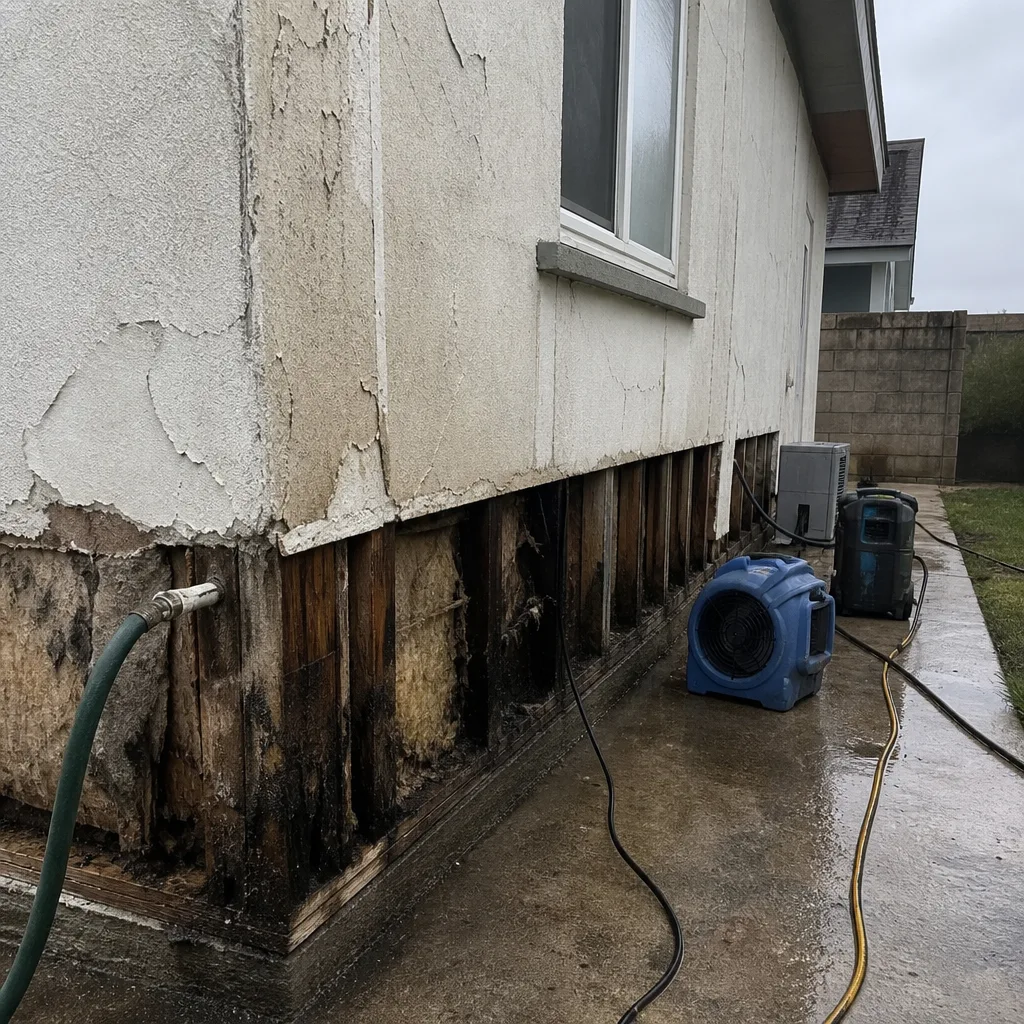 Before
 After
AfterFast, Reliable Water Damage Restoration Across Orange
Water damage restoration in Orange typically runs $2,800-$6,500 for most residential jobs, with emergency extraction starting at $1,200 and full structural drying adding $1,600-$3,800 depending on square footage and material type. We’re usually on-site in Orange within 60-90 minutes of your call, and every job starts with a written price before anyone touches your home - Haven Standard, Clause 1. Call (657) 300-9903; a live person answers 24 hours a day.
Orange’s housing stock splits between two worlds: the 1890s-1930s homes of Old Towne with horsehair plaster, balloon framing, and knob-and-tube wiring, and the post-war stucco tracts on the north and west sides with galvanized supply lines corroding in hard Colorado River water. That split changes everything about how we scope, price, and execute water damage restoration here. Our Water Damage Restoration team has handled both since 2011.
Why DryMark Restoration Santa Ana Is Orange’s Preferred Water Damage Restoration Company
We’ve restored water-damaged homes from The Plaza to Santiago Canyon, and our documentation-first approach was built by a former claims adjuster who saw too many homeowners lose coverage because crews couldn’t produce moisture logs or pre-loss photos. In Orange, that documentation gap is especially costly - Old Towne jobs require Historic Preservation Committee review, and insurers deny claims that lack proper evidence of original condition.
Our response time to Orange averages under 90 minutes. Dispatch and scheduling are coordinated from our Los Angeles office, but crews serve Orange locally and carry the equipment to start extraction immediately.
Every technician is background-checked, uniformed, and licensed - license number provided on request. We document every visit with dated photos, produce daily drying logs to IICRC standards, and deliver a written scope with a fixed price before work begins. No exceptions. Our 365-Day Done Right Promise, backed by The Haven Standard, means if it’s not done right, we make it right - in writing, not as a verbal favor.
We also offer a Free Second Opinion on any competitor’s written estimate. Bring another company’s scope to us; we’ll review it at no charge.
Our Water Damage Restoration Services in Orange
Emergency Water Extraction
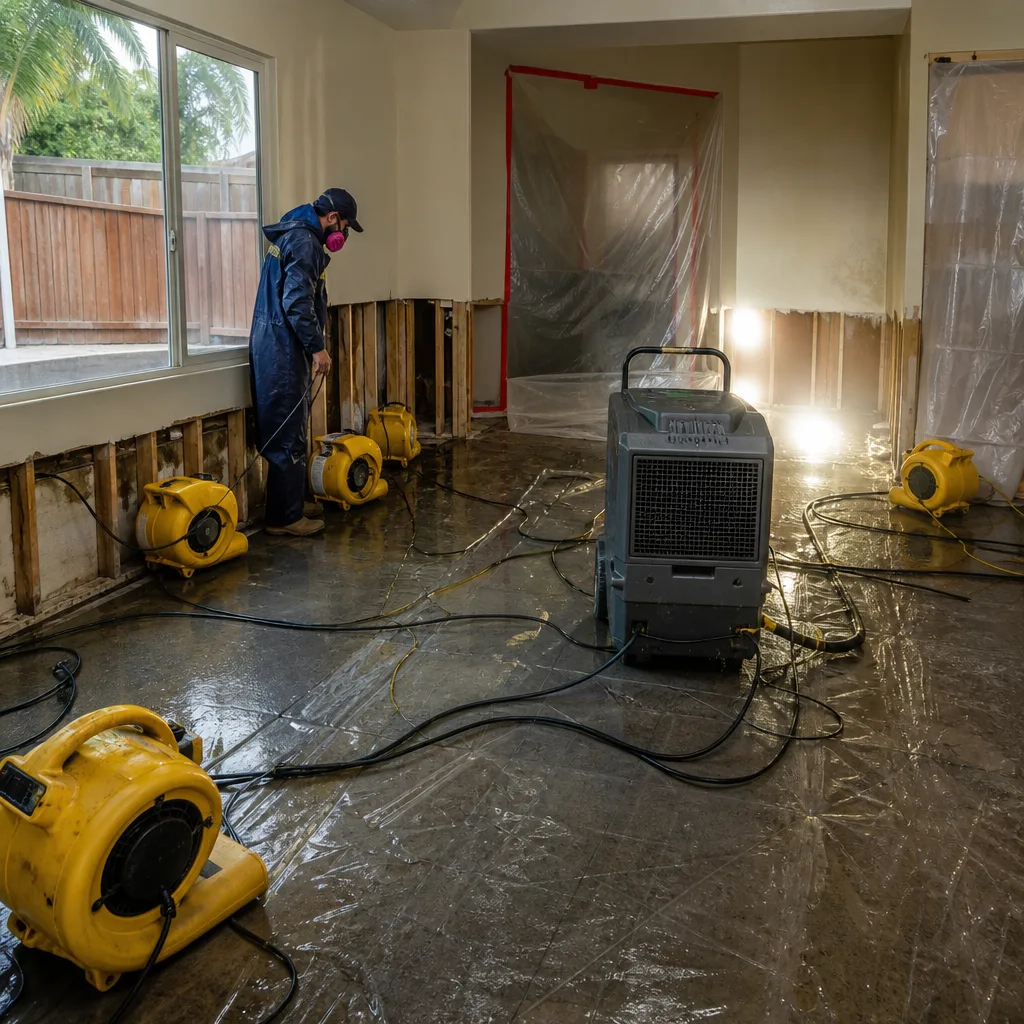
Standing water moves fast in Orange’s balloon-framed homes. Gravity pulls it down wall cavities, and in Old Towne properties, it can travel 10-15 feet from the source before showing visible damage. We deploy truck-mounted extraction systems and portable units from Dri-Eaz and XPOWER to remove water from carpet, hardwood, and tile within hours of your call. In post-war stucco tracts near Garden Grove border, we see more slab-on-grade flooding from failed water heaters and corroded galvanized mains - extraction there focuses on preventing wicking into drywall bottom plates.
Structural Drying & Dehumidification
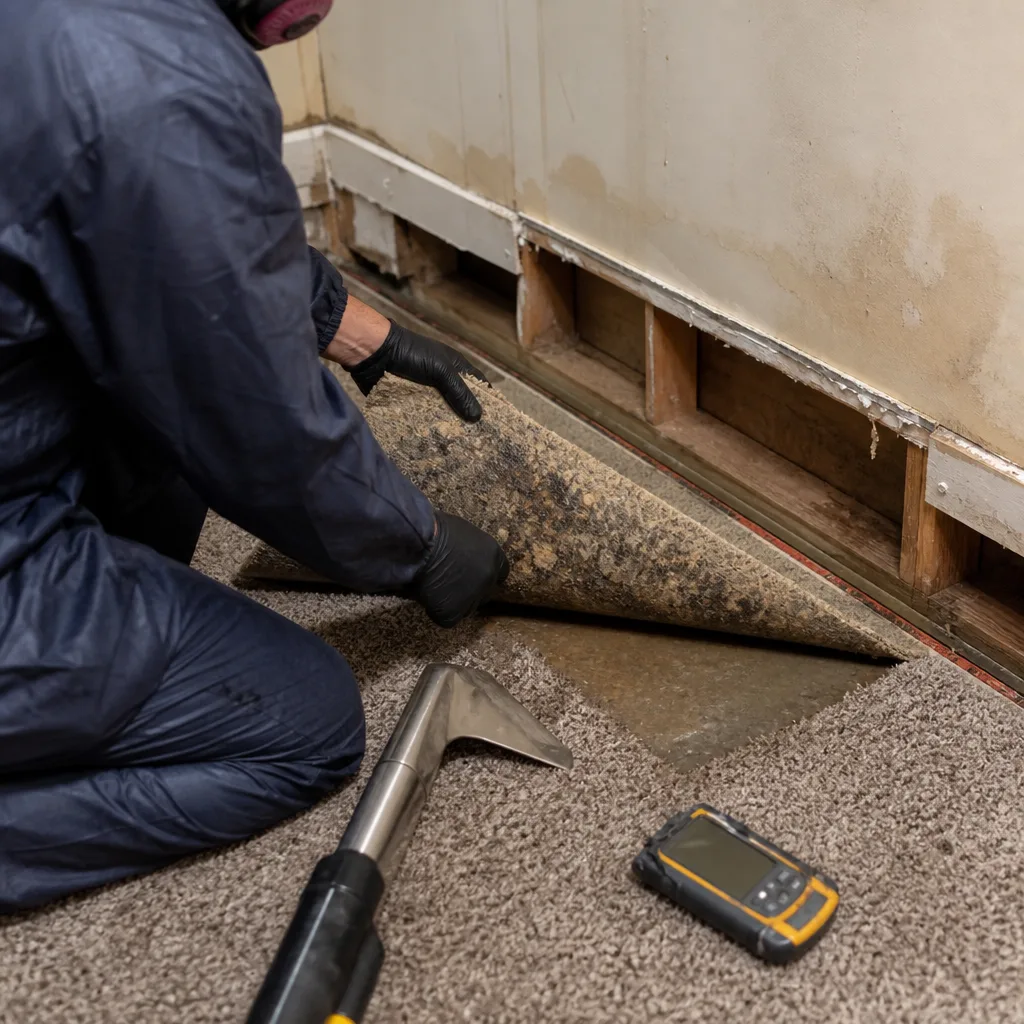
This is where Orange’s older housing stock demands a different playbook. Standard protocol says remove wet plaster and lath, install new drywall. In Old Towne Orange, that triggers Historic Preservation Committee review and potential stop-work orders. Our crews instead use Injectidry panel systems and Phoenix LGR dehumidifiers to dry horsehair plaster in place, documenting pre-loss condition with high-resolution photos and thermal imaging. We track vapor pressure differential - the force that drives moisture from wet materials into dry air - and produce daily psychrometric data: temperature, relative humidity, and specific humidity readings for every affected room. This documentation becomes your insurance claim’s backbone. Three to five days of controlled drying typically restores plaster to below 16% moisture content, the threshold for safe repair.
Flood Cleanup
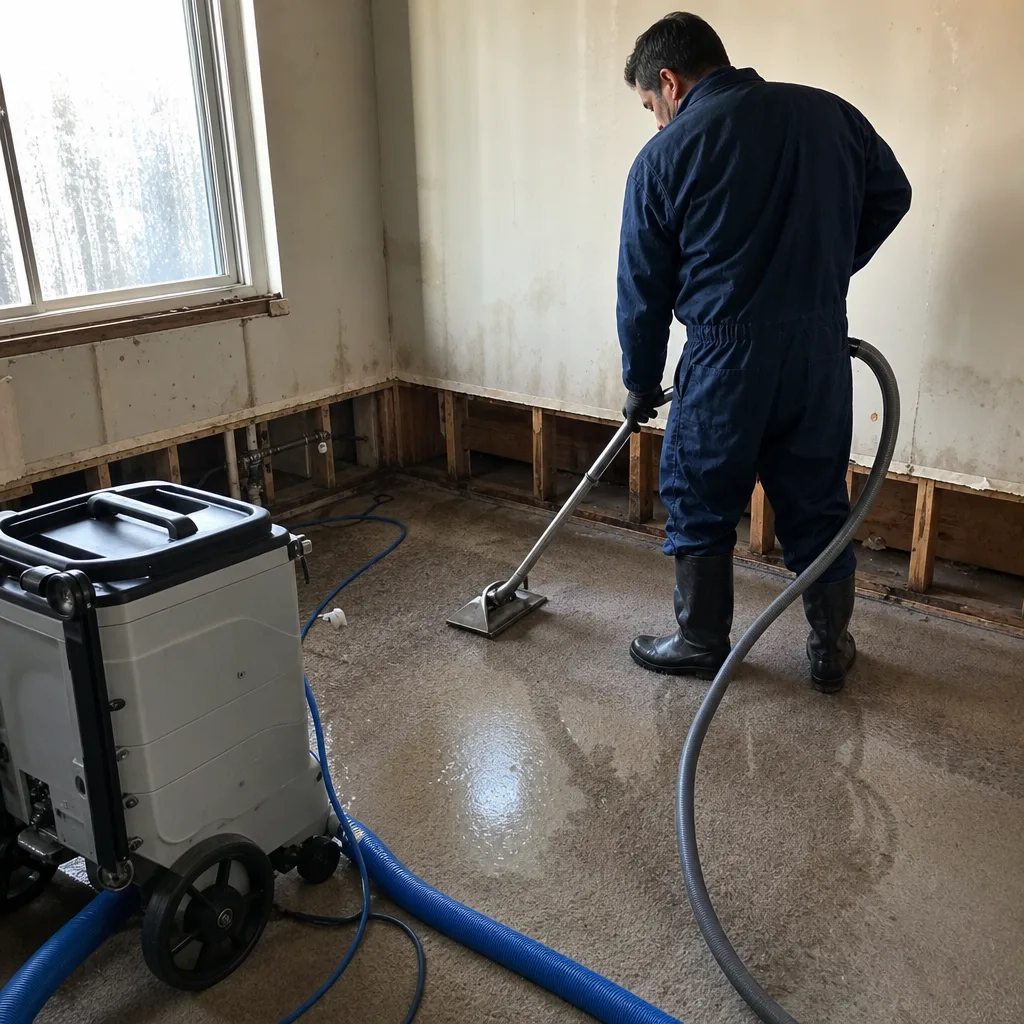
Orange sits at the mouth of Santiago Canyon, and when winter storms back up against the Santa Ana Mountains, runoff can overwhelm drainage in the eastern neighborhoods near Irvine Regional Park. Flood cleanup here often involves Category 3 water - groundwater, silt, and possible sewage cross-contamination - requiring full PPE, antimicrobial treatment, and disposal of porous materials per IICRC S500 standards. We document contamination levels with photo evidence, sample testing where indicated, and written disposal scopes that protect your coverage.
Burst Pipe Restoration
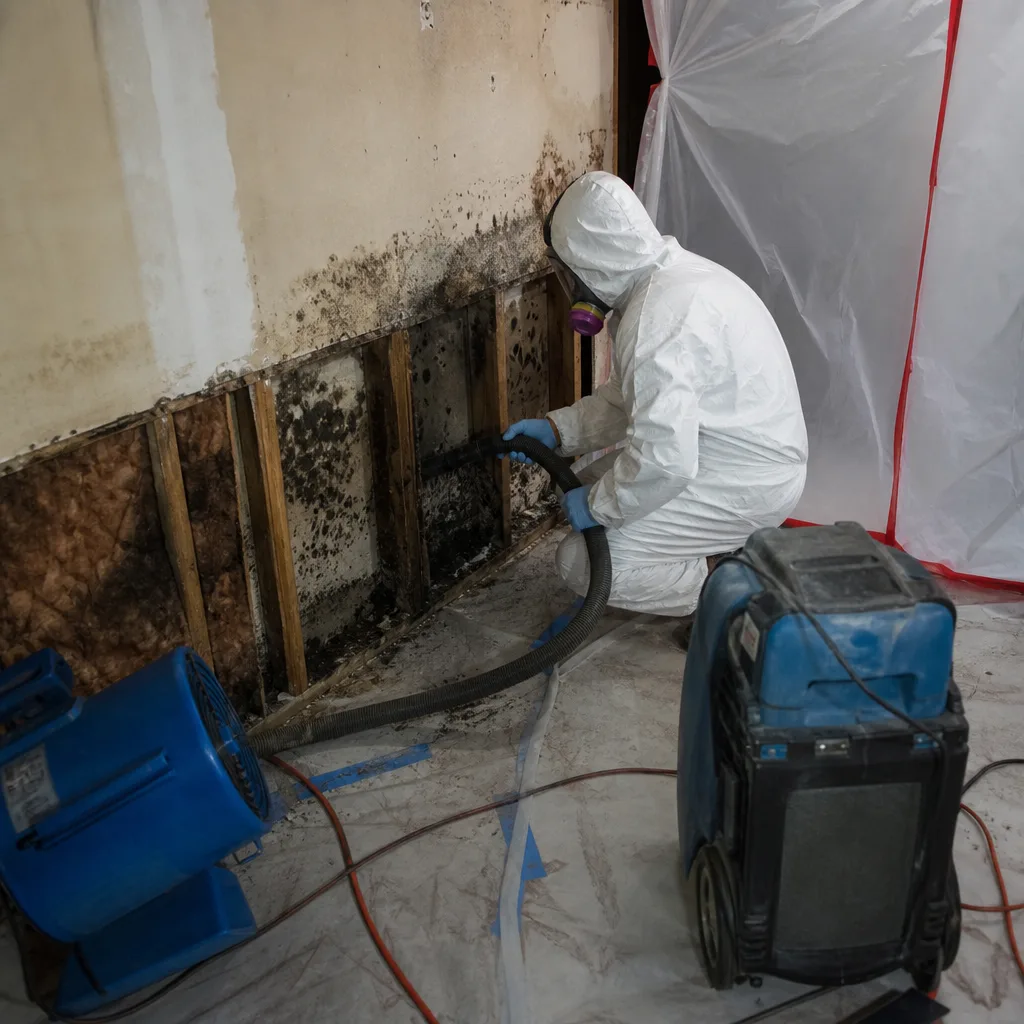
Galvanized steel supply lines in Orange’s 1950s-70s stucco tracts corrode from the inside, producing pinhole leaks that spray inside walls for days before detection. We’ve traced water damage from a kitchen leak in a north Orange ranch home clear through to the master bedroom - 20 feet of saturated insulation and compromised drywall. Our burst pipe restoration includes locating the failure, documenting the corrosion pattern for your adjuster, extracting, drying, and delivering a written repair scope. We coordinate directly with licensed plumbers and can provide photo documentation for your insurance file.
Basement Water Removal
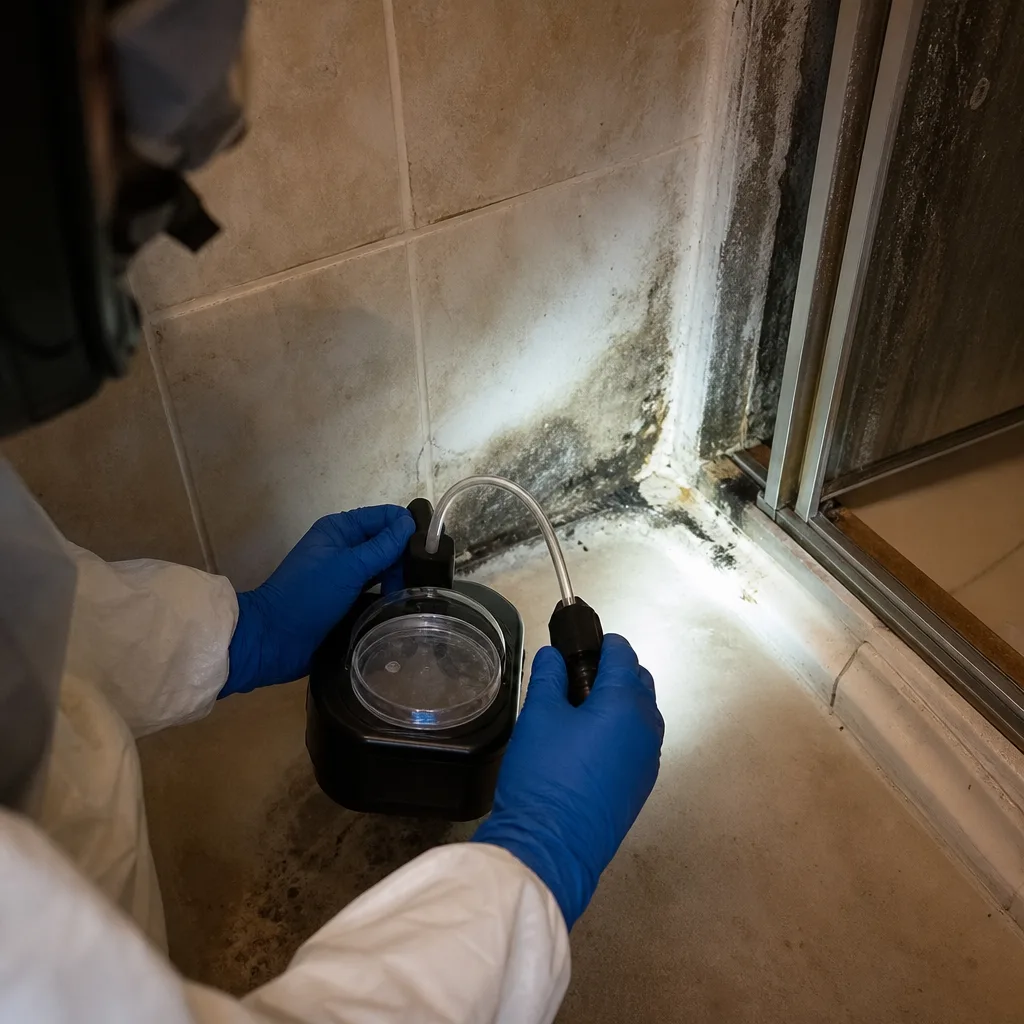
True basements are rare in Orange, but partial daylight basements and converted crawl spaces in Old Towne hillside homes present unique challenges. Low clearance, dirt floors, and balloon framing create microclimates where moisture lingers. We use B-Air axial fans and specialized low-profile dehumidifiers to reach these spaces, with moisture readings taken at multiple elevations to confirm complete drying.
Ceiling & Roof Leak Water Damage
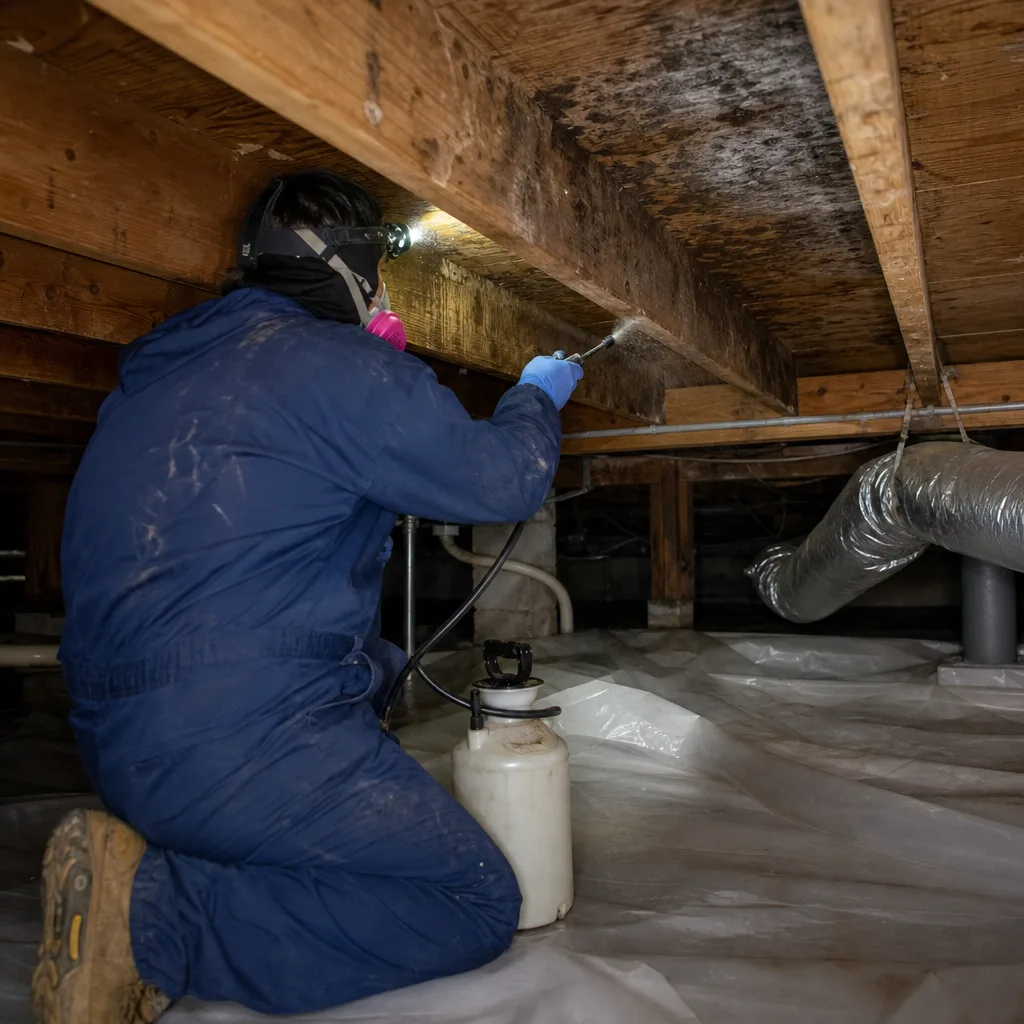
Santa Ana wind events tear roofing material and drive rain through compromised flashing, especially on older homes with original clay tile or wood shake roofs. In Orange, we see ceiling damage concentrated in east-facing rooms during fall windstorms. Our process: contain the active leak, extract standing water from ceiling cavities using Injectidry tubing, dry the space with directed airflow, and document insulation condition for replacement scope. We never open a ceiling for repair without a written price agreed in advance.
What happens when you call
- 1
A real person answersNo phone trees - you reach a local pro.
- 2
You get an upfront price rangeHonest numbers before anyone is dispatched.
- 3
A background-checked tech heads outLicensed & insured, dispatched right away.
- 4
You approve before work beginsNothing starts until you say go.
BeforeAfterTrusted Brands We Service in Orange
Our equipment fleet includes professional-grade drying systems from Dri-Eaz, Phoenix, and B-Air, with Injectidry panel and tubing systems for in-place drying of historic plaster. We stock common replacement components locally for faster turnaround on Orange jobs, and all work is documented to IICRC, RIA, and IFA standards. This isn’t marketing language - it’s the documentation standard that turns restoration invoices into payable claims.
Common Water Damage Restoration Problems We See in Orange Homes
- Historic plaster damage without documentation. In Old Towne near The Plaza, water-damaged horsehair plaster over wood lath cannot simply be ripped out and replaced with drywall. The Historic Preservation Committee may reject standard patch-outs that alter original texture and profile, so technicians must assess whether the plaster layer can be dried in place and stabilized - a determination that adds days to scope approval and requires documentation most regional restoration crews aren’t set up to produce.
- Balloon framing with concealed knob-and-tube wiring. Orange’s pre-WWII homes use continuous wall cavities without fire stops, allowing water to travel vertically and horizontally inside walls. Moisture mapping must account for this gravity-driven movement, and structural drying must avoid wetting concealed wiring chases that present both fire hazard and insurance liability.
- Corroded galvanized lines in post-war tracts. North and west Orange neighborhoods built in the 1950s-70s rely on galvanized steel supply lines now reaching end of service life. Internal corrosion produces rust-colored water, reduced flow, and ultimately pinhole leaks that introduce Category 2 or 3 contamination into wall cavities - not the clean Category 1 water many homeowners assume.
- Santa Ana wind-driven roof leaks. Orange’s position at the mouth of Santiago Canyon makes it a direct recipient of Santa Ana wind events that damage roofing and drive water into attic and ceiling assemblies. The eastern fringe bordering Irvine Regional Park faces additional wildfire-ember risk, making prompt water damage mitigation critical to preventing secondary mold and smoke-compound interaction.
Pricing for Water Damage Restoration in Orange, CA
Here’s what water damage restoration costs in Orange’s market:
| Service | Typical Range in Orange |
|---|---|
| Emergency water extraction (up to 1,000 sq ft) | $1,200-$2,400 |
| Structural drying & dehumidification (3-5 days) | $1,600-$3,800 |
| Old Towne historic plaster drying (in-place, with documentation) | $2,800-$5,200 |
| Burst pipe restoration (including extraction and drying) | $3,200-$6,500 |
| Flood cleanup (Category 3, with disposal) | $4,500-$9,000 |
| Ceiling leak damage (extraction, drying, repair scope) | $2,200-$4,800 |
Factors that move Orange jobs higher: historic preservation documentation requirements, balloon-framed wall cavity extent, Category 2/3 contamination requiring antimicrobial treatment, and secondary mold growth when water sat longer than 24 hours. Every estimate is free, every price is written before work starts, and our Free Second Opinion policy applies to any competitor’s written quote. Call (657) 300-9903.
We Also Serve Cities Near Orange
Our crews respond daily across Orange and neighboring communities including Santa Ana, Villa Park, Tustin, and Garden Grove. Each city’s housing stock and local requirements shape how we scope and document jobs - what works in a Santa Ana mid-century tract differs from a Villa Park hillside custom home.
Serving Orange, CA - Our Local Coverage Area
We’re based in the Orange area and know this community well. Use the map below to see our service coverage - if you’re nearby, we can almost certainly help.
FAQs - Water Damage Restoration in Orange
Yes. Any work affecting original materials in Old Towne Orange’s National Register historic district requires Historic Preservation Committee review and sign-off under the California Historic Building Code. We document pre-loss condition with dated photos and thermal imaging, submit a scope of work for HPLC approval, and only proceed after written authorization - protecting you from stop-work orders and coverage disputes. Call (657) 300-9903 and we’ll walk through the documentation timeline for your specific property.
Orange’s historic housing stock adds documentation and approval steps that don’t exist in Anaheim or Santa Ana. Old Towne jobs require pre-loss photo documentation, moisture mapping that accounts for balloon framing, and Historic Preservation Committee review before wall closure - typically 3-7 additional business days. Post-war tract homes move faster but still require corrosion assessment of galvanized lines that newer PEX-plumbed cities don’t face. We build these timelines into your written scope so there are no surprises.
Yes, and in Old Towne Orange it’s often the only viable path. Our crew uses Injectidry panel systems and Phoenix dehumidifiers to establish controlled vapor pressure differential, drawing moisture from the plaster without demolition. In a 1918 Craftsman near The Plaza, we dried water-damaged horsehair plaster over wood lath after a pinhole galvanized leak - moisture mapping found water 14 feet beyond the visible stain, and three days of drying logs brought the plaster below 16% moisture content. We then submitted pre-loss photos and scope to the Historic Preservation Committee for repair approval. Success depends on early intervention; plaster that has delaminated or developed active mold may require partial removal regardless.
Category 1 is clean water from a broken supply line - initially safe, but degrades to Category 2 within 24-48 hours. Category 2 is gray water with chemical or biological contamination, common in Orange when corroded galvanized supply lines introduce rust and sediment. Category 3 is black water: sewage, groundwater flooding, or storm backflow. In Orange’s post-war stucco tracts, we see Category 2 and 3 more often than homeowners expect because aging galvanized lines contaminate what looks like a clean supply leak. We test and document water category on every job; your adjuster needs this classification to approve scope. Call (657) 300-9903 for category assessment.
Santa Ana winds drive rain through compromised roofing and overwhelm attic ventilation systems, concentrating water damage in east and south-facing rooms. In fall wind events, we see multiple simultaneous ceiling leaks across Orange’s older neighborhoods with original clay tile or wood shake roofs. The same winds increase wildfire-ember risk on the eastern fringe near Irvine Regional Park, meaning water damage crews must sometimes coordinate with Fire & Smoke Damage Restoration in Orange for properties affected by both. We monitor wind forecasts and stage additional crews during Santa Ana events to maintain our 60-90 minute Orange response time. Call (657) 300-9903 before the next wind event to discuss roof vulnerability assessment.
Written by Alicia Brennan, Owner at Back to Dry Restoration, serving Orange and surrounding communities since 2011.